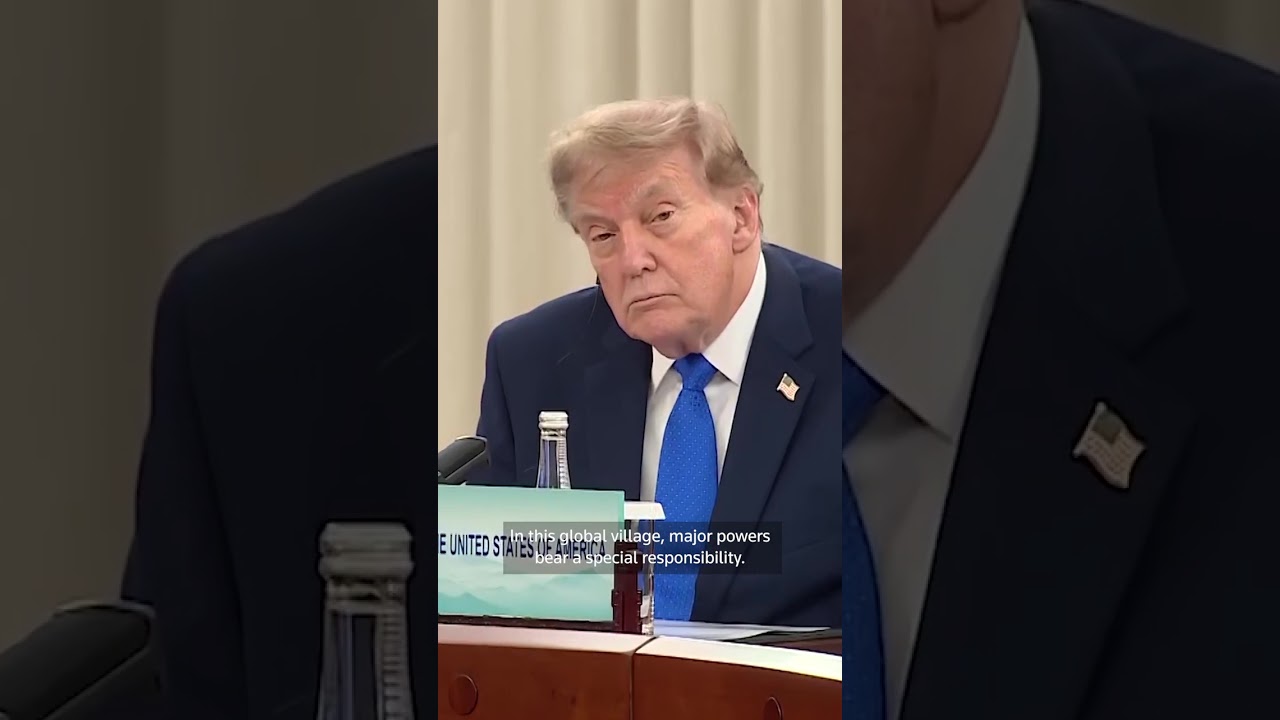
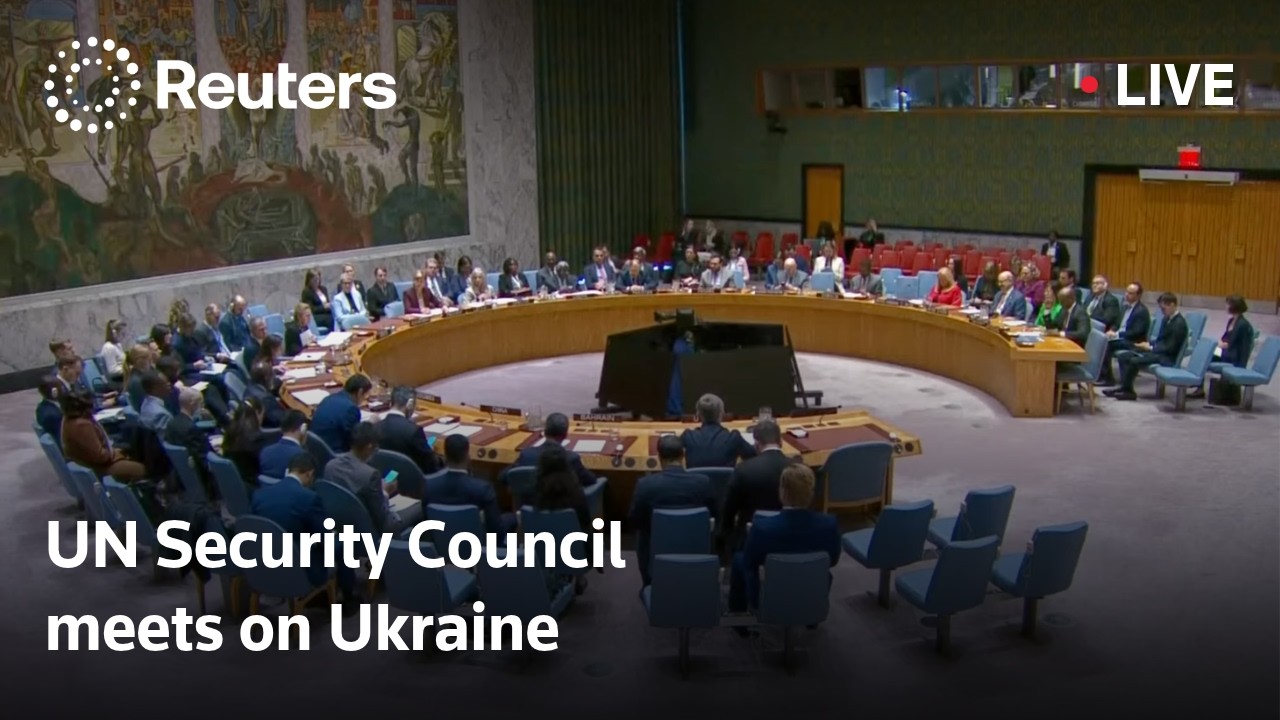
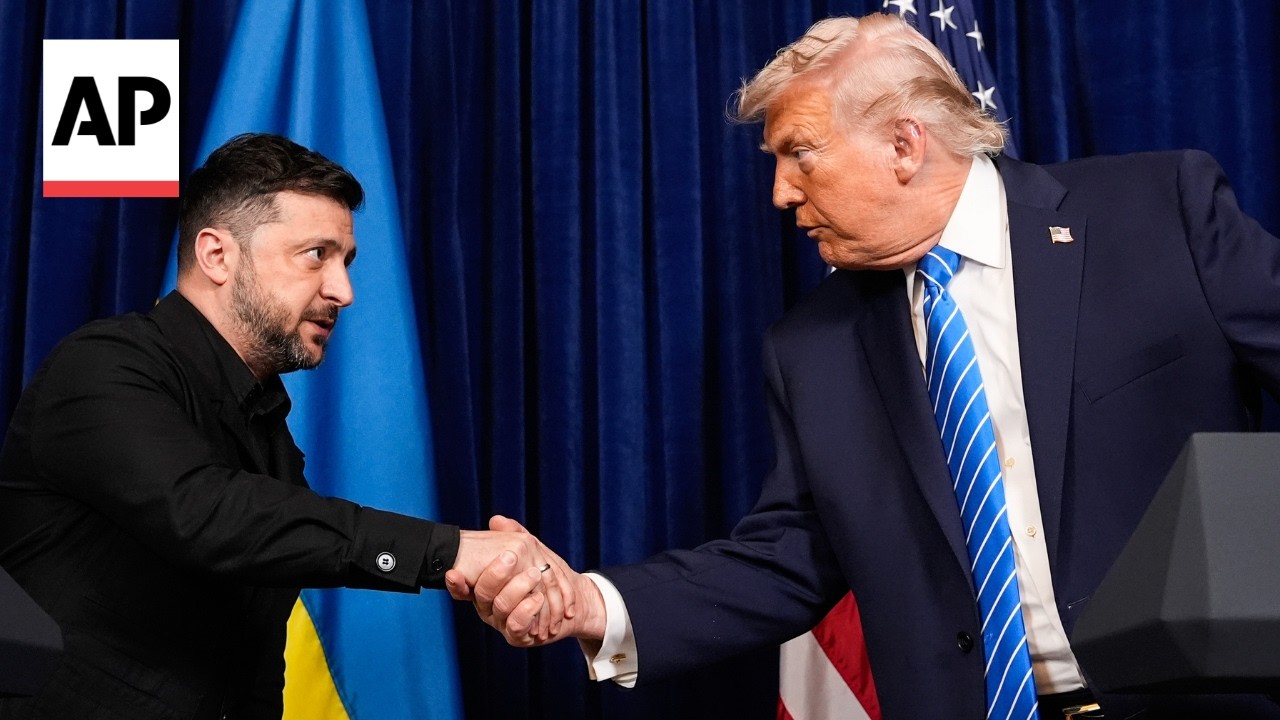
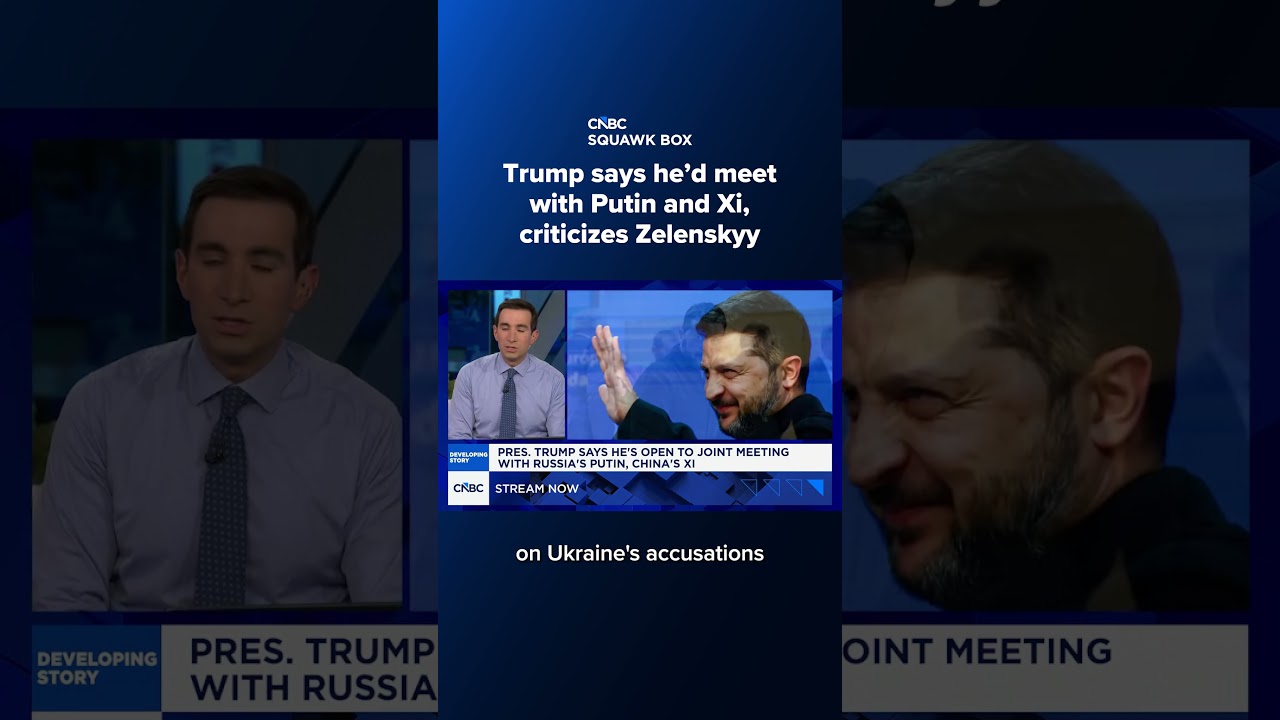
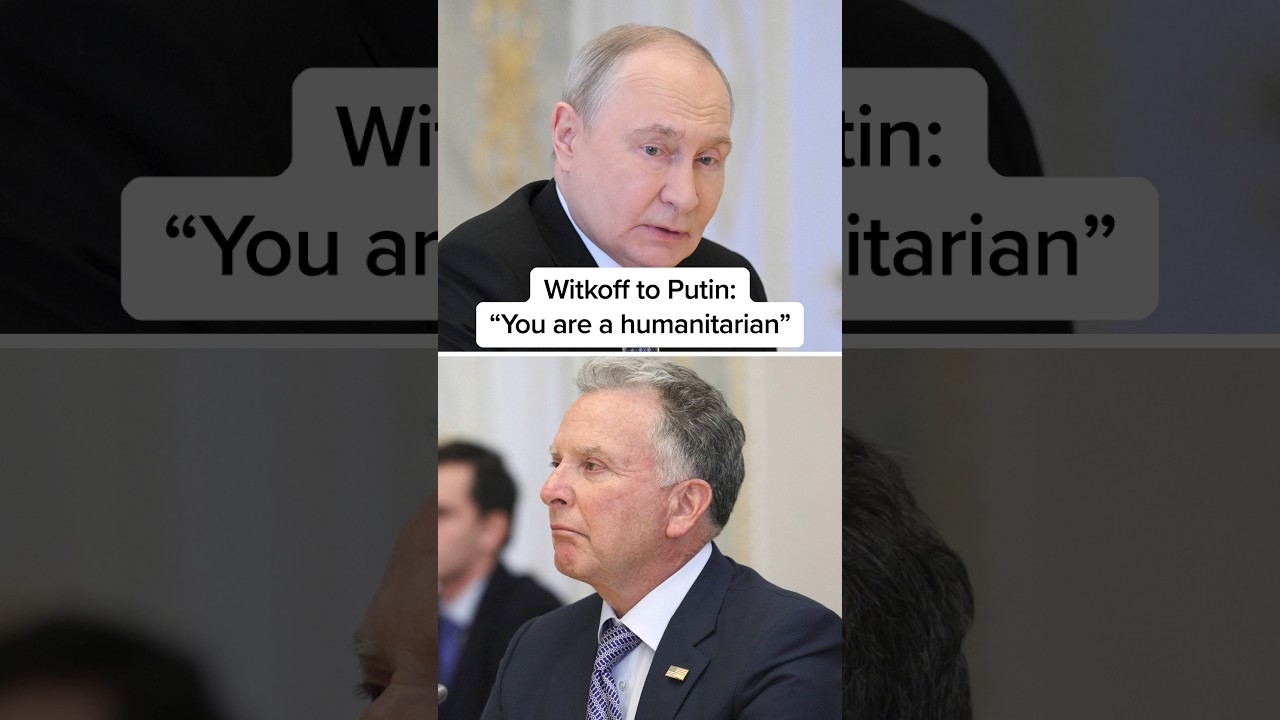
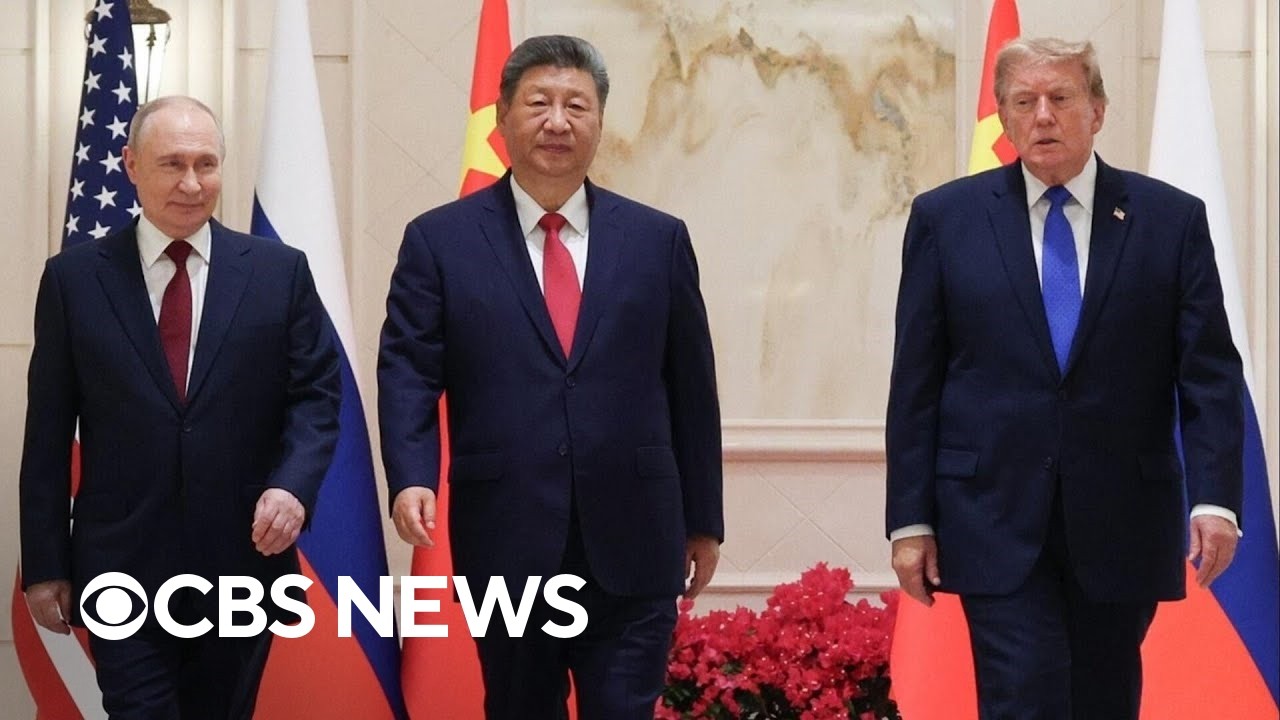
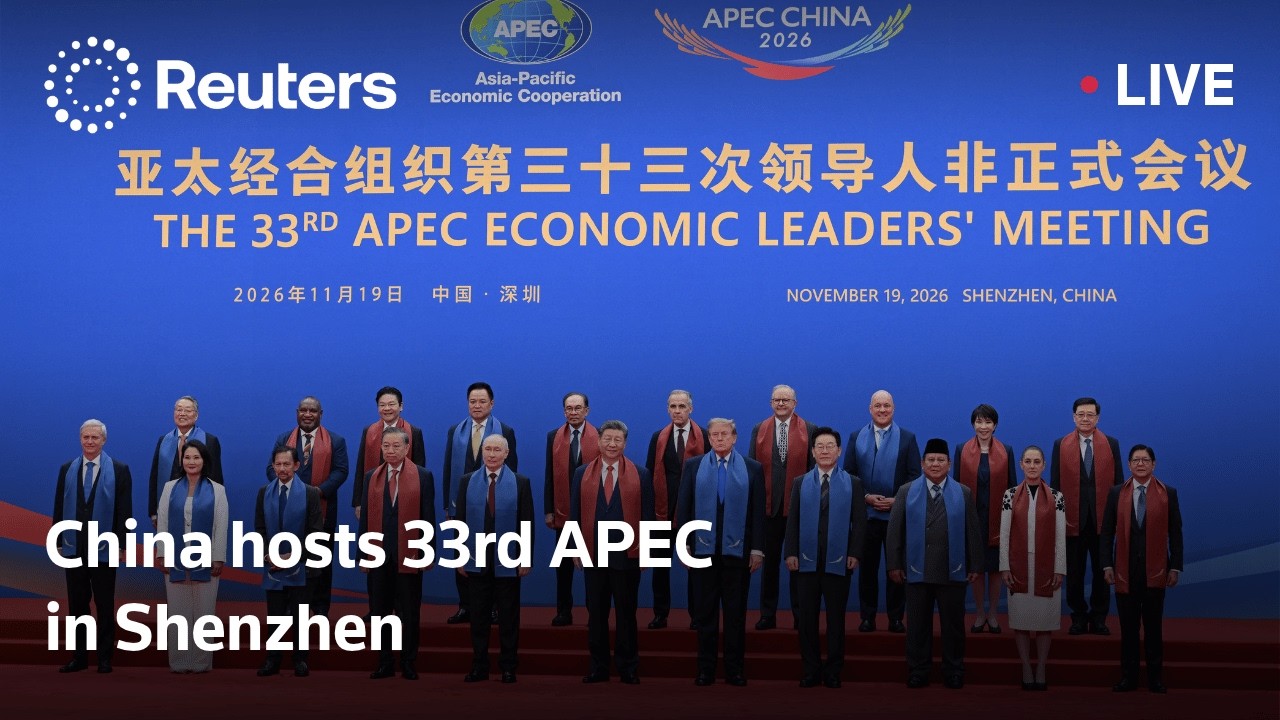
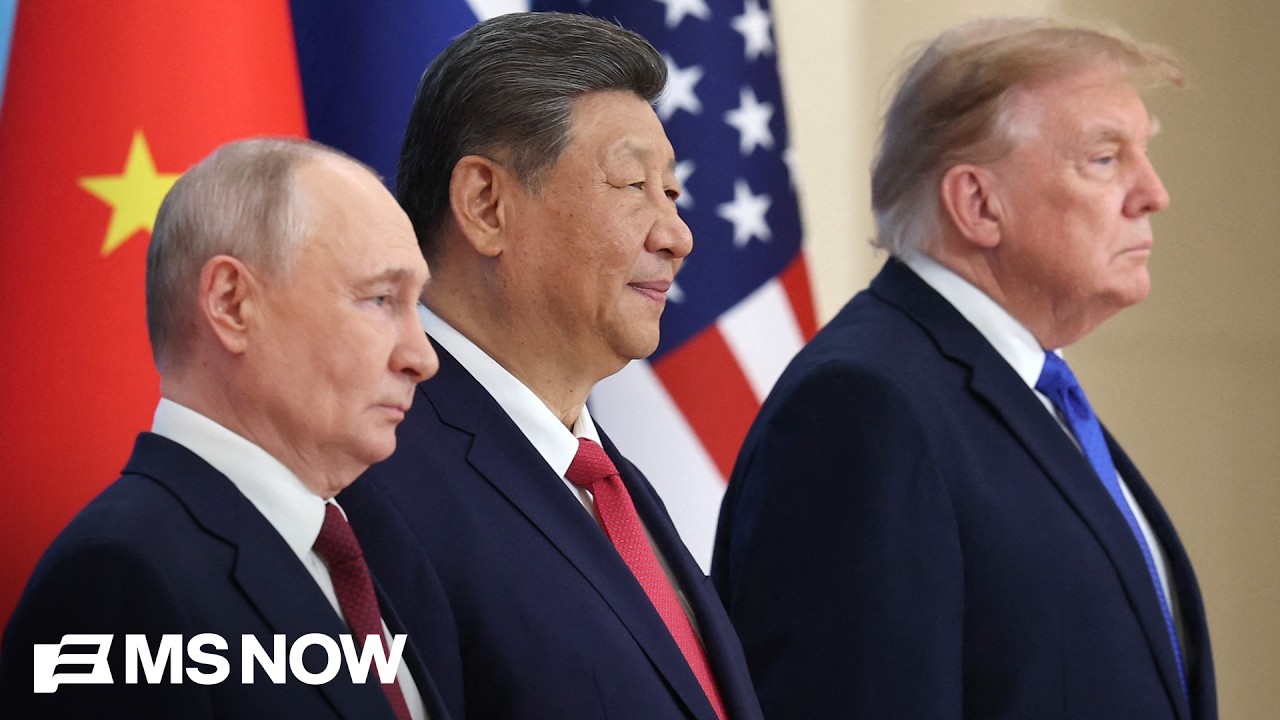
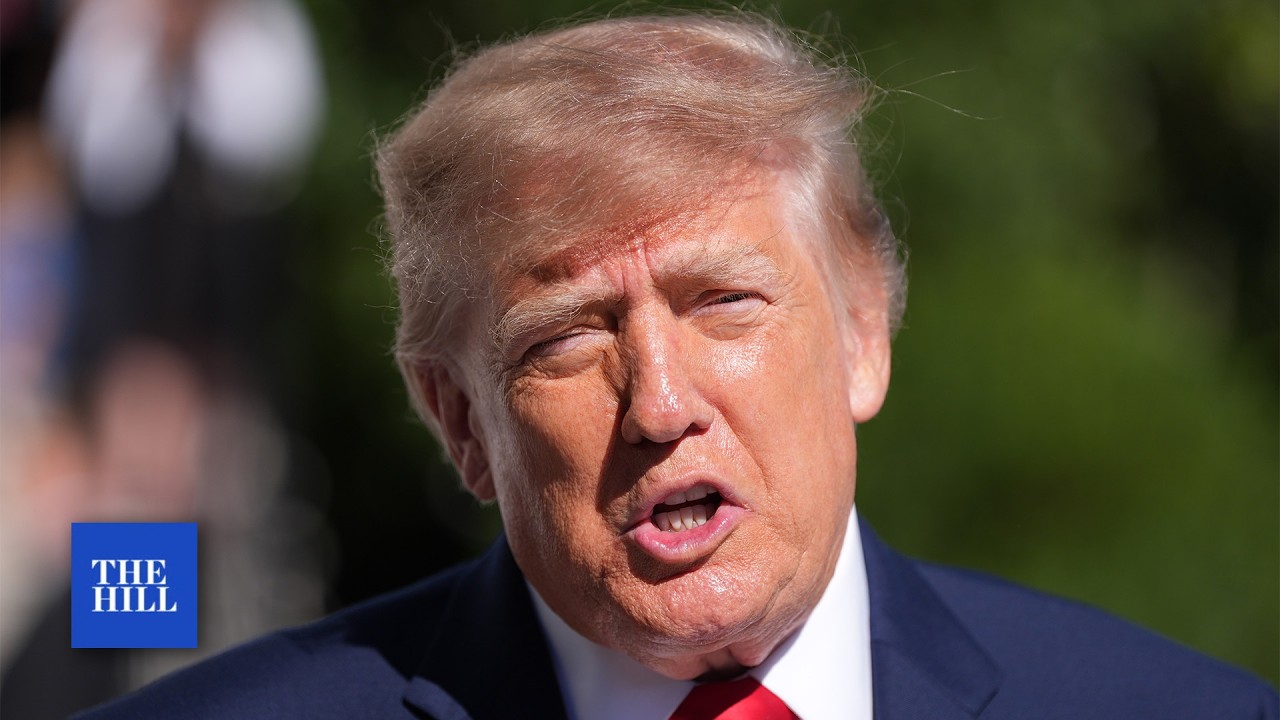
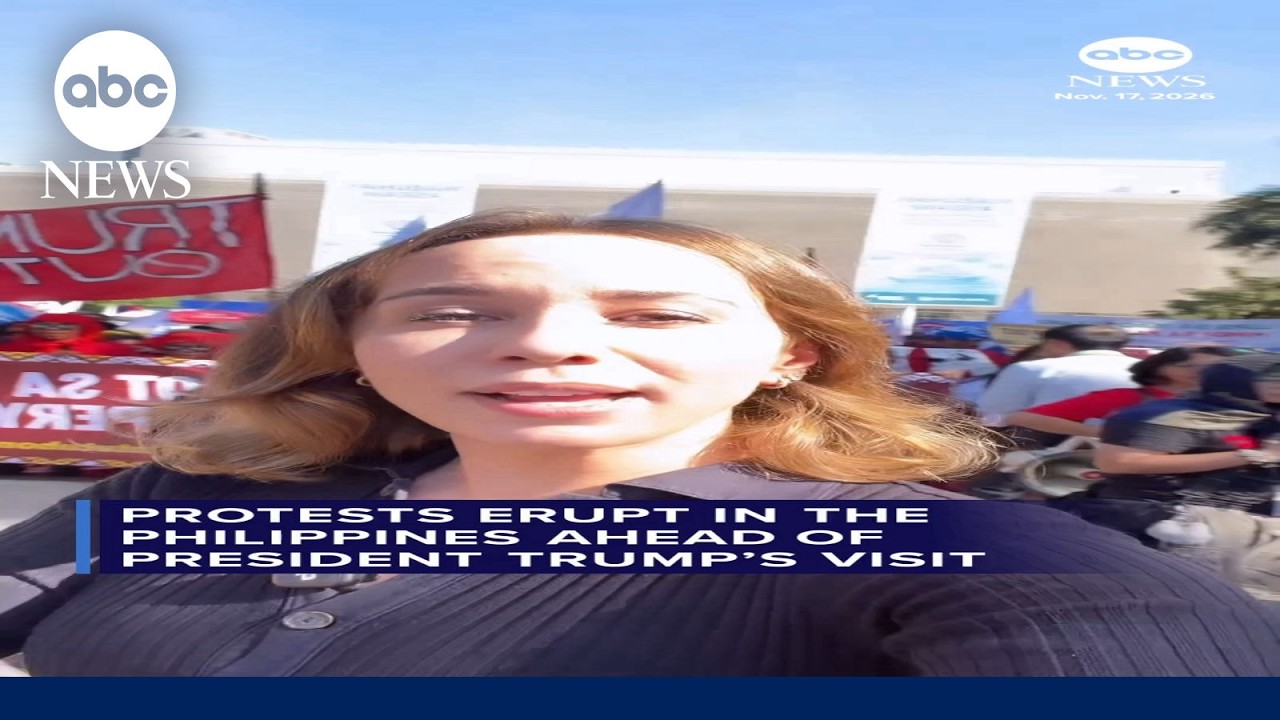
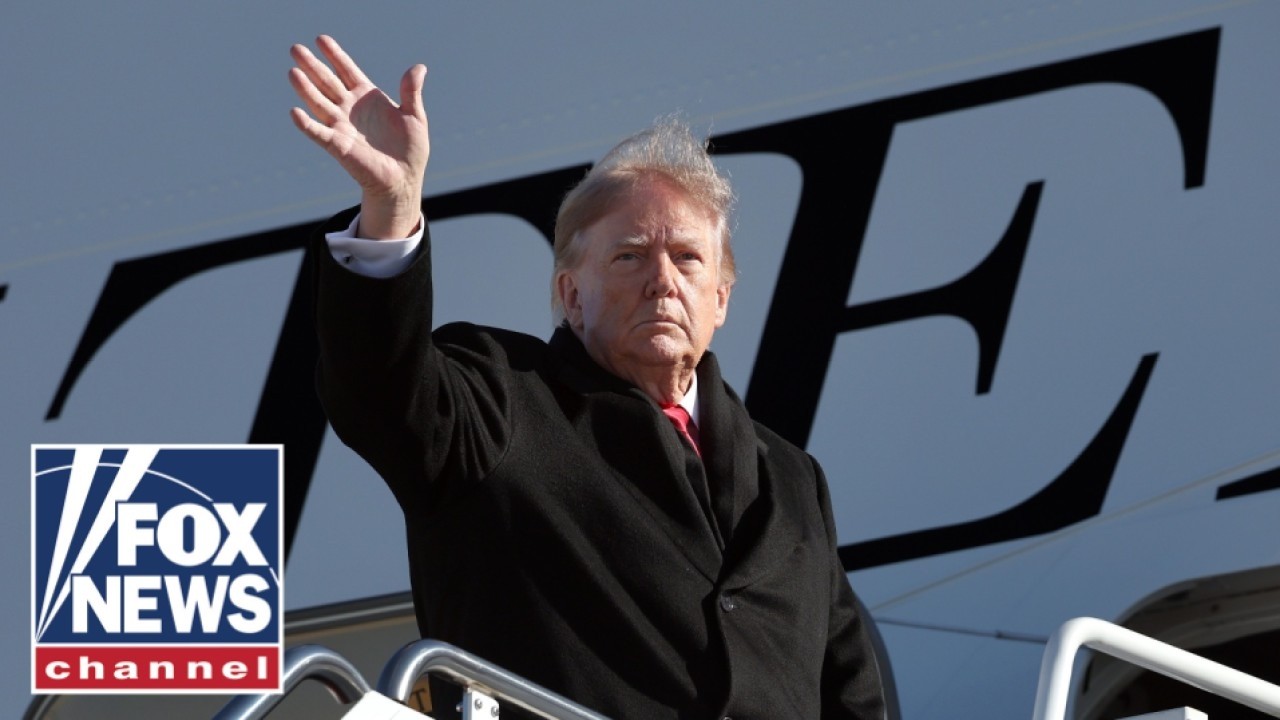
Following Donald Trump's attendance at the Asia-Pacific Economic Cooperation (APEC) conference in China, a trilateral summit took place in Shenzhen. The leaders issued a joint declaration pledging dialogue on nuclear risks and energy stability. During the APEC summit, Trump asserted U.S. leadership in 'superintelligence' and discussed a '30-for-30' trade deal with China to cut tariffs on $30 billion in trade. Trump announced plans to tax companies that build AI data centers outside the U.S. to ensure American competitiveness against China, while the administration is implementing new policies to restrict the export of AI chips following Jensen Huang's departure from Nvidia. Senator Jim Banks stated on Fox News that Trump's goal in the meeting was to bring China to the table for nuclear arms control negotiations. The New START treaty has expired.
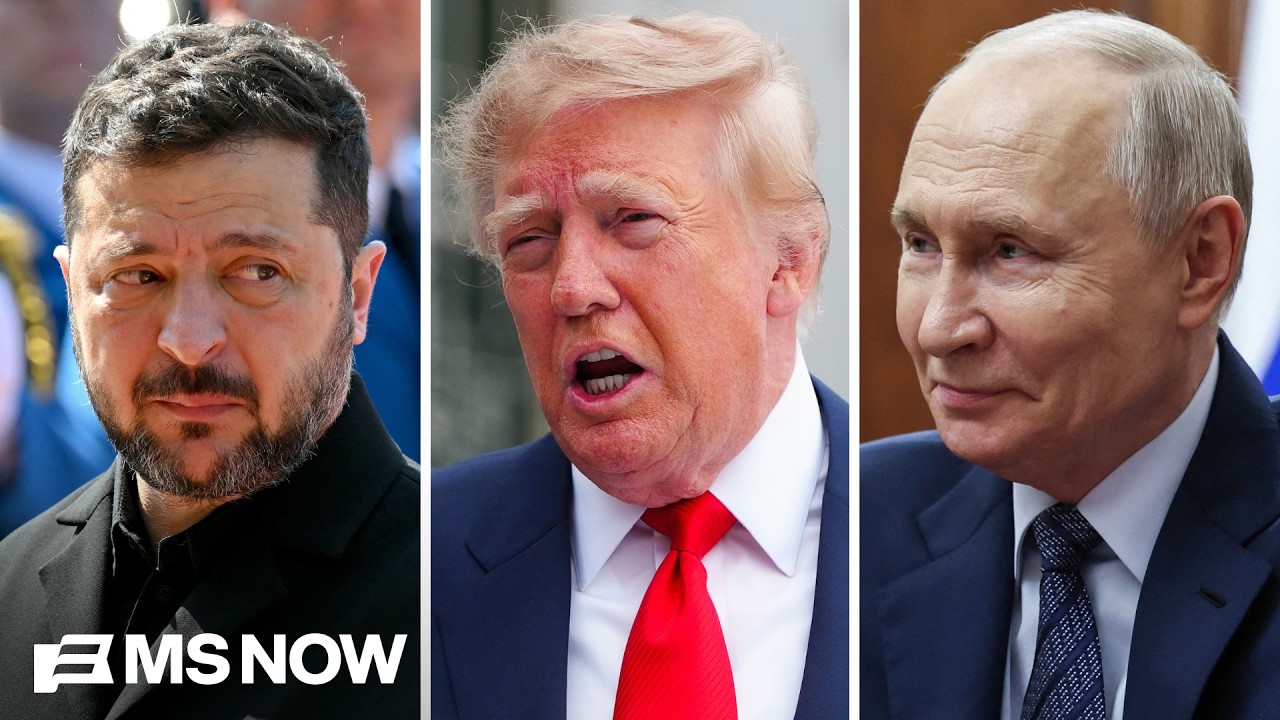
Trump stated that Vladimir Putin expressed a desire to end the Russia-Ukraine war through diplomatic means, remarked that there is a 'real good chance' an end to the conflict can be reached, and stated that Putin is having a hard time because the war has lasted five years instead of one day. Trump described Putin as a friend, stated their personal relationship is 'very good', and told Reuters it is better to have a nuclear-armed leader as a friend than an enemy. Trump claimed that Putin and Volodymyr Zelenskyy are 'stuck' in the war and do not know how to end it, and claimed his relationship with Putin provides the U.S. with additional strength and safety. Trump described previous Russia investigations as a 'rigged hoax' created by Democrats and cited his role in providing Javelins to Ukraine as evidence of his effectiveness. When asked by CNN's Kaitlan Collins if Putin was a friend to America, Trump responded, 'I can’t speak to America.'
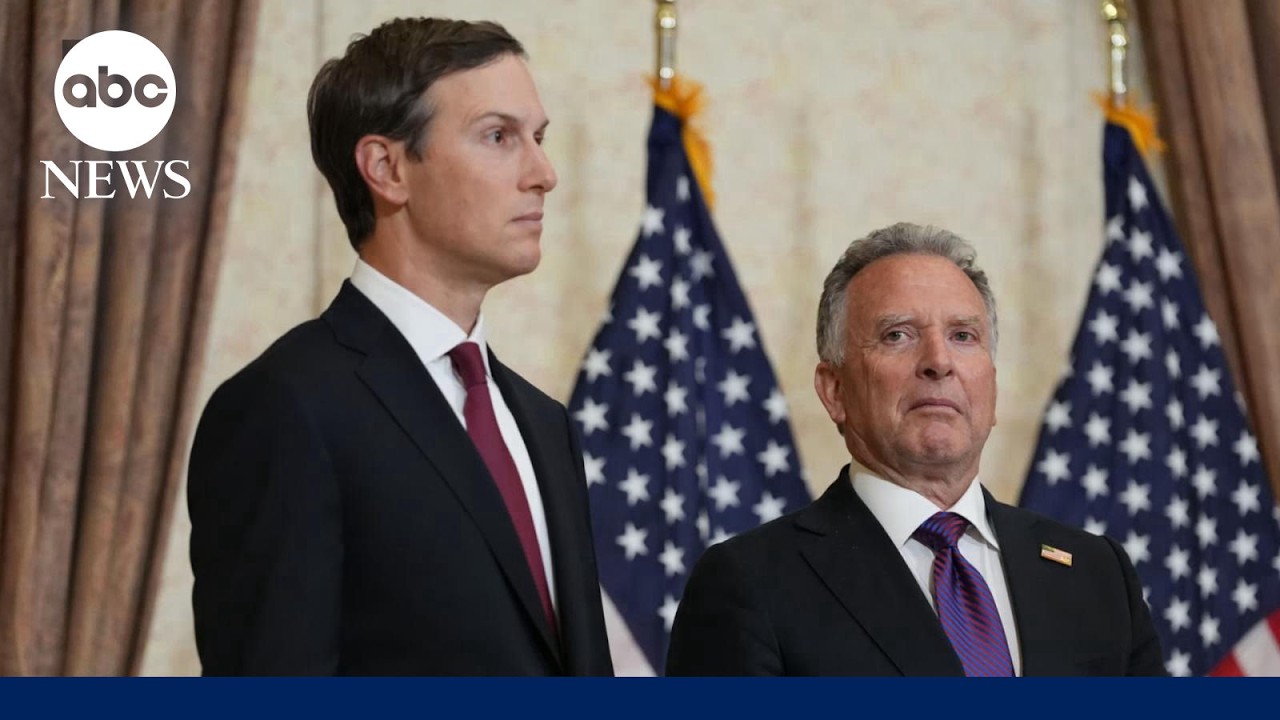
Polish officials expressed alarm over Trump calling Putin 'my friend' and questioned if Trump values Putin over Poland. British PM Andy Burnham and NATO Secretary-General Mark Rutte defended the necessity of diplomacy between nuclear powers. Secretary of State Marco Rubio supported the trilateral engagement, arguing that cooperation between the three nuclear powers is essential for global safety. U.S. envoys Steve Witkoff and Jared Kushner stated that any peace deal between Moscow and Kyiv would involve consultation with Europe and Ukraine. Trump encouraged European leaders to reach a deal to reduce their spending on Ukraine. Senator Schumer criticized the trilateral meeting as a 'historic embarrassment.' Historian Anne Applebaum and former communications director Anthony Scaramucci interpreted Trump's remark regarding America as evidence that he prioritizes personal interests over national interests, while commentators Jon Favreau and Sarah Longwell argued that the response summarized his entire presidency. Additionally, Trump expressed a willingness to work with incoming Democratic majorities in Congress on healthcare and immigration.
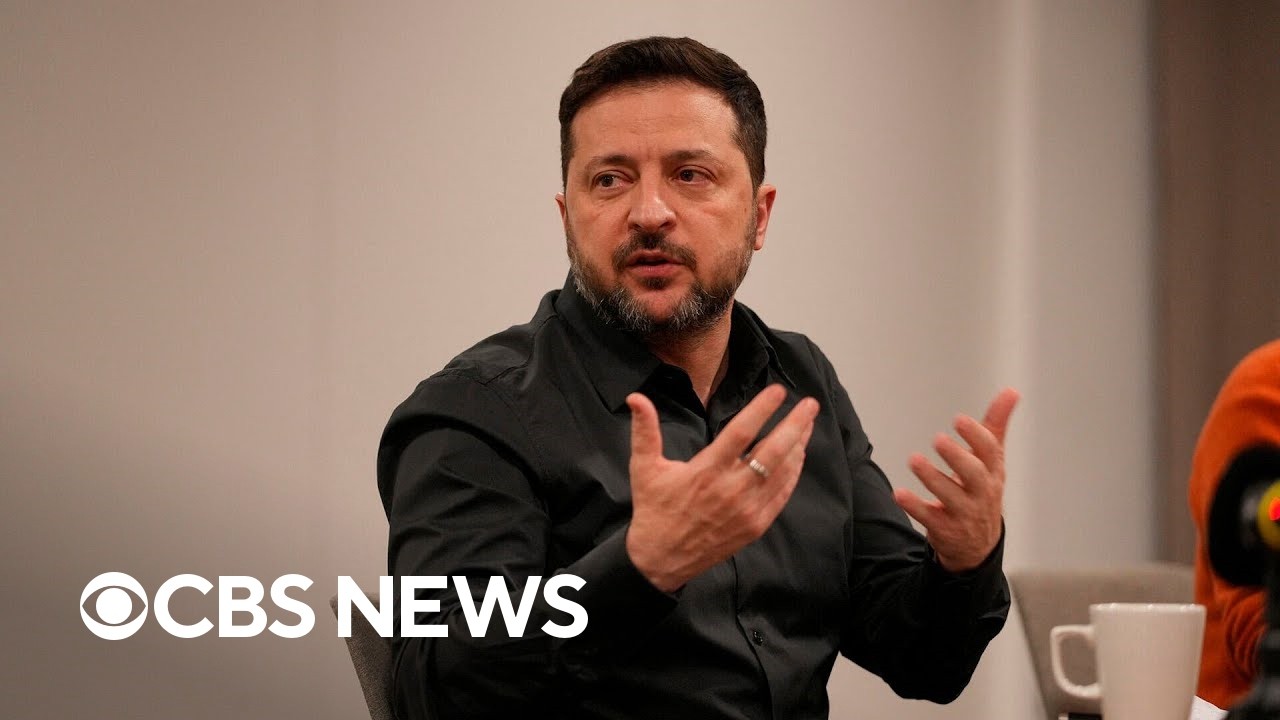
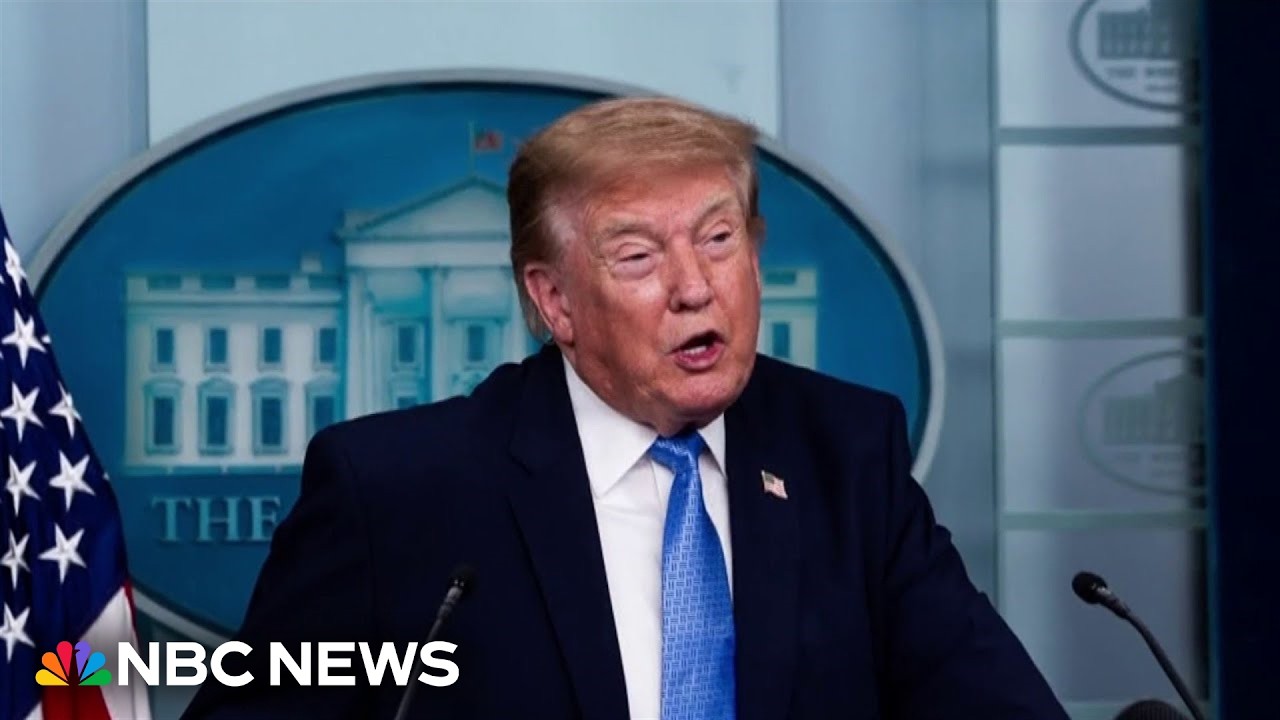
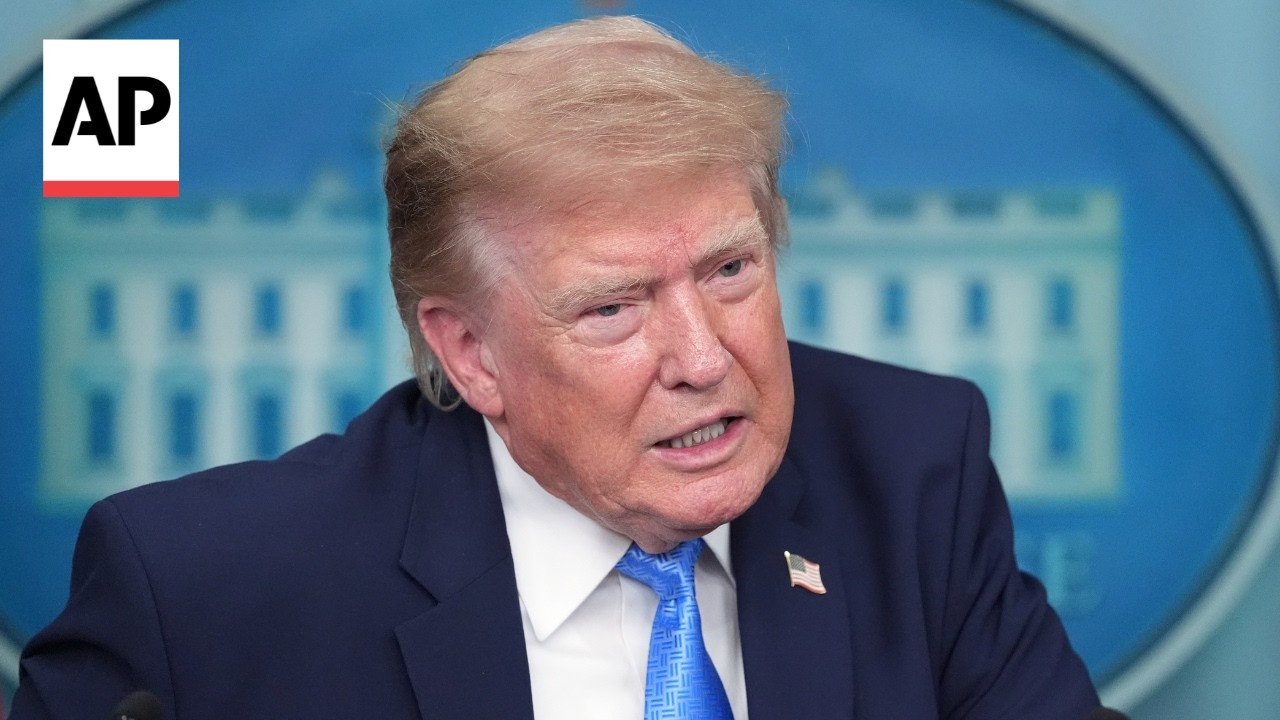
During a White House press conference reported on by NBC News' Monica Alba, Vice President JD Vance and Secretary of State Marco Rubio stood alongside Trump, both wearing red ties similar to the president's. Vance and Rubio were observed laughing at the president's jokes and rolling their eyes at specific media questions. During the briefing, Trump spoke about potholes and his family's connection to MIT. Stephen Miller praised Trump's achievements, leading Trump to jokingly suggest Miller might be a better presidential candidate than Vance or Rubio. Trump concluded the event by reminiscing about hosting UFC bouts. Separately, Senator Jeanne Shaheen called Vladimir Putin a war criminal, and President Volodymyr Zelenskyy stated that Putin is an enemy and a killer to Ukraine.
The debate over the summit has shifted from a question of symbolic omission to a clash over strategic pragmatism. Breitbart provides a concrete objective by citing Senator Jim Banks, who argues the meeting aimed to bring China to the table for nuclear arms control following the expiration of the New START treaty. This introduces a strategic necessity that goes beyond the symbolic alignment noted in the first analysis.
NY Post connects the diplomatic theater to economic and technological competition by reporting on the '30-for-30' trade deal and the assertion of U.S. leadership in 'superintelligence.' NY Post still highlights that the most pressing global conflicts remain vague, maintaining the tension between the administration's celebratory tone and the lack of concrete peace breakthroughs.
NBC News focuses on the possibility of a diplomatic end to the Russia-Ukraine war, citing Trump's claim that Putin expressed a desire for such a resolution. This introduces a new variable to the question of whether the summit was a failure of substance or a calculated opening for future deals. The contrast between this optimism and Senator Schumer's description of the meeting as a 'historic embarrassment' leaves the actual progress of the peace process as the primary open question.
NBC News captures the friction this approach creates with allies, specifically reporting the alarm of Polish officials. This highlights a risk that the first analysis did not cover: that the pursuit of a personal rapport with nuclear leaders may undermine the security perceptions of key U.S. allies.
Mediaite focuses on the psychological gap between the leader and the state. By highlighting Trump's response that he 'can’t speak to America' when asked if Putin is a friend to the country, it suggests a decoupling of personal friendship from national interest. This transforms the critique from a policy failure into a question of presidential identity.
Washington Examiner and The Guardian shift the lens toward internal GOP dynamics. While Washington Examiner views the visual unity of Vance and Rubio as a strategic management of future rivalry, The Guardian interprets the press conference as a psychological game of dominance over subordinates. These reports suggest that for some observers, the summit's global outcomes are secondary to the internal audition for the 2028 succession.
Source facts (37)
The trilateral summit took place in Shenzhen, China.
NY Post
The leaders issued a joint declaration pledging dialogue on nuclear risks and energy stability.
NY Post
Trump discussed a '30-for-30' trade deal with China to cut tariffs on $30 billion in trade.
NY Post
Trump asserted U.S. leadership in 'superintelligence' during the APEC summit.
NY Post
The New START treaty has expired.
NY Post
Senator Jim Banks stated on Fox News that Trump's goal in the meeting was to bring China to the table for nuclear arms control negotiations.
Breitbart
The trilateral meeting followed Trump's attendance at the Asia-Pacific Economic Cooperation (APEC) conference in China.
Breitbart
Trump stated that Vladimir Putin expressed a desire to end the Russia-Ukraine war through diplomatic means.
NBC News
Trump remarked that there is a 'real good chance' an end to the Russia-Ukraine conflict can be reached.
NBC News
Senator Schumer criticized the trilateral meeting as a 'historic embarrassment.'
NBC News
President Trump described Russian President Vladimir Putin as a friend and stated their personal relationship is 'very good'.
PBS
Trump claimed that Vladimir Putin and Volodymyr Zelenskyy are 'stuck' in the war and do not know how to end it.
PBS
Trump claimed his relationship with Putin provides the U.S. with additional strength and safety.
Mediaite
Trump described previous Russia investigations as a 'rigged hoax' created by Democrats.
Mediaite
Trump cited his role in providing Javelins to Ukraine as evidence of his effectiveness.
Mediaite
Polish officials expressed alarm over Trump calling Putin 'my friend', questioning if Trump values Putin over Poland.
NBC News
British PM Andy Burnham and NATO Secretary-General Mark Rutte defended the necessity of diplomacy between nuclear powers.
NBC News
Trump told Reuters it is better to have a nuclear-armed leader as a friend than an enemy.
NBC News
U.S. envoys Steve Witkoff and Jared Kushner stated that any peace deal between Moscow and Kyiv would involve consultation with Europe and Ukraine.
NBC News
Trump encouraged European leaders to reach a deal to reduce their spending on Ukraine.
NBC News
When asked by CNN's Kaitlan Collins if Putin was a friend to America, Trump responded, 'I can’t speak to America.'
Mediaite
Historian Anne Applebaum and former communications director Anthony Scaramucci interpreted Trump's remark as evidence that he prioritizes personal interests over national interests.
Mediaite
Commentators Jon Favreau and Sarah Longwell argued that Trump's response summarized his entire presidency.
Mediaite
Secretary of State Marco Rubio supported the trilateral engagement, arguing that cooperation between the three nuclear powers is essential for global safety.
PBS
President Trump announced plans to tax companies that build AI data centers outside the U.S. to ensure American competitiveness against China.
PBS
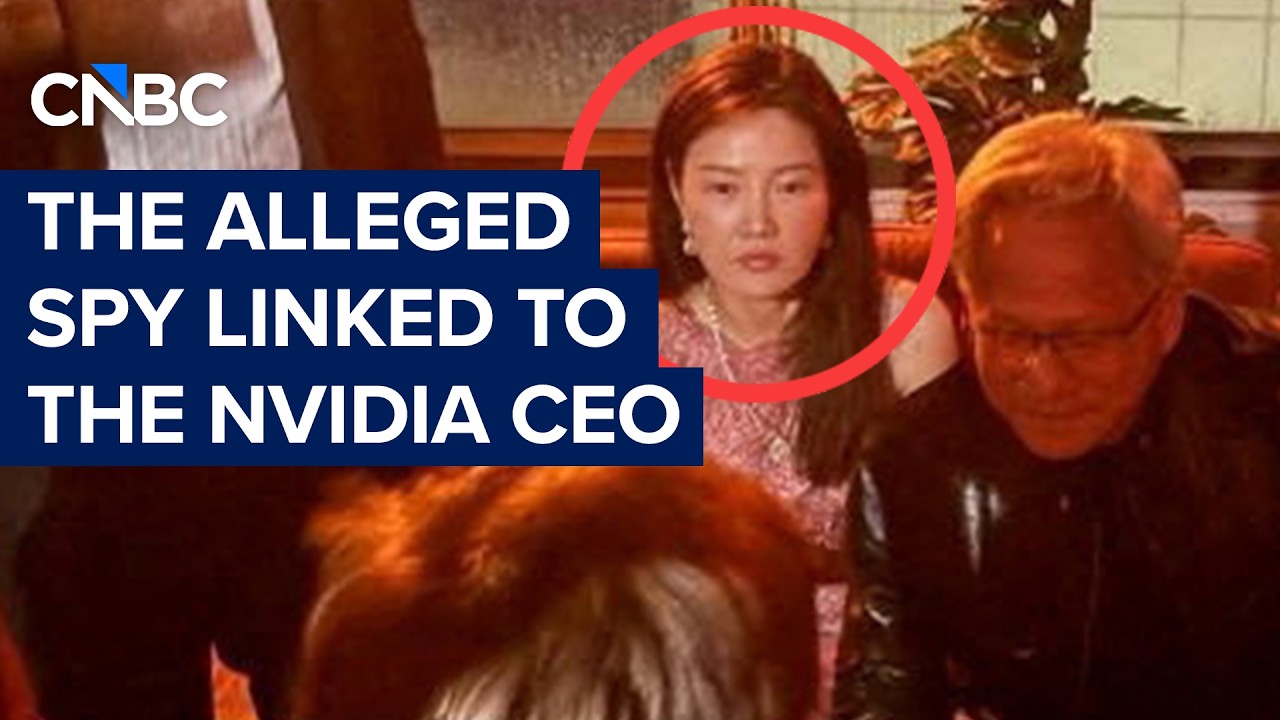
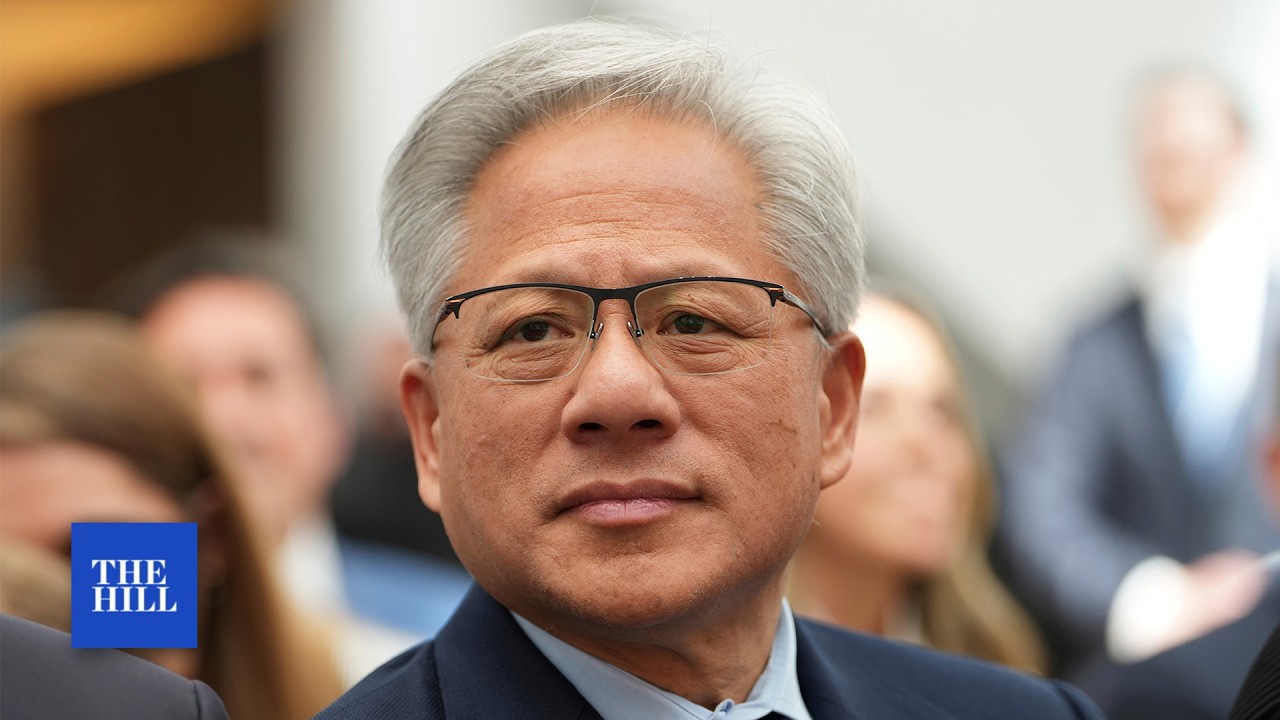
The administration is implementing new policies to restrict the export of AI chips following Jensen Huang's departure from Nvidia.
PBS
Trump expressed a willingness to work with incoming Democratic majorities in Congress on healthcare and immigration.
PBS
Vice President JD Vance and Secretary of State Marco Rubio stood alongside President Trump during the White House press conference.
Washington Examiner
Vance and Rubio were observed laughing at the president's jokes and rolling their eyes at specific media questions.
Washington Examiner
Trump stated that Vladimir Putin is having a hard time because the war in Ukraine has lasted five years instead of one day.
Українська правда
Ukrainian President Volodymyr Zelenskyy stated that Putin is an enemy and a killer to Ukraine.
Українська правда
During the briefing, Trump spoke about potholes and his family's connection to MIT.
The Guardian
Stephen Miller praised Trump's achievements, leading Trump to jokingly suggest Miller might be a better presidential candidate than Vance or Rubio.
The Guardian
Trump concluded the event by reminiscing about hosting UFC bouts.
The Guardian
NBC News' Monica Alba reported on the press conference.
NBC News