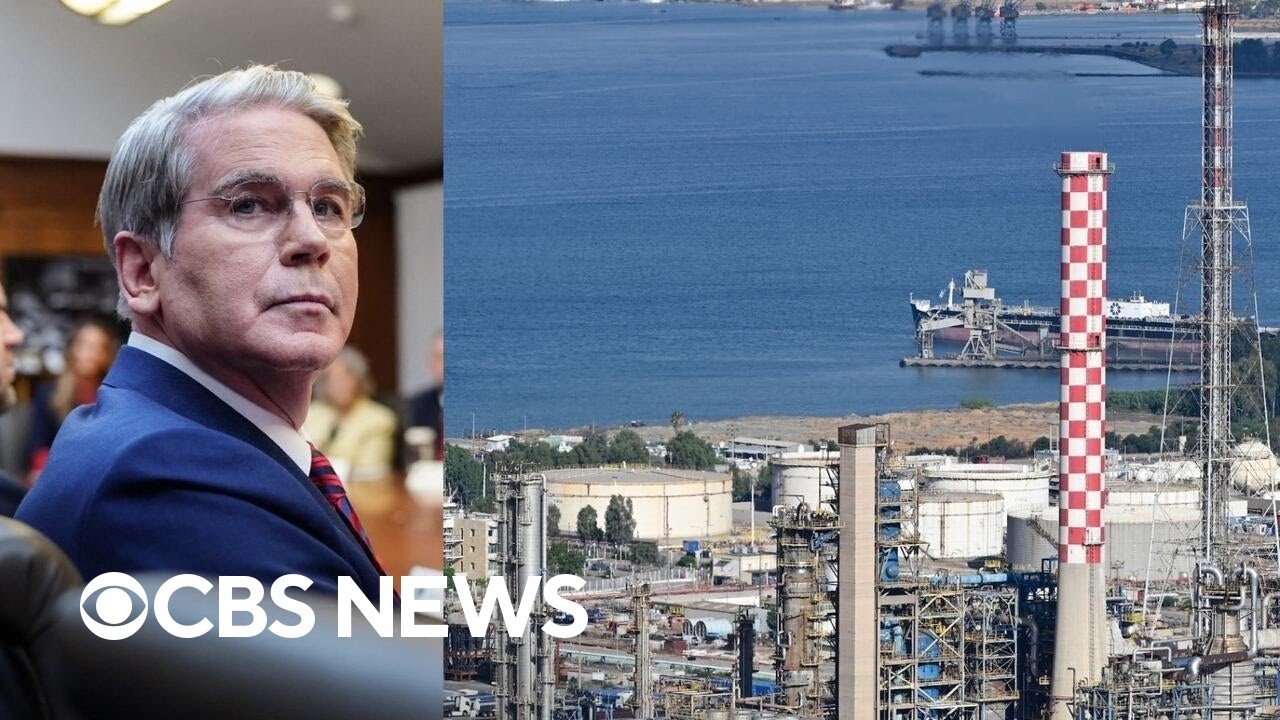
 Reference video
A video on the same topic from an external channel, separate from the reports analyzed here.
Trump Negotiates Reopening of Strait of Hormuz
Efforts to reopen a critical global oil and gas waterway.
Event Overview
President Donald Trump and the U.S. administration are negotiating a deal with Iran and Oman to reopen the Strait of Hormuz. Proposed arrangements include an interim 60-day agreement involving shared control of northern and southern channels and a 30-day mine-clearing timeline. While Trump claims these negotiations are a result of military pressure, others cite economic and military constraints as drivers for the compromise.
Issue Summary
Bias Distribution
Bias Signal Summary
Coverage Tone Distribution
· ConflictRedder = higher bias. Larger area = more outlets. Click an outlet to jump to its position.
AI Analysis
Breitbart's focus on the "maximum pressure" strategy (1 article) creates a pattern of attributing the deal to military strength, describing a perspective of strategic success. 2 of 5 articles from CNBC and HuffPost emphasize market volatility and diplomatic uncertainty, forming a pattern of skepticism that describes the negotiations as unstable. No articles address the specific perspectives or diplomatic positions of Iran and Oman, revealing a substantial missing perspective regarding the non-U.S. participants in the deal.
Critical coverage dominates with mid-to-high bias intensity.
Related Coverage
Related Cards
- United States Conflict with Iran
- Gen. Grynkewich warns Pentagon of resource shortages
- CENTCOM Seeks Creative Ways to Pressure Iran
- US and Iran Exchange Military Strikes in Middle East
- US Government Conducts War with Iran
- Trump Shifts Strategy Toward Iran
- US-Iran Military Conflict and Munitions Depletion
Coverage flow
Coverage volume
Focus shift
Story timeline
Recommended Reads
Trump teased an Iran deal that didn't come, but markets soared. Here’s why it keeps happening
CNBC
A deal with Iran over the Strait of Hormuz may require a compromise from Trump - PBS
PBS
Trump appears ready to accept Iran’s deal with Oman to open Strait of Hormuz as his own
Washington Examiner
Trump Says Deal To Reopen Strait Of Hormuz Could Come As Early As Wednesday
HuffPost
Three of the five outlets portrayed diplomatic claims as irrational, weak, or contradictory, while the remaining two focused on volatile uncertainty and the success of "maximum pressure" strategies, respectively.
The writer intends to portray the market's reaction to Trump's diplomatic claims as an irrational 'optimism bias,' warning the reader that financial gains are based on 'theater diplomacy' rather than geopolitical reality.
The writer intends to portray President Trump as being in a position of weakness, suggesting that despite his public bravado, economic and military pressures are forcing him toward a compromise he typically views as 'losing.'
The writer intends to portray Trump's approach to the Strait of Hormuz as a pragmatic attempt to avoid war, while simultaneously highlighting the contradiction between Trump's claims of 'wonderful discussions' and the lack of evidence or Iranian confirmation.
The writer intends to present a state of volatile uncertainty where diplomatic hopes for economic relief are contrasted with ongoing military aggression and fundamental disagreements over sovereignty and control of the waterway.
The writer intends to portray President Trump's 'maximum pressure' strategy—combining threats of overwhelming military force with diplomatic openings—as the sole reason for Iran's willingness to negotiate.
🌏 Global Comparison
How Korean and US outlets report the same event differently, and propagation delay
Loading comments...