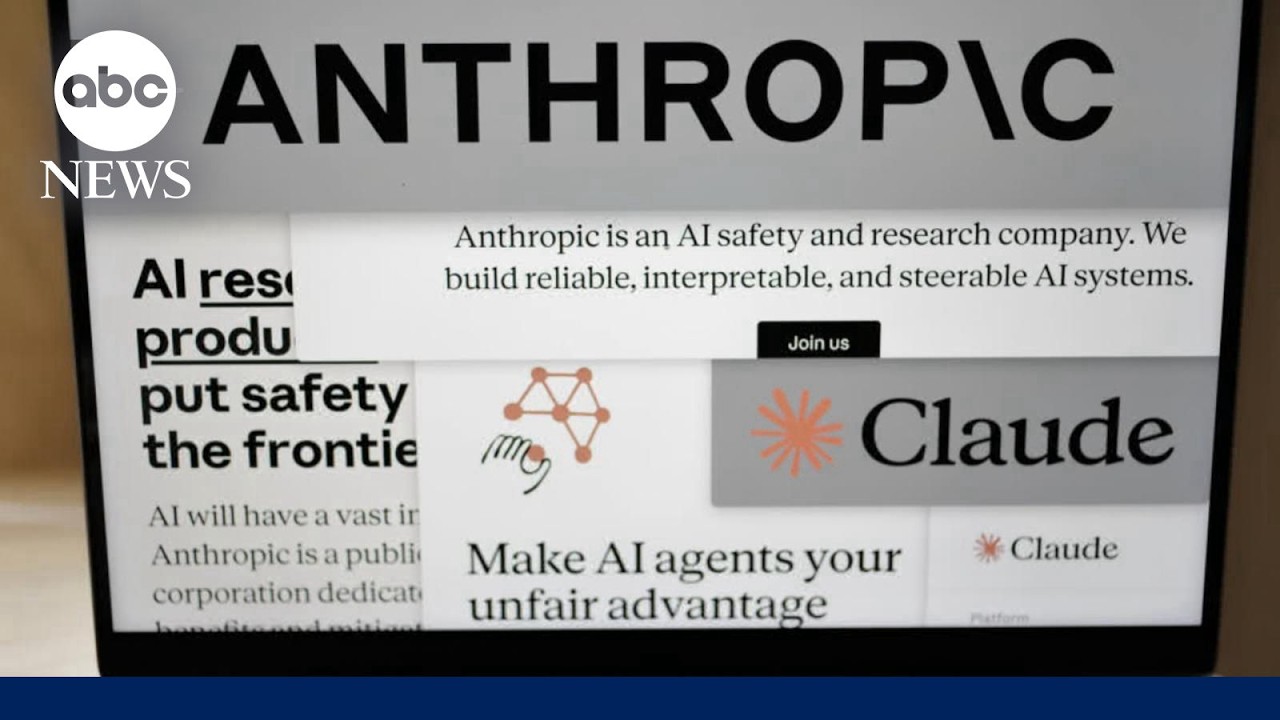
 Reference video
A video on the same topic from an external channel, separate from the reports analyzed here.
Anthropic Implements Watermarking for Claude Output
AI watermarking balances regulation against privacy concerns.
Event Overview
Anthropic is introducing invisible, machine-readable watermarks for text and images generated by its Claude models. This implementation is designed to comply with the EU AI Act and combat low-quality 'AI slop.' To address critic concerns, Anthropic stated it will provide a free API for third-party watermark verification.
Issue Summary
Bias Distribution
Bias Signal Summary
3 articles — 2 signal types detected.
Coverage Tone Distribution
· AlignedRedder = higher bias. Larger area = more outlets. Click an outlet to jump to its position.
AI Analysis
All 3 articles mention the EU AI Act and the goal of combating AI slop, showing a consistent focus on regulatory compliance and content quality. 2 of 3 articles highlight the tension between corporate transparency and technical efficacy, characterizing the coverage as a debate over the practical utility of watermarking. Only 1 outlet mentions the free API for third-party verification, leaving the specific mechanism for public accountability as a substantial missing perspective across the broader coverage.
Critical coverage dominates with moderate intensity.
Related Coverage
Coverage flow
Coverage volume
Focus shift
Story timeline
Recommended Reads
Explaining Anthropic’s New Watermarking Of Claude AI-Generated Outputs And What It Signifies For Society
Forbes
Techies have concerns about Claude's hidden watermark. Anthropic has some answers.
Business Insider
Anthropic plans to add an invisible mark to AI text—as the industry scrambles to police AI slop - fortune.com
fortune.com
Two of the three outlets view watermarking as a precarious and reactive industry scramble, while one provides a balanced analysis of the tension between compliance and individual autonomy.
The writer intends to present the implementation of AI watermarking as a contentious issue, balancing corporate compliance and transparency against individual privacy and professional autonomy, leaving the reader to weigh the trade-offs of AI traceability.
The writer intends to instill a sense of skepticism regarding the efficacy of AI watermarking, framing it as a technically precarious 'gambit' that may ultimately fail despite its necessity for legal compliance and societal order.
The writer intends to frame the AI industry as being in a state of reactive scramble, where companies are forced to implement policing measures (like watermarking) due to regulatory pressure and a growing public backlash against low-quality 'slop.'
🌏 Global Comparison
How Korean and US outlets report the same event differently, and propagation delay
Loading comments...