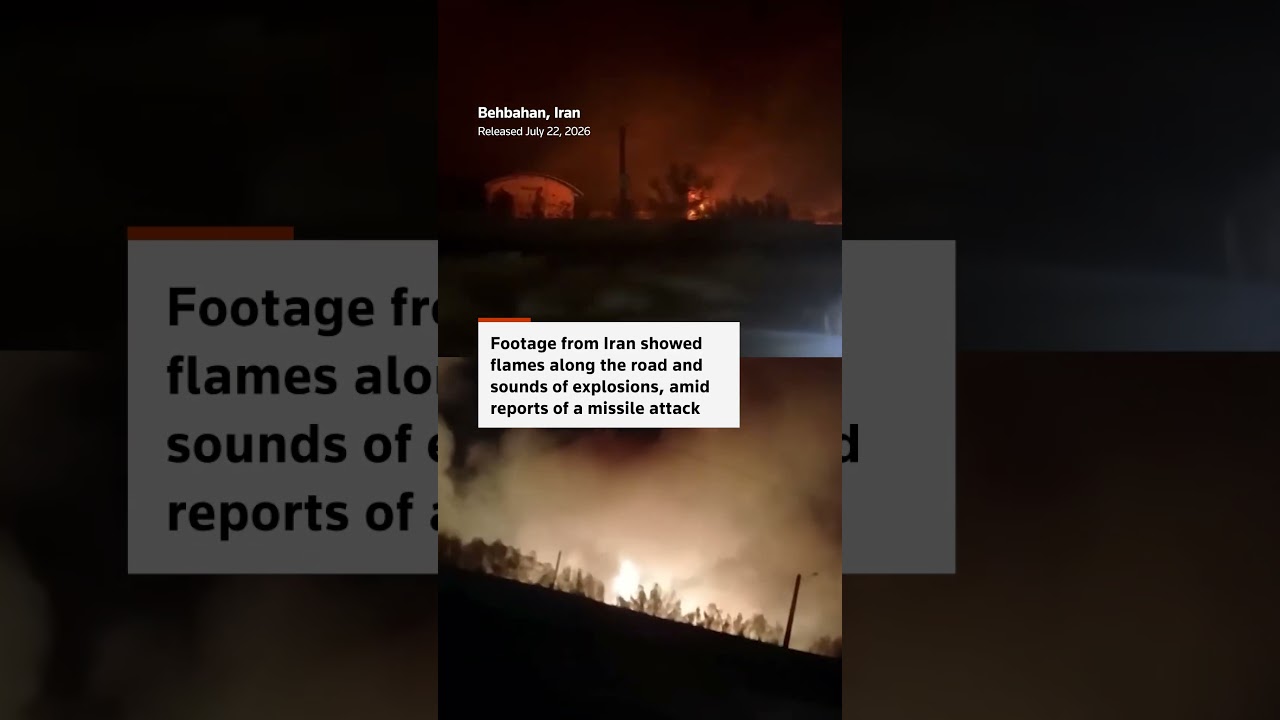
 Reference video
Reference video may not be directly related to the topic of this article
U.S. and Saudi Arabia Conduct Strikes Against Iranian Proxies
Military escalation in Middle East impacts global markets.
Event Overview
The U.S. and Saudi Arabia conducted joint precision airstrikes against Iranian-backed logistics and weapons sites in eastern Iraq following over 30 IRGC-directed drone attacks. This action coincided with the U.S. intercepting a ballistic missile surprise attack launched by Iran. The conflict, which began on February 28, has seen further instability with Houthi rebels blockading Saudi shipping and Iran halting oil tankers in the Strait of Hormuz.
Issue Summary
Bias Distribution
Bias Signal Summary
9 articles — 4 signal types detected.
Coverage Tone Distribution
· ConflictRedder = higher bias. Larger area = more outlets. Click an outlet to jump to its position.
AI Analysis
The Trump administration's use of accounting tricks to hide war costs is mentioned by only 1 outlet, showing a pattern of focusing on internal government deception, which characterizes a specific critique of administrative transparency. 2 of 9 articles focus on the volatility of the Middle East and stock market dips, reflecting a pattern of analyzing secondary geopolitical and economic ripples, which characterizes a focus on systemic instability. No articles address the perspectives or humanitarian impact on the Iraqi civilians living near the targeted logistics sites, revealing a pattern of omitting local ground-level consequences, which characterizes a substantial missing perspective.
Critical coverage dominates with high bias intensity.
Related Coverage
Related Cards
Coverage flow
Coverage volume
Focus shift
Story timeline
Recommended Reads
US and Saudis hit Iranian targets in Iraq after thwarting ‘surprise’ missile attack
The Guardian
US thwarts an Iranian missile attack and launches strikes with Saudi Arabia against militias in Iraq - AP News
AP News
Iran launched multiple missiles at American forces, U.S. military says
pbs.org
US and Saudi Arabia strike Iranian proxies in Iraq, CENTCOM says
Washington Examiner
Coverage across the nine outlets was split: three framed military action as a necessary response to aggression, while the remaining six focused on administration failures, regional diplomatic fragility, and resulting economic risks.
The writer intends to portray the current Middle Eastern conflict as a volatile cycle of escalation and retaliation, while framing the military actions as a backdrop to the domestic political pressures facing Trump and Netanyahu.
The writer intends to convey a sense of heightened regional instability and economic risk, framing Iran as the aggressor whose actions are disrupting oil markets and threatening international shipping lanes.
The writer intends to frame the military action as a necessary and defensive response to Iranian aggression, while highlighting the tension between President Trump's diplomatic aspirations and the escalating reality of proxy warfare.
The writer intends to frame the joint strikes as a decisive and unprecedented escalation of cooperation between the U.S. and Saudi Arabia to deter Iranian aggression, positioning the action as a justified response to repeated attacks.
The writer intends to present the military actions as a necessary response to aggression while simultaneously framing the conflict as a political liability for President Trump due to economic costs and domestic unpopularity.
The writer intends to frame the Iranian attack as a direct consequence of Trump's decision to pause military strikes, suggesting that the pause 'crumbled' and emboldened the adversary.
The writer intends to portray the Trump administration as deceptive and disrespectful toward the military, framing their accounting of war deaths as a cynical political ploy to evade legal accountability and public scrutiny.
The writer intends to frame the current stock market dip as a predictable reaction to geopolitical volatility and macroeconomic factors, suggesting that the decline is a market overreaction that may present a buying opportunity.
The writer intends to convey that the Middle East remains highly volatile and that diplomatic efforts are fragile, while highlighting the domestic political pressures facing the U.S. and Israeli leadership during the conflict.
Loading comments...