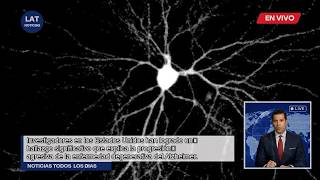
 Reference video
A video on the same topic from an external channel, separate from the reports analyzed here.
University of Utah researchers identify Arc protein's role in Alzheimer's
Discovery of Arc protein reveals how toxic Tau spreads.
Event Overview
Researchers at the University of Utah Health identified a brain protein called Arc that facilitates the spread of toxic Tau proteins between neurons in Alzheimer's patients. The study, published in the journal Cell, found that Arc packages Tau into extracellular vesicles to move it from damaged neurons to healthy ones. While Arc helps the disease spread, it also provides a protective benefit by helping sick neurons expel excess Tau to survive longer. Experiments with mice showed that removing the Arc protein significantly reduced Tau transmission.
Issue Summary
Bias Distribution
Bias Signal Summary
3 articles — 1 signal types detected.
Coverage Tone Distribution
· -Redder = higher bias. Larger area = more outlets. Click an outlet to jump to its position.
AI Analysis
Missing perspectives include critical scientific skepticism regarding the transition from mouse models to human application and the potential risks of inhibiting a protein that provides protective benefits to sick neurons.
Related Coverage
Coverage flow
Coverage volume
Focus shift
Story timeline
Recommended Reads
Scientists may have finally found how Alzheimer's spreads through the brain - ScienceDaily
sciencedaily.com
Scientists Discover How Alzheimer’s May Spread in Brain—And Way to Slow It - Newsweek
Newsweek
Stopping Cognitive Decline? Scientists Just Discovered the Protein Driving the Spread of Alzheimer’s - inc.com
inc.com
Two of the three outlets presented the discovery as a hopeful breakthrough for slowing or stopping disease progression, while one framed it as a strategic paradigm shift in research methodology.
The writer intends to present this discovery as a paradigm shift in Alzheimer's research, moving the reader's perception from 'clearing toxic buildup' to 'intercepting the transport system' as the most promising path to slowing the disease.
The writer intends to present this scientific discovery as a breakthrough that opens a promising new strategic avenue for slowing Alzheimer's progression, instilling a sense of cautious optimism in the reader.
The writer intends to present a scientific discovery as a hopeful breakthrough, instilling a sense of optimism in the reader regarding the future possibility of stopping Alzheimer's progression.
Loading comments...