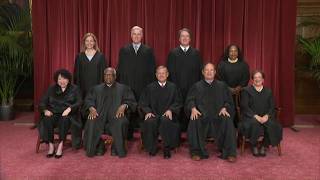
 Reference video
A video on the same topic from an external channel, separate from the reports analyzed here.
Supreme Court Upholds State Bans on Transgender Athletes
SCOTUS affirms states may limit sports to biological females.
Event Overview
The U.S. Supreme Court ruled that laws in West Virginia and Idaho banning transgender girls and women from female school sports do not violate Title IX or the Equal Protection Clause. Justice Brett Kavanaugh wrote the majority opinion, stating that states have the authority to determine eligibility based on biological sex to ensure safety and fairness. Justice Sonia Sotomayor dissented, emphasizing the psychological benefits of sports and arguing that the ruling limits Title IX protections. The decision overturned a 2024 Fourth Circuit of Appeals ruling.
Issue Summary
Bias Distribution
Bias Signal Summary
45 articles — 15 signal types detected.
Coverage Tone Distribution
· -Redder = higher bias. Larger area = more outlets. Click an outlet to jump to its position.
AI Analysis
Missing perspectives include the specific viewpoints of the student-athletes directly affected by these laws and the medical or scientific consensus regarding the physiological differences in sports performance. There is also a lack of input from school administrators regarding the practical implementation of these rulings.
Related Coverage
Coverage flow
Coverage volume
Focus shift
Story timeline
Recommended Reads
Supreme Court ruling on trans athletes can't change my daughter | Opinion
USA Today
Supreme Court upholds bans on transgender athletes participating in women and girls' sports
NPR
US Supreme Court upholds bans on transgender athletes in female school and college sports - BBC
BBC
The Supreme Court’s Trans Athlete Ruling Is a Threat to Gender Equality
Mother Jones
Coverage of the ruling is sharply divided, with 11 outlets framing it as a targeted attack on transgender rights and another 11 presenting it as a victory for biological reality over ideology, while 4 outlets treat it as a legal conflict within a polarized landscape.
The writer intends to frame the Supreme Court ruling as a major victory for female athletes, suggesting that athletic institutions can no longer hide behind Title IX to justify policies that allowed transgender women to compete.
The writer intends to frame the NCAA's current policy as a compromise that remains vulnerable to exploitation, steering the reader to view the policy as insufficient for protecting women's sports.
The writer intends to humanize the legal battle by shifting the focus from the legality of sports bans to the emotional resilience and moral character of the child affected. The goal is to instill a sense of sympathy for the athlete and admiration for her strength, framing the legal loss as a personal victory of character.
The writer intends to frame the Supreme Court's ruling as a catalyst for an expanding conservative campaign, suggesting that the legal victory will be used to pressure blue states to adopt similar bans.
The writer intends to highlight Donald Trump's enthusiastic reaction to the Supreme Court's ruling, framing the legal victory as a personal and political win for him.
The writer intends to frame the ruling as part of a broader, systemic erosion of transgender rights, positioning the decision as a 'setback' within a trend of restrictive legislation and executive actions.
The writer intends to frame the court's decision not as an isolated legal ruling on Title IX, but as part of a systemic and escalating campaign to dismantle transgender rights in the United States.
The writer intends to present the Supreme Court's ruling as a definitive validation of the distinction between biological sex and gender identity in sports, framing the decision as a return to the original intent of the law.
The writer intends to present the Supreme Court's ruling as a definitive legal resolution to a polarized national debate, framing it as a victory for the Trump administration's biological definition of sex.
The writer intends to inform the reader of a legal determination by the Supreme Court regarding state authority over sports participation, expecting the reader to perceive this as a settled legal matter.
Loading comments...