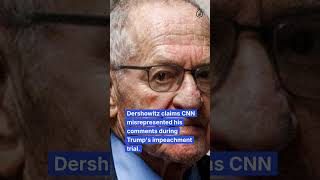
 Reference video
A video on the same topic from an external channel, separate from the reports analyzed here.
Supreme Court declines Alan Dershowitz defamation appeal
The court maintains the 'actual malice' legal standard.
Event Overview
The U.S. Supreme Court declined to hear a defamation lawsuit brought by attorney Alan Dershowitz against CNN. Dershowitz alleged CNN distorted his remarks during Donald Trump's 2020 impeachment trial regarding whether presidential quid pro quos for reelection are impeachable. The decision maintains the 1964 New York Times v. Sullivan precedent, which requires public figures to prove 'actual malice' to win defamation suits.
Issue Summary
Bias Distribution
Bias Signal Summary
Coverage Tone Distribution
· -Redder = higher bias. Larger area = more outlets. Click an outlet to jump to its position.
AI Analysis
Missing are the legal arguments presented by Alan Dershowitz regarding the specific nature of the alleged distortion and perspectives from legal scholars who argue that the 'actual malice' standard is outdated or overly protective of media errors.
Related Coverage
Coverage flow
Coverage volume
Focus shift
Story timeline
Recommended Reads
Two of the three outlets framed the ruling as a victory for press freedom and a safeguard against the weaponization of the law, while one viewed it as a routine application of established First Amendment standards.
The writer intends to frame the court's refusal as a victory for press freedom and a safeguard against the weaponization of defamation lawsuits by wealthy public figures.
The writer intends to present the court's decision as a routine application of existing First Amendment precedent, framing the lawsuit as an unsuccessful attempt to overturn established legal standards.
The writer intends to present the Supreme Court's decision as a preservation of a fundamental legal pillar, framing the outcome as a victory for press freedom while acknowledging the specific grievances of the petitioner.
Loading comments...