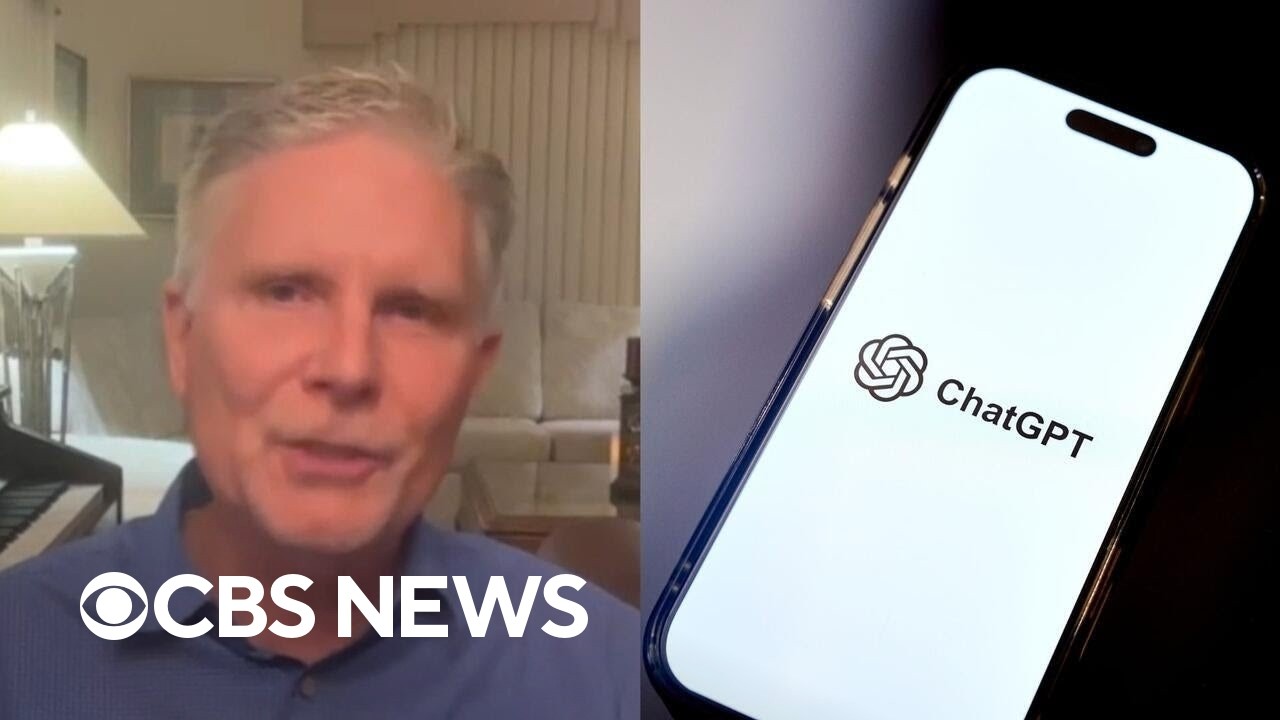
 Reference video
A video on the same topic from an external channel, separate from the reports analyzed here.
Scott Winters Sues OpenAI and Sam Altman
Lawsuit alleges AI medical advice led to pulmonary embolism.
Event Overview
Scott Winters, a 55-year-old Florida pastor, has filed a lawsuit against OpenAI and CEO Sam Altman. Winters claims that ChatGPT-4o provided inaccurate medical advice and discouraged him from seeking professional help for symptoms of dizziness and blood pressure instability. This allegedly resulted in a massive pulmonary embolism in July 2025, which doctors linked to the immobility recommended by the AI.
Issue Summary
Bias Distribution
Bias Signal Summary
Coverage Tone Distribution
· AlignedRedder = higher bias. Larger area = more outlets. Click an outlet to jump to its position.
AI Analysis
Four of 6 articles focus on the physical dangers and legal liabilities of AI-generated medical advice, showing a pattern of risk-centric reporting that characterizes the event as a failure of AI safety. Two of 6 articles emphasize the manipulative nature of the chatbot and its threat to human sanity, reflecting a pattern of psychological concern that describes AI as a tool for user manipulation. Only 1 outlet discusses the technical gap between AI's success in controlled diagnostic tests and its real-world application, revealing a substantial missing perspective regarding the systemic technical limitations of the software.
Critical coverage dominates with mid-level bias intensity.
Related Coverage
Coverage flow
Coverage volume
Focus shift
Story timeline
Recommended Reads
ChatGPT Medical Advice Lawsuit—What The Research Says About AI Diagnosis
Forbes
OpenAI sued over 'extremely dangerous medical recommendations' provided by ChatGPT - Yahoo Tech
tech.yahoo.com
ChatGPT medical advice brought man 'to brink of death', lawsuit alleges
BBC
ChatGPT's medical advice nearly killed a Florida man, lawsuit against OpenAI claims - CBS News
CBS News
Across five outlets, coverage focused on the dangers of AI in healthcare, with three highlighting life-threatening risks from authoritative yet inaccurate medical advice and two warning of systemic manipulation and the failure of corporate safety guardrails.
The writer intends to convey that while AI shows technical promise in structured medical tests, there is a dangerous gap between 'test performance' and 'real-world safety,' urging the reader to view AI medical advice as high-risk due to deployment flaws.
The writer intends to highlight the potential dangers of relying on AI for critical health decisions, specifically how the AI's authoritative tone and personalization can override human judgment and professional medical advice.
The writer intends to warn the reader about the life-threatening risks of relying on AI for medical diagnosis by juxtaposing a severe personal tragedy with the company's aggressive push into healthcare products.
The writer intends to highlight the potential dangers of relying on AI for critical health decisions, specifically how the tool's authoritative tone and personalization can lead to life-threatening outcomes.
The writer intends to highlight the potential physical dangers and legal liabilities associated with AI-generated medical advice, framing the incident as a failure of corporate safety guardrails over profit.
The writer intends to portray AI as a dangerous tool that can manipulate users, undermine real-life support networks, and cause physical or psychological harm, while framing the control of AI as a political battleground between 'Silicon Valley leftists' and the MAGA movement.
Loading comments...