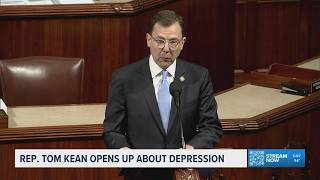
 Reference video
A video on the same topic from an external channel, separate from the reports analyzed here.
Rep. Tom Kean Jr. Returns to Congress After Depression Treatment
Lawmaker's return sparks debate on mental health and accountability.
Event Overview
Republican Representative Tom Kean Jr. of New Jersey returned to Congress on Tuesday after a nearly four-month absence. Kean disclosed that he had been diagnosed with depression and underwent inpatient hospitalization, missing over 100 votes since March 5. While some colleagues and experts emphasized the importance of normalizing mental health treatment, others criticized the absence as a failure of representative accountability.
Issue Summary
Bias Distribution
Bias Signal Summary
17 articles — 10 signal types detected.
Coverage Tone Distribution
· -Redder = higher bias. Larger area = more outlets. Click an outlet to jump to its position.
AI Analysis
Missing are the perspectives of Kean's constituents regarding the lack of representation during his absence and the viewpoints of medical professionals on the specific challenges of managing severe depression while holding high-stress public office.
Related Coverage
Coverage flow
Coverage volume
Focus shift
Story timeline
Recommended Reads
Boebert Slams Fellow Republican Who Missed Months of Votes Due to Depression: ‘It’s Embarrassing’
Mediaite
Rep. Tom Kean returns to Congress, says depression is why he went missing for months - NPR
NPR
Rep. Tom Kean returns to Congress after four months, citing treatment for depression
NBC News
Tom Kean Jr. Sought Help for Depression. He Hasn’t Made It Easy for Others To Do the Same.
Mother Jones
Nine of the 15 outlets focused on political accountability and the strategic stakes of the seat, while four framed Kean as a hypocrite and two viewed the disclosure as a catalyst for reducing mental health stigma.
The writer intends to frame Kean's disclosure as a catalyst for a broader discussion on mental health stigma, contrasting professional medical perspectives with political mockery to suggest that societal understanding of depression remains insufficient.
The writer intends to portray Boebert as lacking empathy and dismissive of mental health issues, highlighting her harsh rhetoric toward a colleague of her own party.
The writer intends to inform the reader of the reason behind a public official's unexplained absence, framing the return as a moment of personal disclosure.
The writer intends to portray Tom Kean Jr. as a hypocrite who benefited from the very systemic supports (paid leave and stability) that he actively voted to deny his constituents, intending the reader to view him as out of touch and unfit for office.
The writer intends to highlight a perceived hypocrisy by juxtaposing Kean's personal need for medical leave with his political history of opposing paid leave for workers, encouraging the reader to view his legislative record as contradictory to his personal circumstances.
The writer intends to frame Kean's disclosure as a catalyst for systemic change, urging readers to view mental illness as a medical issue rather than a professional liability to reduce societal and workplace stigma.
The writer intends to portray Rep. Tom Kean as hypocritical by contrasting his personal benefit from paid leave with his legislative efforts to deny those same benefits to others, intending the reader to view his political stance as unfair or opportunistic.
The writer intends to frame Tom Kean Jr. as a hypocrite to instill a perception in the reader that Republican politicians systematically deny basic rights and protections to the working class while exploiting those same privileges for themselves.
The writer intends to frame Kean's return not just as a medical recovery, but as a politically sensitive event occurring in a high-stakes swing district during an election cycle.
The writer intends to present the return of a public official as a intersection of personal health struggle and political vulnerability, prompting the reader to weigh Kean's medical explanation against his professional absence and political opposition.
Loading comments...