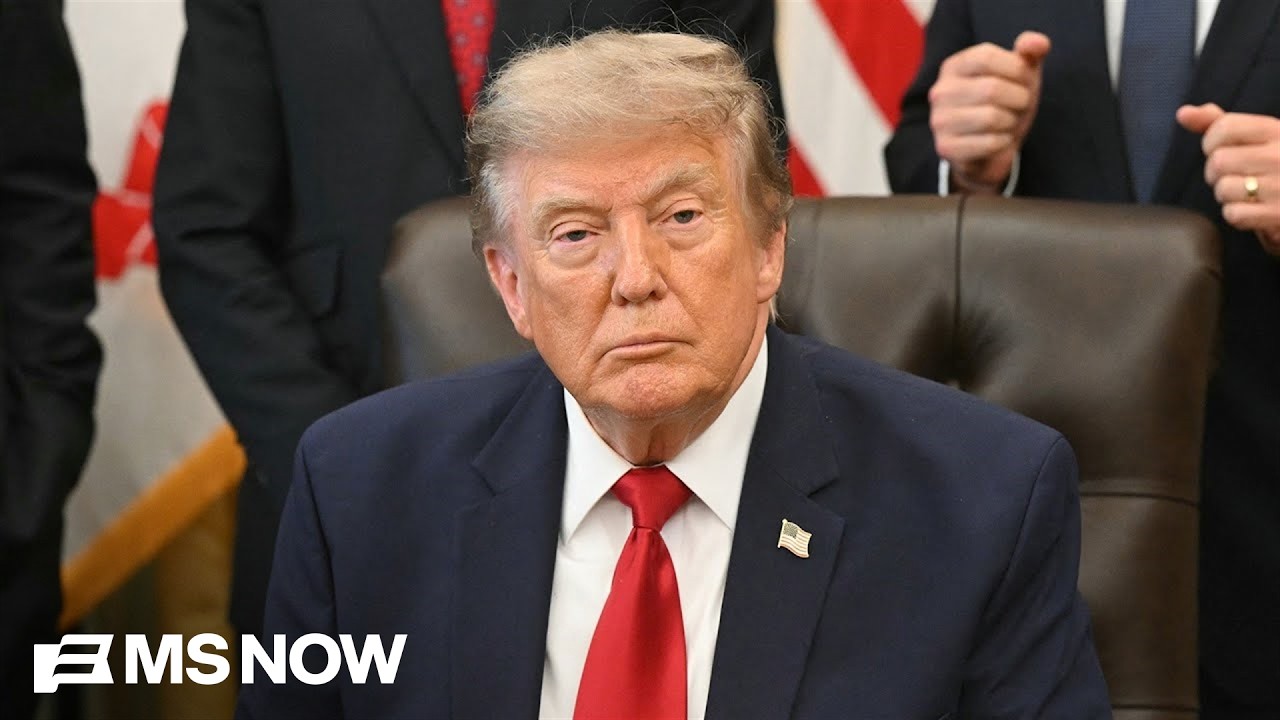
 Reference video
A video on the same topic from an external channel, separate from the reports analyzed here.
President Trump Reduces Utah National Monuments
Millions of acres of protected land are opened to development.
Event Overview
President Donald Trump signed executive orders and proclamations reducing the size of the Bears Ears and Grand Staircase-Escalante national monuments in Utah. The combined protected area was reduced from over 3.2 million acres to approximately 300,000 acres. Trump and Utah Governor Spencer Cox stated the move returns land to the people and corrects over-expansive designations. Tribal coalitions and conservationists criticized the action for threatening sacred sites and environmental preservation.
Issue Summary
Bias Distribution
Bias Signal Summary
7 articles — 4 signal types detected.
Coverage Tone Distribution
· -Redder = higher bias. Larger area = more outlets. Click an outlet to jump to its position.
AI Analysis
Missing perspectives include the specific viewpoints of local Utah residents and business owners who may be impacted by changes in tourism or land use. There is also a lack of detailed input from environmental scientists regarding the specific ecological consequences of the boundary reductions.
Related Coverage
Coverage flow
Coverage volume
Focus shift
Story timeline
Recommended Reads
President Trump drastically shrinks 2 Utah national monuments — again - The Salt Lake Tribune
sltrib.com
Trump reduces size of 2 national monuments in Utah as Republicans reshape land management - AP News
AP News
What to know about Trump shrinking 2 national monuments in Utah - PBS
PBS
What Is the Antiquities Act, and How Is the 120-Year-Old Law Being Tested by Trump?
TIME
Five of the seven outlets framed the action as a destructive or provocative loss of protected lands and indigenous heritage, while the remaining two viewed it as a recurring political conflict or a corrective measure for land rights and energy production.
The writer intends to frame Trump's action as a reversal of environmental and cultural protections in favor of commercial extraction, positioning the move as part of a broader 'war on the West' and a prioritization of industry over conservation and indigenous rights.
The writer intends to frame Trump's action as an attack on sacred indigenous lands and environmental conservation to benefit corporate interests in the oil, gas, and mining industries.
The writer intends to inform the reader of a significant reduction in protected land, using the word 'drastically' to signal the scale and impact of the action.
The writer intends to present the reduction of the monuments as a corrective measure to restore land rights and energy production, while framing the opposition as a conflict between cultural preservation and federal land utility.
The writer intends to frame Trump's action as a drastic 'slashing' of conservation efforts that prioritizes industrial interests over cultural and environmental heritage, intending to evoke a sense of loss and urgency in the reader.
The writer intends to present the reduction of the monuments as a recurring political conflict over land management, providing a balanced overview of the legal history and the competing interests of industry, state government, and indigenous preservation.
The writer intends to frame Trump's actions as a provocative legal test of presidential power that threatens cultural heritage and environmental preservation, while positioning the legal odds against the administration based on statutory interpretation.
Loading comments...