JUSTSUSS AI-powered press divergence analysis
5 outlets covered 2026.09.17 23:11 created · 09.19 11:58 updated
← Card Feed
Reference video

Philadelphia Police Investigate Eugene Horsch

Evidence found in a home links a suspect to missing women.

Event Overview

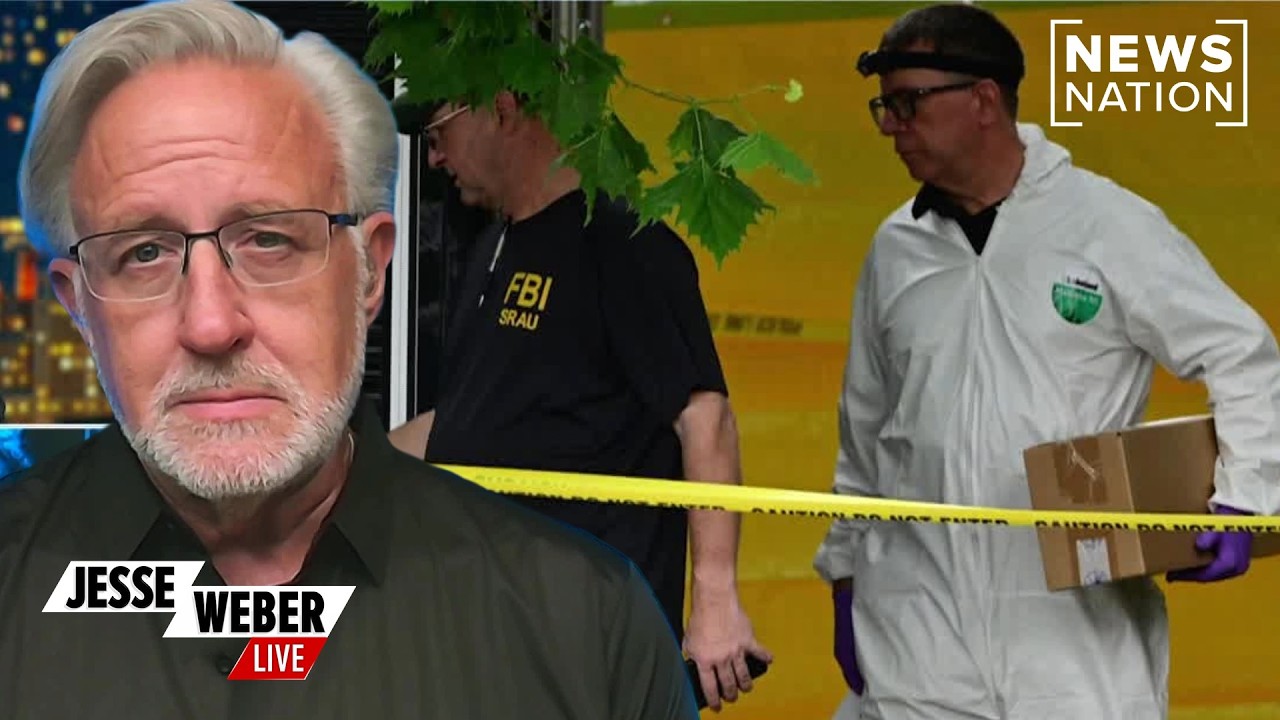
Investigators in Philadelphia discovered a basement lab and digital evidence in a residence described as a 'house of horrors' owned by Eugene Horsch and his deceased father, R.C. Horsch. The evidence includes photos and videos of 58 people, including several missing women who appear unconscious or lifeless, and police have recovered five urns believed to contain human remains.

Eugene Horsch is currently in federal custody on charges related to gun and counterfeit credentials. Former FBI agent J.J. Klaver has labeled Horsch a serial killer based on the evidence and his family history.
Source facts (10)
1.

Police found 1 million photos and videos in Eugene Horsch's Philadelphia home.

2.

Digital evidence shows five women who appear unconscious or lifeless.

3.

Eugene Horsch is in federal custody on gun and counterfeit credential charges.

4.

No homicide charges have been filed against Eugene Horsch because no bodies have been recovered.

5.

Eugene Horsch's late father was a pornographer allegedly involved in 'snuff films'.

6.

A basement lab was discovered in the Philadelphia residence.

7.

Former Bucks County police chief Robert Scafidi detailed a 2009 arrest of Raymond 'RC' Horsch, Eugene's father.

8.

During a 2009 raid on RC Horsch, police found a marijuana operation, firearms, and IDs of various females.

9.

A sealed safe exists in a former residence of RC Horsch that has not yet been searched by police.

10.

Former FBI agent J.J. Klaver asserts Eugene Horsch is a serial killer.

Message Distribution

gruesome horror Focusing on the gruesome nature of the crime scene to evoke horror 62%
5 articles
predator framing Framing the suspect as a definitive predator and criticizing investigative gaps 38%
3 articles
gruesome horror The writer intends to inform the reader about a disturbing and complex criminal investigation, instilling a sense of alarm and urgency regarding the potential discovery of a serial killer duo. 0%
0 articles
predator framing The writer intends to frame Eugene Horsch as a man born into and shaped by a disturbing environment of violence and criminality, suggesting a strong circumstantial link between his family history and the current 'house of horrors' investigation. 0%
0 articles

Editor's Analysis

The core issue is the gap between forensic certainty and legal admissibility. Law enforcement often finds digital footprints of atrocities long before they find physical remains. The legal system operates on a rigid hierarchy of evidence where a body is the gold standard for a homicide charge. Without a corpse, prosecutors often rely on lesser charges like weapons violations or fraud to keep a suspect detained. This structural lag allows predators to exploit the time it takes to process massive amounts of data. Predators frequently target marginalized individuals who do not have strong social safety nets to report their disappearance immediately. This invisibility provides a window of operation that lasts for years. The point of contention usually becomes whether digital imagery of a lifeless person constitutes proof of murder or merely a disturbing curiosity. Institutions prefer the safety of a guaranteed conviction on a minor charge over the risk of a failed murder trial. It is a system that prioritizes the cleanliness of the docket over the urgency of the crime. The law waits for a bone to be found while the digital ghost of the victim screams from a hard drive.

The media coverage splits between psychological profiling and historical patterns. Newsweek focuses on the profile of a serial killer by citing a former agent and the suspect's family history. CBS News leans into the visceral imagery of a house of horrors to emphasize the shock value of the basement lab. 6abc.com provides a unique angle by linking the current case to a 2009 arrest of the suspect's father, suggesting a multi-generational pattern of criminality. While these reports highlight the disturbing nature of the evidence, they largely ignore the structural failure of why the suspect is only held on gun and counterfeit charges. The press focuses on the 'who' and the 'how' of the horror rather than the 'why' of the legal inaction. They treat the lack of homicide charges as a procedural necessity rather than a systemic flaw. By centering the narrative on the suspect's perceived evil or family legacy, the outlets transform a failure of justice into a true-crime spectacle. They are more interested in the ghost stories of the basement than the bureaucratic inertia of the courthouse. The media consumes the gore but forgets to ask why the handcuffs are for fake IDs instead of murder.

Previous reports emphasized the suspect's family history and the visceral nature of the basement lab.

Recent coverage shifts toward the scale of the potential death toll and the physical evidence of remains. CBS News reports the discovery of five urns believed to contain human remains and links the home to the disappearance of at least five women. Fox News highlights that investigators found images of seven missing women and a video of a woman being zip-tied until unconscious.

This transition moves the narrative from a study of a disturbed individual to a criminal investigation of a mass casualty event. The press has stopped speculating on the suspect's psyche to count the potential bodies. They have traded the profile of a monster for a ledger of victims.

Recent coverage previously prioritized the count of victims and the discovery of physical remains.

The narrative has now shifted back to the suspect's upbringing, framing his current legal crisis as the inevitable result of his father's violent legacy. Newsweek suggests the suspect's life was a lifelong immersion in a world of eroticized death.

This move replaces the urgency of a mass casualty investigation with a psychological study of generational trauma. The press is retreating from the hard evidence of the crime scene to the comfort of a family tree. They find it easier to explain a monster through his father than to explain why the state cannot charge him for murder.

From family trauma to the business of snuff films

Recent coverage has pivoted from the suspect's psychological baggage to the commercialization of death. Fox News suggests the killings were not just the work of a disturbed man but a profit-driven enterprise involving underground networks.

This shift replaces the narrative of a family curse with the logic of a business model. The press is now more interested in the logistics of snuff film distribution than the legal void that prevents a murder charge.

By focusing on the profit motive and the specialized equipment used to dissolve bodies, the media has drifted even further from the core legal failure. They are treating the case as a dark curiosity of the underworld rather than a systemic collapse of the justice system. The reader is given a tour of a sadistic industry while the question of why the state cannot prosecute remains unanswered.

Coverage flow

Coverage volume

09/16 · 2
09/17 · 3
09/18 · 2
09/19 · 1

Focus shift

09/16
EU
1
A
1
09/17
EU
2
09/18
EU
2
09/19
A
1

Story timeline

09/16 Philadelphia Police probe Olney home
09/17 Investigators discover evidence in house of horrors
09/18 Police investigate Eugene Horsch
+10 more
09/19 Police investigate Horsch home

Recommended Reads

News Story

Story: Philadelphia Police Investigate Eugene Horsch

Card 1 of 3 in this story

Philadelphia Police Investigate Eugene Horsch
Sep 17 · 5 outlets · Viewing now
Where it started
FBI and Police Investigate Pornography Trove in Philadelphia
Sep 26 · 3 outlets
Bones recovered from Raymond Horsch's Philadelphia home
Oct 15 · 4 outlets
↳ Follows “Philadelphia Police Investigate Eugene Horsch”

Loading comments...