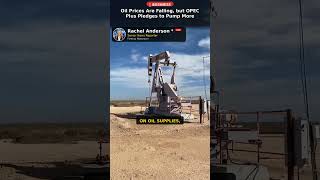
 Reference video
A video on the same topic from an external channel, separate from the reports analyzed here.
OPEC+ Increases Oil Production Quotas
Oil supply rises as geopolitical tensions in the Gulf ease.
Event Overview
OPEC+ has agreed to increase oil production by 188,000 barrels per day starting in August. This decision follows a recovery of exports through the Strait of Hormuz and an interim deal between the U.S. and Iran to end fighting and lift port blockades. Consequently, oil prices have dropped to approximately $72 per barrel, influenced by easing tensions and weak demand in China.
Issue Summary
Bias Distribution
Bias Signal Summary
Coverage Tone Distribution
· -Redder = higher bias. Larger area = more outlets. Click an outlet to jump to its position.
AI Analysis
Coverage is missing the perspective of Chinese economic analysts regarding the specific drivers of weak demand and the viewpoints of environmental advocates concerning the implications of increased fossil fuel production.
Related Coverage
Related Cards
Coverage flow
Coverage volume
Focus shift
Story timeline
Recommended Reads
OPEC+ approves further oil output increase as Strait of Hormuz exports recover
NY Post
7 OPEC+ countries agree to expand monthly oil production modestly as prices slide
PBS
Oil prices hover near pre-conflict levels as OPEC+ boosts output again - Fox Business
foxbusiness.com
While two of the three outlets expressed an optimistic view of market stabilization and normalization, one maintained a cautious outlook, emphasizing continued energy instability.
The writer intends to present the oil market as stabilizing and returning to pre-war norms through a combination of OPEC+ policy adjustments and diplomatic resolutions between Washington and Tehran.
The writer intends to present the production increase as a cautious response to falling prices and geopolitical stabilization, while simultaneously reminding the reader that significant energy instability and high consumer costs persist despite the interim peace deal.
The writer intends to convey a sense of market stabilization and normalization, suggesting that the geopolitical volatility associated with the U.S.-Israeli-Iranian conflict is receding and being replaced by standard supply-demand dynamics.
Loading comments...