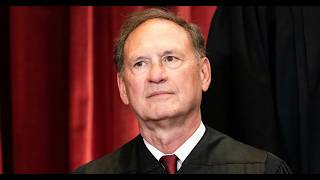
 Reference video
A video on the same topic from an external channel, separate from the reports analyzed here.
NPR Retracts False Report on Justice Samuel Alito Retirement
Veteran journalist mishears court announcement, sparking retraction.
Event Overview
NPR published a story by correspondent Nina Totenberg falsely stating that Supreme Court Justice Samuel Alito was retiring. The error occurred after Totenberg misheard Chief Justice John Roberts' mention of 'retirement announcements' and communicated this to executive editor Krishnadev Calamur, who published a pre-written profile of Alito. NPR retracted the story approximately 15 minutes later and issued an Editor's Note. Totenberg subsequently apologized publicly and sent a personal letter of apology to Justice Alito.
Issue Summary
Bias Distribution
Bias Signal Summary
8 articles — 8 signal types detected.
Coverage Tone Distribution
· -Redder = higher bias. Larger area = more outlets. Click an outlet to jump to its position.
AI Analysis
Missing perspectives include the viewpoint of Justice Samuel Alito regarding the error and the perspective of legal scholars on how such misinformation impacts public perception of the Supreme Court.
Related Coverage
Coverage flow
Coverage volume
Focus shift
Story timeline
Recommended Reads
NPR discusses error in reporting on the last day of the Supreme Court term
NPR
A Tough Day for NPR
The Atlantic
NPR retracts ‘inaccurate’ story saying supreme court justice Samuel Alito retiring
The Guardian
NPR reveals how a misheard announcement led to it falsely claiming Justice Alito was retiring
Fox News
Coverage was split between four outlets focusing on NPR's failures—with two portraying the organization as habitually unethical and two highlighting systemic reporting errors—while the remaining two outlets analyzed the broader decline of traditional journalism or emphasized the need for organizational accountability.
The writer intends to convey that the most alarming part of NPR's mistake is not the error itself, but the public's indifference to it, signaling a decline in the relevance of traditional journalistic standards in a cynical, low-trust era.
The writer intends to highlight a significant professional failure by a veteran NPR journalist and the organization's rapid dissemination of unverified information, intending the reader to perceive NPR as prone to careless reporting.
The writer intends to portray NPR as a transparent and accountable organization that takes ownership of its mistakes to maintain audience trust.
The writer intends to portray the incident as a significant journalistic failure caused by a combination of mishearing information and the premature publication of a pre-prepared 'bombshell' story.
The writer intends to highlight a significant professional failure by a legacy media outlet (NPR), framing it as a result of rushing to publish and a lack of verification, thereby undermining the outlet's credibility.
The writer intends to portray Nina Totenberg not as a veteran journalist who made a one-time mistake, but as a habitually unreliable and unethical reporter. The goal is to instill a perception of systemic untrustworthiness regarding Totenberg and, by extension, NPR's journalistic standards.
The writer intends to highlight a significant journalistic failure by NPR, framing the outlet as unreliable by emphasizing the 'erroneous' nature of the report and the lack of explanation for the mistake.
The writer intends to portray NPR as prone to significant reporting errors and argues that the outlet lacks transparency regarding its internal failures, intending the reader to view NPR's journalistic reliability with skepticism.
Loading comments...