 Reference video
A video on the same topic from an external channel, separate from the reports analyzed here.
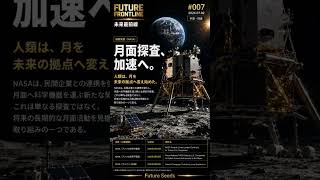
NASA Awards Lunar Lander Contracts to Private Companies
NASA is leveraging private industry to build a moon base.
Event Overview
NASA has awarded nearly $600 million in contracts to Astrobotic, Firefly Aerospace, and Intuitive Machines for lunar payload delivery missions. These contracts are part of a larger project to establish a permanent human presence on the moon, with some estimates placing the total project cost at $20 billion to $30 billion. The strategy emphasizes commercial partnerships and the use of upgraded existing vehicle designs to meet goals by late 2028.
Issue Summary
Bias Distribution
Bias Signal Summary
Coverage Tone Distribution
· -Redder = higher bias. Larger area = more outlets. Click an outlet to jump to its position.
AI Analysis
Missing perspectives include the financial and ethical critiques regarding the high project cost and the viewpoints of the private contractors tasked with executing these missions. There is also a lack of scientific analysis concerning the long-term viability and environmental impact of a permanent lunar settlement.
Related Coverage
Coverage flow
Coverage volume
Focus shift
Story timeline
Recommended Reads
NASA barrels ahead with moon base plans, doling out nearly $600 million in new contracts - NBC News
NBC News
NASA makes moves to dodge costly delays on its path to build a $30 billion moon base - CNN
CNN
NASA awards 3 companies lunar lander contracts to help with moon base program
CBS News
Two outlets offered contrasting views on NASA's lunar project: one framed it as a high-stakes geopolitical race with risky private-sector reliance, while the other highlighted it as tangible progress driven by private industry partnerships.
The writer intends to portray NASA as being in a state of aggressive, high-momentum acceleration toward a permanent lunar presence, emphasizing the agency's strategic shift toward commercial reliance and rapid deployment.
The writer intends to portray NASA's moon base project as an ambitious, high-stakes geopolitical race against China that is currently characterized by a precarious reliance on volatile private-sector partnerships and unresolved technical challenges.
The writer intends to inform the reader that NASA is making tangible progress toward its goal of building a lunar base by engaging private industry.
Loading comments...