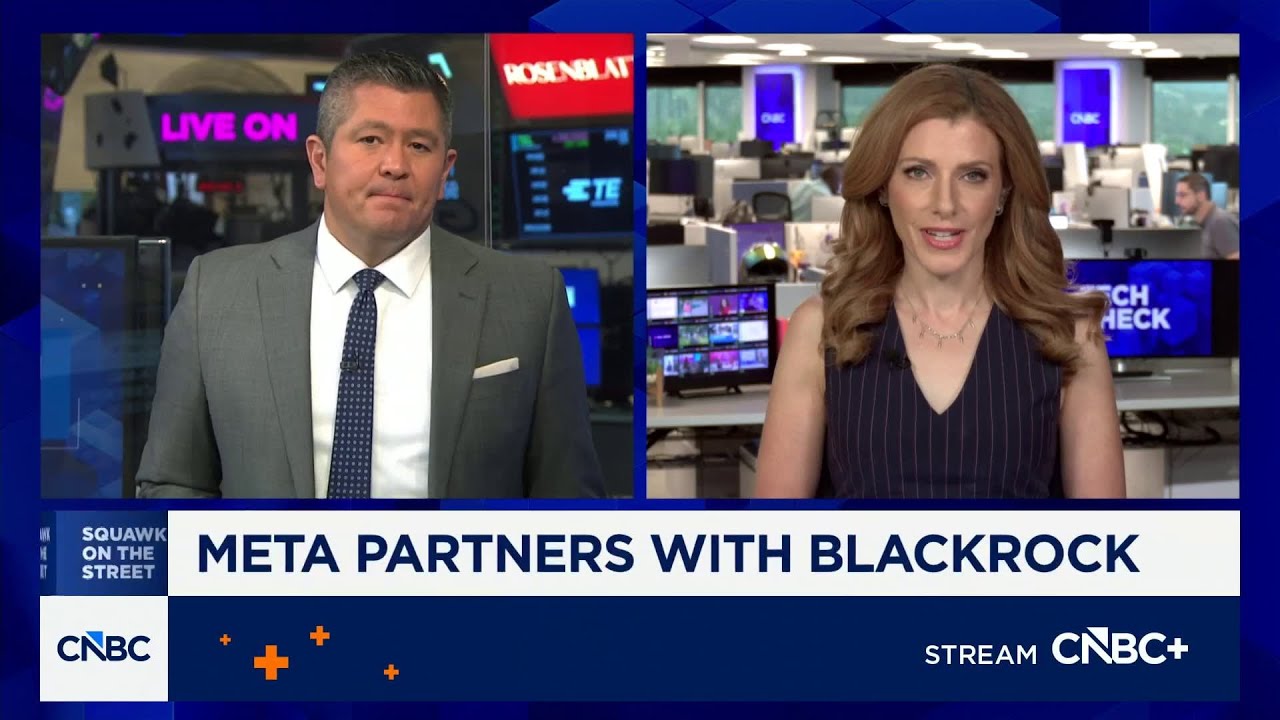
 Reference video
A video on the same topic from an external channel, separate from the reports analyzed here.
Meta Reports Q2 Earnings and Increases AI Spending
Massive AI investments spark investor anxiety over returns.
Event Overview
Meta reported Q2 financial results featuring revenue that beat estimates but earnings per share that fell short. The company announced an increased annual spending plan of $130 billion to $145 billion, primarily focused on AI infrastructure. Following these reports, Meta's stock price dropped between 8% and 11%. CEO Mark Zuckerberg defended the expenditure, stating AI is accelerating the core business.
Issue Summary
Bias Distribution
Bias Signal Summary
16 articles — 6 signal types detected.
Coverage Tone Distribution
· ConflictRedder = higher bias. Larger area = more outlets. Click an outlet to jump to its position.
AI Analysis
All 4 articles mentioning the AI spending plan highlight the tension between Zuckerberg's optimism and investor skepticism, showing a pattern of framing the expenditure as a risky gamble or a PR shield, which characterizes the coverage as primarily skeptical of the company's strategic pivot. 2 of 6 articles focus on the discrepancy between revenue beats and earnings misses, establishing a pattern of financial volatility that describes the coverage as focused on short-term market reactions. Only 1 outlet discusses the specific impact of AI on operational growth and user base expansion, revealing a substantial missing perspective regarding the actual technical efficacy of AI integration across the majority of the coverage.
Critical coverage dominates with moderate intensity.
Related Coverage
Coverage flow
Coverage volume
Focus shift
Story timeline
Recommended Reads
Meta's AI splurge lays bare its compute conundrum - Reuters
Reuters
Sell it or keep it? Google and Meta's AI compute quandary
Business Insider
Mark Zuckerberg predicts that billions of people will have personal AI agents in five years - techcrunch.com
techcrunch.com
Meta reports second-quarter results after the close
CNBC
Three of the six outlets framed AI spending as a high-risk financial gamble, while the remaining three focused on the tension between operational growth, investor anxiety, and the use of AI as a deceptive PR shield.
The writer intends to frame Meta's current position as a high-stakes gamble, suggesting that while the company is growing, its aggressive spending may be disconnected from investor confidence and broader macroeconomic instability.
The writer intends to frame Meta's current financial state as a precarious transition where the company is sacrificing its lucrative cash-stockpiling model to gamble on AI 'intelligence,' leaving it vulnerable compared to rivals who monetize their infrastructure via cloud services.
The writer intends to frame Meta's stock decline as a temporary valuation correction rather than a fundamental failure, encouraging the reader to view the dip as a buying opportunity ('accumulate') based on its cheaper P/E ratio compared to peers.
The writer intends to convince the reader that the recent stock price drop is a temporary 'accounting-driven' anomaly rather than a fundamental business decline, encouraging investors to view the dip as a buying opportunity.
The writer intends to present Meta's financial results as a mixed bag—missing on profit but beating on revenue—to guide the reader toward using the Zacks Rank tool for future investment decisions.
The writer intends to instill a sense of financial uncertainty regarding Meta's AI strategy, framing the company's massive spending as a speculative risk despite current profits, ultimately steering the reader toward diversified investment products.
Loading comments...