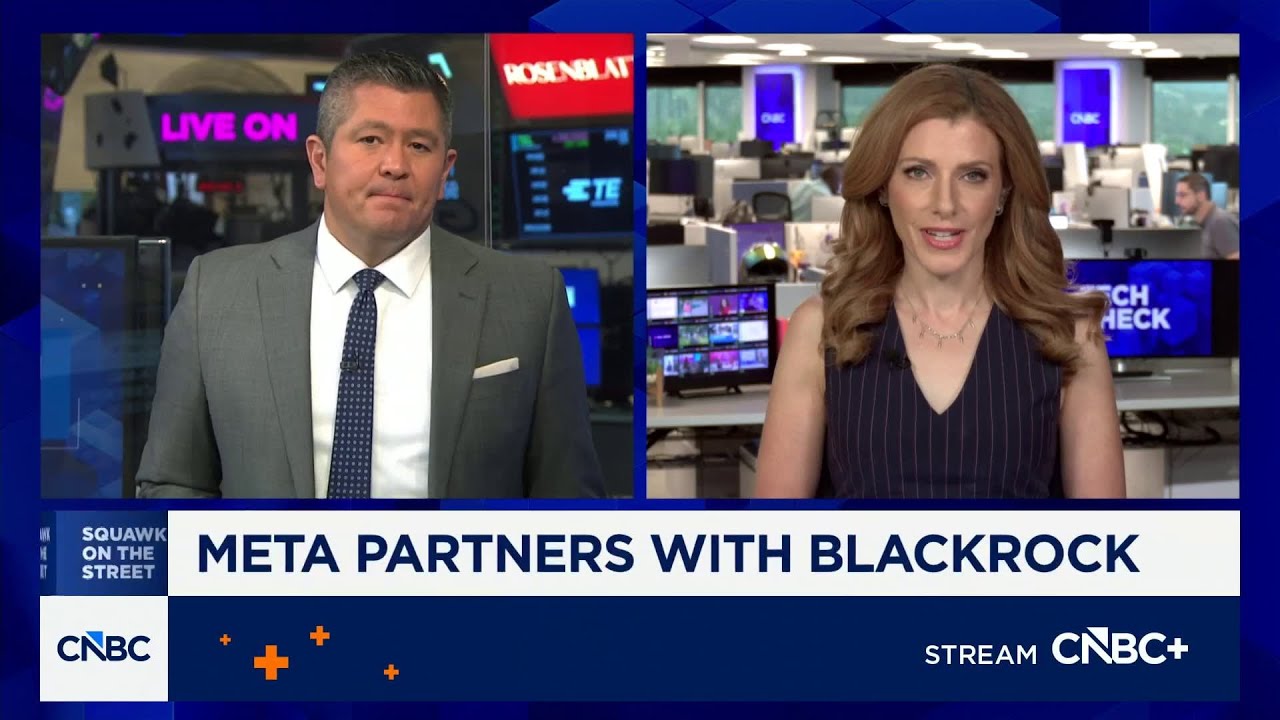
 Reference video
A video on the same topic from an external channel, separate from the reports analyzed here.
Meta Reports Q2 Earnings and Increases AI Spending
Massive AI investments spark investor anxiety over returns.
Event Overview
Meta reported Q2 financial results featuring revenue that beat estimates but earnings per share that fell short. The company announced an increased annual spending plan of $130 billion to $145 billion, primarily focused on AI infrastructure. Following these reports, Meta's stock price dropped between 8% and 11%. CEO Mark Zuckerberg defended the expenditure, stating AI is accelerating the core business.
Issue Summary
Bias Distribution
Bias Signal Summary
16 articles — 6 signal types detected.
Coverage Tone Distribution
· ConflictRedder = higher bias. Larger area = more outlets. Click an outlet to jump to its position.
AI Analysis
All 4 articles mentioning the AI spending plan highlight the tension between Zuckerberg's optimism and investor skepticism, showing a pattern of framing the expenditure as a risky gamble or a PR shield, which characterizes the coverage as primarily skeptical of the company's strategic pivot. 2 of 6 articles focus on the discrepancy between revenue beats and earnings misses, establishing a pattern of financial volatility that describes the coverage as focused on short-term market reactions. Only 1 outlet discusses the specific impact of AI on operational growth and user base expansion, revealing a substantial missing perspective regarding the actual technical efficacy of AI integration across the majority of the coverage.
Critical coverage dominates with moderate intensity.
Related Coverage
Coverage flow
Coverage volume
Focus shift
Story timeline
Recommended Reads
Meta's AI splurge lays bare its compute conundrum - Reuters
Reuters
Sell it or keep it? Google and Meta's AI compute quandary
Business Insider
Mark Zuckerberg predicts that billions of people will have personal AI agents in five years - techcrunch.com
techcrunch.com
Meta reports second-quarter results after the close
CNBC
Three of the six outlets framed AI spending as a high-risk financial gamble, while the remaining three focused on the tension between operational growth, investor anxiety, and the use of AI as a deceptive PR shield.
The writer intends to portray Meta as being in a precarious financial position where it is spending like a cloud provider without having the corresponding business infrastructure to monetize those assets, thereby instilling a sense of risk and uncertainty in the reader regarding Meta's AI strategy.
The writer intends to frame the AI boom not just as a race for capability, but as a precarious financial and strategic balancing act where short-term revenue conflicts with long-term survival.
The writer intends to contrast Zuckerberg's optimistic vision of a ubiquitous AI agent future with the stark financial reality of Meta's current spending and losses, leaving the reader skeptical about the company's fiscal sustainability.
The writer intends to frame Meta's current AI trajectory as a high-risk gamble, leaving the reader skeptical about whether the company's massive spending will ever translate into a sustainable financial return.
The writer intends to frame Meta's AI strategy as a risky gamble that lacks immediate financial justification, contrasting it with Microsoft's more successful integration of AI spending and profit growth to highlight Meta's specific instability.
The writer intends to convey a tension between Meta's operational growth (user base and ad revenue) and the financial anxiety of investors regarding the massive, costly bet on AI infrastructure. The reader is expected to perceive Meta as a company in a high-stakes transition where long-term AI ambition is currently clashing with short-term profit expectations.
The writer intends to frame Meta's upcoming earnings report as a critical test of whether the company's massive AI spending is a strategic necessity or a financial risk, leaving the reader skeptical about the stock's short-term performance.
The writer intends to frame Meta's AI strategy as a high-risk 'gamble' that is currently alarming investors due to the disconnect between massive spending and immediate financial returns.
The writer intends to persuade the reader that Meta's pursuit of AI is a strategic blunder and a waste of capital, urging a return to its dominant social media core to protect profitability.
The writer intends to portray Mark Zuckerberg's AI optimism as a strategic but insufficient PR shield designed to distract investors and the public from poor financial performance and systemic trust failures.
Loading comments...