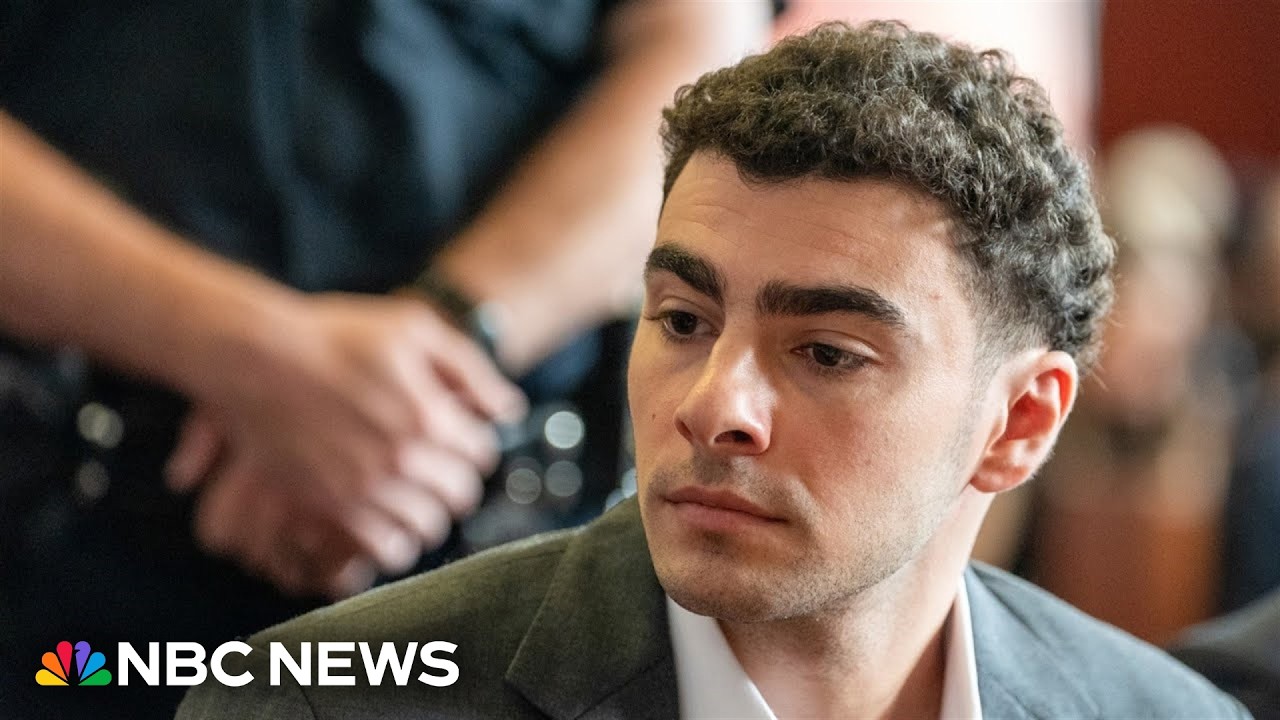
 Reference video
A video on the same topic from an external channel, separate from the reports analyzed here.
Luigi Mangione Pleads Guilty to Federal Charges
Defendant admits to killing UnitedHealthcare CEO.
Event Overview
Luigi Mangione pleaded guilty in federal court to charges of interstate stalking resulting in death for the killing of UnitedHealthcare CEO Brian Thompson. Mangione admitted to posing as an investor to track Thompson and using a 3D-printed gun to commit the crime, citing frustrations with the healthcare system. While he faces a maximum sentence of life in prison, his defense has filed a motion to dismiss pending state murder charges in New York based on double jeopardy.
Issue Summary
Bias Distribution
Bias Signal Summary
Coverage Tone Distribution
· AlignedRedder = higher bias. Larger area = more outlets. Click an outlet to jump to its position.
AI Analysis
All 3 articles focus on the federal guilty plea and the subsequent legal battle over double jeopardy, establishing a pattern of prioritizing judicial procedure over the crime's specifics, which characterizes the coverage as legally centric. 2 of 3 articles highlight Mangione's motivations regarding the healthcare system, creating a pattern of linking the crime to systemic frustration, which describes the coverage as context-driven. Only 1 outlet mentions the use of a 3D-printed gun, revealing a pattern of omitting the technical methods of the crime, which represents a substantial missing perspective regarding the weapon's origin and legality.
Critical coverage dominates with mid-level bias intensity.
Related Coverage
Related Cards
Coverage flow
Coverage volume
Focus shift
Story timeline
Recommended Reads
Luigi Mangione is expected to plead guilty to federal charges, sources tell NBC News
NBC News
AP report: Luigi Mangione expected to plead guilty in federal case over CEO killing
PBS
Luigi Mangione admits to shooting UnitedHealthcare CEO: 'I knew what I was doing'
Business Insider
Luigi Mangione pleads guilty in UnitedHealthcare CEO Brian Thompson murder case
Washington Examiner
While 9 of the 17 outlets focused primarily on legal procedures and jurisdictional updates, 5 framed the plea as a matter of definitive accountability for a heinous crime, and 3 analyzed the tension between legal guilt and ideological motivations.
The writer intends to convey the definitive nature of the defendant's admission, ensuring the reader perceives the crime as intentional and the perpetrator as cognizant of his actions.
The writer intends to inform the reader of a significant legal shift in the case, framing the guilty plea as a strategic legal maneuver by the defense to avoid state murder charges.
The writer intends to inform the reader of a significant legal development in a high-profile killing, framing the event as a transition from a pending trial to a guilty plea and a subsequent legal battle over double jeopardy.
The writer intends to inform the reader of a critical legal development while highlighting the tension between the legal process and the polarized public perception of the crime.
The writer intends to present the guilty plea as a definitive step toward legal accountability and justice for the victim's family, while framing the act as a violent crime rather than a political statement.
The writer intends to provide a factual update on the legal proceedings of a high-profile murder case, framing it as a complex jurisdictional conflict between state and federal prosecutions while noting the societal debate the crime sparked.
The writer intends to provide a descriptive, atmospheric account of the courtroom proceedings to convey the gravity and finality of the admission of guilt, while humanizing the scene through the reactions of the victim's family and the defendant's demeanor.
The writer intends to inform the reader about the legal conflict between state and federal prosecutions, framing the double jeopardy claim as a strategic defense move that legal experts believe is unlikely to succeed.
The writer intends to present the guilty plea as a definitive resolution of guilt and a victory for the justice system, ensuring the reader views the act as a 'heinous' crime and the perpetrator as fully accountable.
The writer intends to present the guilty plea as a definitive step toward legal accountability for a 'heinous act' while acknowledging the broader social tension regarding the healthcare industry that motivated the crime.
Loading comments...