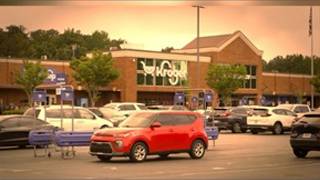
 Reference video
A video on the same topic from an external channel, separate from the reports analyzed here.
Kroger to Acquire Giant Eagle
Kroger expands regional footprint in $1.65 billion deal.
Event Overview
Kroger has agreed to acquire Giant Eagle for $1.65 billion, consisting of $1.25 billion in cash and $400 million in assumed liabilities. The deal, expected to close in 2027 pending regulatory approval, involves a chain of 197 supermarkets and 11 pharmacies across five states. Kroger intends to maintain the Giant Eagle brand, banners, and its Cranberry Township headquarters. Some store divestitures are expected to satisfy antitrust regulators.
Issue Summary
Bias Distribution
Bias Signal Summary
4 articles — 2 signal types detected.
Coverage Tone Distribution
· -Redder = higher bias. Larger area = more outlets. Click an outlet to jump to its position.
AI Analysis
Missing perspectives include the viewpoints of antitrust regulators regarding market competition and the concerns of Giant Eagle employees regarding potential job losses or corporate restructuring.
Related Coverage
Coverage flow
Coverage volume
Focus shift
Story timeline
Recommended Reads
What to know about the Giant Eagle and Kroger grocery and pharmacy merger - 90.5 WESA
wesanews.org
Kroger to buy grocer Giant Eagle in $1.65 billion deal as competition heats up - Reuters
Reuters
Kroger is Buying Giant Eagle: What Shoppers Need to Know
Newsweek
Analysis of the two outlets reveals a split in perspective, with one expressing cautious skepticism toward corporate promises and historical stability, while the other focuses on strategic growth and consumer stability.
The writer intends to provide a practical guide for local consumers to alleviate anxiety about the merger by answering common questions, while subtly introducing skepticism regarding corporate job security.
The writer intends to present the acquisition as a strategic survival and growth move by Kroger to combat intense competition and shifting consumer habits in a challenging economic environment.
The writer intends to instill a sense of cautious skepticism in the reader, suggesting that the corporate promises of stability and continuity should be weighed against the historical reality of post-merger consolidation and reduced competition.
The writer intends to reassure anxious consumers that their immediate shopping experience will remain unchanged while framing the acquisition as a strategic, manageable expansion rather than a problematic monopoly.
Loading comments...