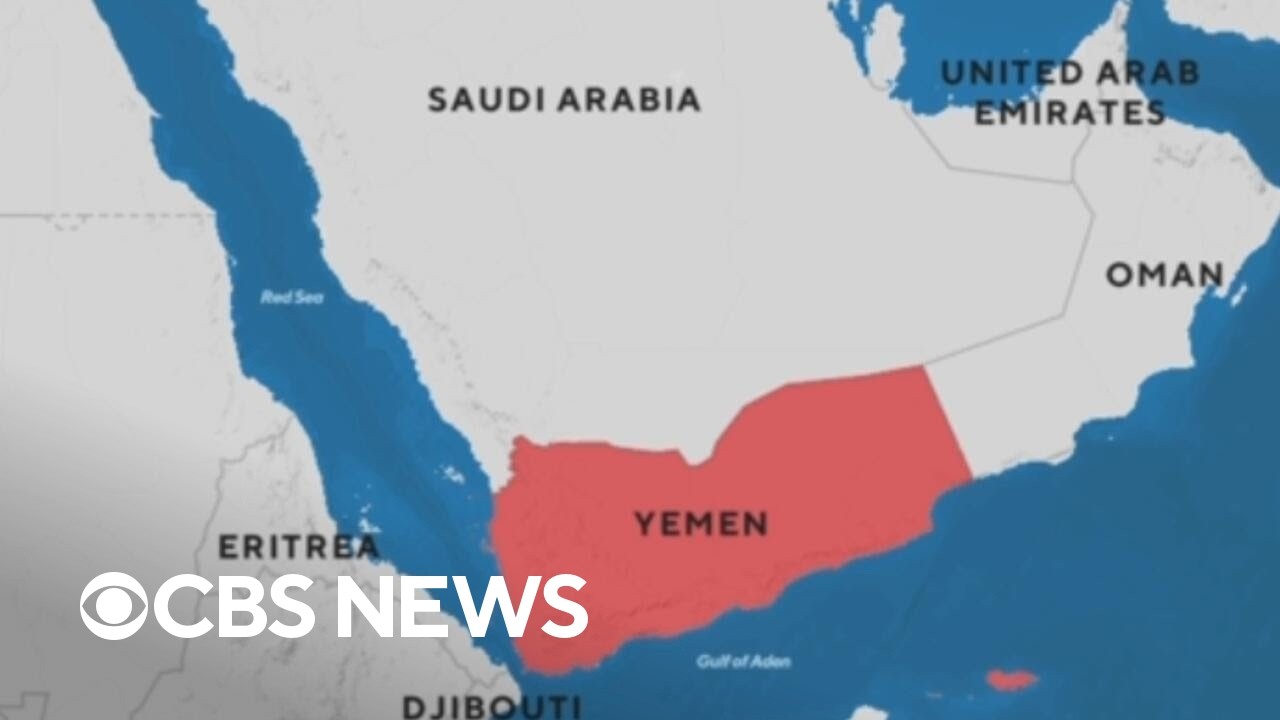
 Reference video
A video on the same topic from an external channel, separate from the reports analyzed here.
Houthi Rebels Attack Saudi Refinery and Yemeni Port
Attacks signal regional escalation and diplomatic deadlock.
Event Overview
Houthi rebels claimed drone and missile attacks on a Saudi Aramco refinery in Jazan and the Yemeni port city of Mokha. The strikes resulted in casualties, including reports of 11 deaths in Mokha, and caused a fire at the refinery. These actions coincide with a maritime blockade and a broader diplomatic standoff between Iran and the United States over the Strait of Hormuz.
Issue Summary
Bias Distribution
Bias Signal Summary
8 articles — 4 signal types detected.
Coverage Tone Distribution
· AlignedRedder = higher bias. Larger area = more outlets. Click an outlet to jump to its position.
AI Analysis
All 6 articles report on the Houthi attacks on the Saudi Aramco refinery and Mokha, establishing a pattern of linking these strikes to Iranian regional aggression, which characterizes the coverage as focused on geopolitical escalation. In 2 of 6 articles, the narrative emphasizes the effectiveness of the U.S. naval blockade and economic pressure, creating a pattern of strategic validation that describes the coverage as centered on U.S. containment efforts. No articles address the humanitarian impact on Yemeni civilians or the internal motivations of the Houthi rebels, revealing a pattern of omission that identifies a substantial missing perspective regarding the local human cost.
Critical coverage dominates with mid to high bias intensity.
Related Coverage
Coverage flow
Coverage volume
Focus shift
Story timeline
Recommended Reads
Saudi Aramco extinguishes fire at refinery as Houthis claim responsibility
CNBC
Iran-aligned Houthis claim they attacked oil refinery in Saudi Arabia - The Guardian
The Guardian
Yemen's Houthis claim attack on Aramco oil facility in Saudi Arabia, and other Middle East news - NPR
NPR
Yemen’s Houthis target Saudi Aramco facility amid Iran war - Fox News
Fox News
Three of the four outlets focused on regional instability driven by energy leverage and volatile escalation, while one outlet highlighted the effectiveness of U.S. economic pressure against the Iranian regime.
The writer intends to frame the refinery fire not as an isolated incident, but as a symptom of broader, volatile regional instability involving Iran, the U.S., and the strategic control of global energy transit.
The writer intends to convey a sense of regional instability and escalating tension, presenting a landscape of fragmented conflicts and stalled diplomacy across the Middle East.
The writer intends to convey a sense of regional instability and escalating tension, presenting a landscape where military strikes, diplomatic deadlocks, and urgent arms procurement are occurring simultaneously.
The writer intends to portray the Houthi attacks as part of a wider, escalating regional instability driven by Iran's influence and the collapse of diplomatic accords, leaving the reader with a sense of increasing volatility in the Red Sea region.
The writer intends to portray a region in a state of volatile escalation where Iranian-aligned proxies and the Iranian state are using energy infrastructure and strategic waterways as leverage against the US and its regional allies.
The writer intends to portray the U.S. strategy of economic pressure as highly effective and the Iranian regime as unstable, economically desperate, and morally compromised, thereby validating the current administration's 'squeeze' approach.
The writer intends to present the Houthi attacks as a destabilizing force that threatens both Yemeni infrastructure and Saudi energy security, framing the group as an aggressor that requires an international response.
The writer intends to frame the Houthi attacks as part of a broader, escalating regional conflict involving Iran, the U.S., and Israel, while highlighting Saudi Arabia's strategic move to build a collective defense alliance to counter such threats.
Loading comments...