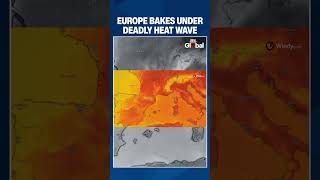
 Reference video
A video on the same topic from an external channel, separate from the reports analyzed here.
European governments deploy emergency heatwave measures
Extreme heat in Europe is linked to climate change.
Event Overview
European governments have deployed emergency measures, including alcohol bans, to mitigate public health risks during extreme heat. WWA scientists attribute these heatwaves to climate change and fossil fuel emissions, noting unprecedented heat stress across 850 cities. Research indicates that ocean cooling, or a 'cold blob,' exacerbates these events by affecting atmospheric circulation and the jet stream.
Issue Summary
Bias Distribution
Bias Signal Summary
Coverage Tone Distribution
· -Redder = higher bias. Larger area = more outlets. Click an outlet to jump to its position.
AI Analysis
Missing perspectives include the economic impact of emergency measures on local businesses and the specific viewpoints of the populations most affected by these public health risks.
Related Coverage
Coverage flow
Coverage volume
Focus shift
Story timeline
Recommended Reads
Two of the three outlets issued urgent alarms regarding the direct causal link between climate change and extreme weather, while one provided a critical analysis of infrastructure deficits.
The writer intends to convey that Europe is currently ill-equipped for extreme heat due to infrastructure deficits and that these escalating crises are a direct consequence of human-induced climate change.
The writer intends to convey that climate change creates paradoxical effects—such as ocean cooling—that actually intensify extreme weather, aiming to instill a sense of urgency and alarm regarding the instability of global ocean currents.
The writer intends to instill a sense of urgency and alarm regarding the direct causal link between fossil fuel emissions and extreme weather, framing the current heat wave as an unprecedented crisis that necessitates immediate systemic change and infrastructure adaptation.
Loading comments...