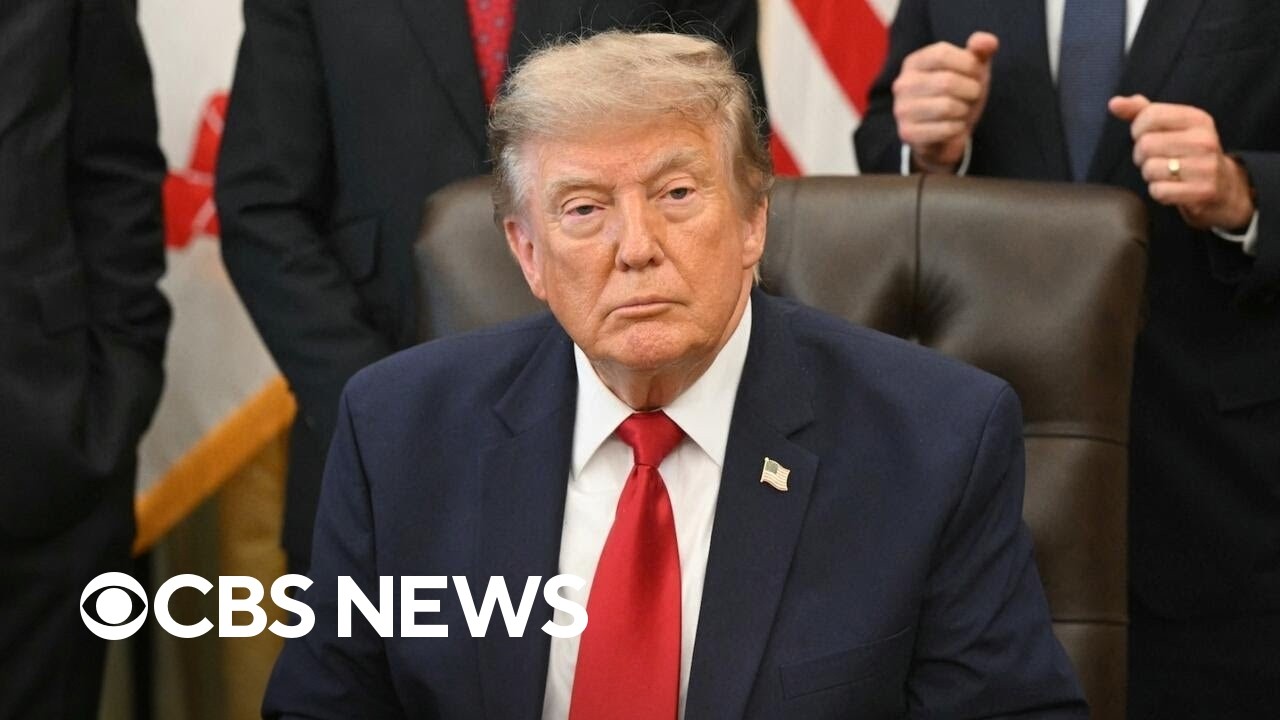
 Reference video
A video on the same topic from an external channel, separate from the reports analyzed here.
Trump Administration Limits F-1 and Other Visa Durations
New rules cap international student stays at four years.
Event Overview
The Trump administration's Department of Homeland Security (DHS) has finalized a rule replacing the 'duration of status' policy with a general four-year cap for F-1 student and J exchange visitor visas. The rule reduces the post-graduation grace period from 60 to 30 days and implements time limits for foreign journalists, including a 90-day limit for Chinese nationals. DHS justifies these changes as necessary to address national security, visa fraud, and the practice of perpetual enrollment to avoid leaving the U.S.
Issue Summary
Bias Distribution
Bias Signal Summary
9 articles — 4 signal types detected.
Coverage Tone Distribution
· -Redder = higher bias. Larger area = more outlets. Click an outlet to jump to its position.
AI Analysis
Missing are the perspectives of the Department of Homeland Security and proponents of the rule, specifically regarding the national security justifications and the prevention of visa fraud. There is also a lack of input from the foreign journalists and Chinese nationals directly impacted by the new time limits.
Related Coverage
Coverage flow
Coverage volume
Focus shift
Story timeline
Recommended Reads
Trump administration caps how long international students can stay in the US
ABC News
Trump administration tightens visa rules for foreign students
BBC
Trump limits length of visas for students, exchange visitors, journalists - Al Jazeera
Al Jazeera
New rule caps foreign student visas at four years, jolting California campuses
LA Times
Of the six outlets analyzed, three focused on how the restrictive rules harm higher education and global competitiveness, while two framed the changes as a systematic effort to reduce foreign presence. One outlet highlighted the impracticality and economic risks of the rules based on legal warnings.
The writer intends to frame the new rule as a restrictive measure that contradicts the interests of the U.S. higher education system and global talent competition, positioning the administration's 'security' justification against the practical and economic concerns of academic institutions.
The writer intends to present the new visa restrictions as part of a systemic 'crackdown' on immigration, framing the administration's security justifications against the warnings of academic and advocacy groups regarding the US's global attractiveness.
The writer intends to present the new visa rules as a disruptive shift that prioritizes security and immigration restriction over the practical needs of higher education and research.
The writer intends to present the new visa rules as a disruptive shift that prioritizes security and immigration restriction over the practical needs of international students and academic institutions.
The writer intends to present the visa restrictions as part of a systematic pattern of the Trump Administration's efforts to reduce foreign presence in the U.S., while contrasting the government's security justification with the practical disruptions to students and journalists.
The writer intends to frame the new visa rule as a disruptive force that threatens academic stability and global competitiveness, contrasting the government's 'integrity' narrative with the practical anxiety of students and the concerns of major educational institutions.
The writer intends to frame the new rule as a restrictive measure that contradicts the interests of the U.S. higher education system and global competitiveness, while presenting the government's security justification as a counter-point.
The writer intends to frame the new visa rules as part of a broader, restrictive pattern of immigration policy under the Trump administration, highlighting the tension between government security goals and the US's competitiveness for global talent.
The writer intends to frame the proposed visa changes as impractical and economically risky by centering the narrative on expert legal warnings rather than government justifications.
Loading comments...