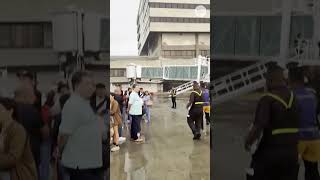
 Reference video
A video on the same topic from an external channel, separate from the reports analyzed here.
Earthquakes Strike Venezuela and Prompt International Aid
Seismic activity causes humanitarian crisis in Venezuela.
Event Overview
A series of earthquakes struck Venezuela, with the USGS recording 93 significant events. The disaster occurred during a political transition where Rodríguez took office following the removal of Maduro by the U.S. International aid efforts include $150 million in U.S. financial assistance and the deployment of U.S. rescue teams and faith-based organizations.
Issue Summary
Bias Distribution
Bias Signal Summary
10 articles — 4 signal types detected.
Coverage Tone Distribution
· -Redder = higher bias. Larger area = more outlets. Click an outlet to jump to its position.
AI Analysis
Missing are the firsthand accounts and needs of the affected Venezuelan citizens, as well as perspectives from non-U.S. international aid agencies or regional neighbors.
Related Coverage
Related Cards
Coverage flow
Coverage volume
Focus shift
Story timeline
Recommended Reads
How Phones Alerted Millions Before Quakes Shook Venezuela - The New York Times
New York Times
Venezuelans dig for earthquake survivors as death toll rises to 1,430 - Al Jazeera
Al Jazeera
93 Earthquakes Hit Worldwide in One Week, From Venezuela to Japan
Newsweek
Venezuelans sleep in cars and under trees after deadly earthquakes
AP News
Coverage across the seven outlets was split, with three criticizing the Venezuelan government's incompetence, two focusing on the human tragedy and seismic risks, and two highlighting international cooperation and technological solutions.
The writer intends to inform the reader of a period of high seismic activity while using the tragedy in Venezuela as a cautionary tale to instill a sense of vigilance regarding seismic risks in California.
The writer intends to frame the U.S. intervention as a benevolent, cooperative, and necessary humanitarian effort, emphasizing the 'friendship' between the two nations during a crisis to instill a perception of U.S. leadership and compassion.
The writer intends to evoke sympathy and a sense of urgency by highlighting the desperation of the search efforts in the wake of a natural disaster.
The writer intends to convey a sense of urgency and international cooperation, instilling in the reader a feeling of critical time pressure regarding the rescue operations.
The writer intends to portray a stark contrast between the Venezuelan government's projected image of a 'robust response' and the desperate reality of citizens left to rescue their own, suggesting that state incompetence and political instability are exacerbating a humanitarian catastrophe.
The writer intends to portray the Venezuelan government's response as performative and insufficient compared to the scale of the disaster and the desperation of the populace, while highlighting the U.S. as a critical and efficient provider of aid.
The writer intends to showcase the utility and technological reach of Google's crowdsourced earthquake detection system, positioning it as a critical safety tool in regions where government infrastructure is absent.
The writer intends to portray a scene of desperation and systemic vulnerability, emphasizing that the human tragedy is exacerbated by outdated infrastructure and a government struggling to provide immediate housing and healthcare answers.
The writer intends to convey a sense of ongoing tragedy and instability, evoking sympathy for the families who are facing additional seismic shocks while still dealing with the trauma and loss of previous quakes.
The writer intends to portray the Venezuelan government as incompetent and performative in the face of a humanitarian catastrophe, contrasting the state's 'image projection' with the desperate reality of civilians and the efficiency of international aid.
Loading comments...