 Reference video
A video on the same topic from an external channel, separate from the reports analyzed here.
Hungary Shuts Down Paks Nuclear Power Plant
Record drought threatens Hungary's primary energy source.
Event Overview
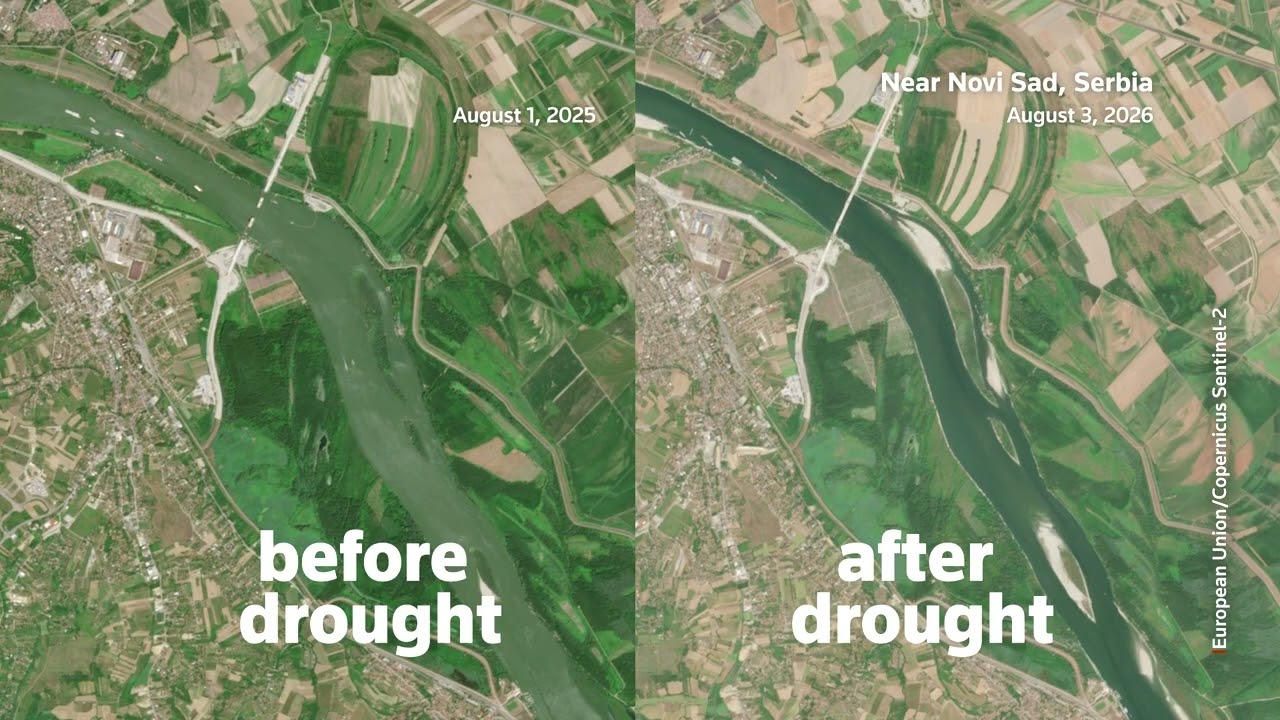
Record-low water levels in the Danube River have forced the shutdown or severe capacity reduction of Hungary's Paks nuclear power plant. The facility, which provides nearly half of the country's electricity, relies on direct river water for cooling. Prime Minister Péter Magyar has implemented emergency plans and called for power conservation to manage the resulting energy crisis.
Issue Summary
Bias Distribution
Bias Signal Summary
6 articles — 2 signal types detected.
Coverage Tone Distribution
· ConflictRedder = higher bias. Larger area = more outlets. Click an outlet to jump to its position.
AI Analysis
All 3 articles link the Paks plant shutdown to record-low river levels, establishing a pattern of environmental causality that defines the coverage as climate-driven energy insecurity. 2 of 6 articles focus on the systemic instability of Europe and Hungary's specific vulnerability to a single energy source, characterizing the event as a broader security risk. Only 0 outlets address the technical specifics of the emergency power conservation plans or the direct impact on Hungarian citizens, representing a substantial missing perspective regarding the domestic implementation of the crisis response.
Neutral coverage dominates with mid-level bias intensity.
Related Coverage
Related Cards
Coverage flow
Coverage volume
Focus shift
Story timeline
Recommended Reads
Hungary plans to shut down only nuclear power plant amid drought - Al Jazeera
Al Jazeera
Record-low Danube River levels threaten shutdown of Hungary's nuclear plant
CBS News
Hungary comes ‘within millimetres’ of shutting down nuclear power plant amid drought crisis – Europe live
The Guardian
Three outlets each highlighted a different critical dimension of the current crisis: one focused on the link between environmental fragility and geopolitical volatility, one on threats to national energy security, and one on the resulting test for political leadership.
The writer intends to frame the nuclear plant shutdown as a critical symptom of a larger climate crisis, intending the reader to perceive human-caused climate change as a direct threat to national energy security and economic stability.
The writer intends to convey a sense of urgency and vulnerability regarding Hungary's energy dependence on a single, climate-sensitive infrastructure point, prompting the reader to view the situation as a critical test of national and regional resilience.
The writer intends to frame the energy crisis as a critical intersection of climate change and political transition, positioning the event as a high-stakes test for Hungary's new leadership.
The writer intends to convey a sense of systemic instability across Europe, linking environmental fragility (nuclear risks due to drought) with geopolitical volatility (border crises and diplomatic friction), leaving the reader with a perception of a continent under simultaneous multiple pressures.
The writer intends to convey a sense of urgency and vulnerability regarding Hungary's energy security, framing the situation as a critical intersection of environmental crisis and infrastructure fragility.
The writer intends to convey a sense of urgency and crisis regarding Hungary's energy security, framing the drought as a severe threat to national infrastructure.
Loading comments...