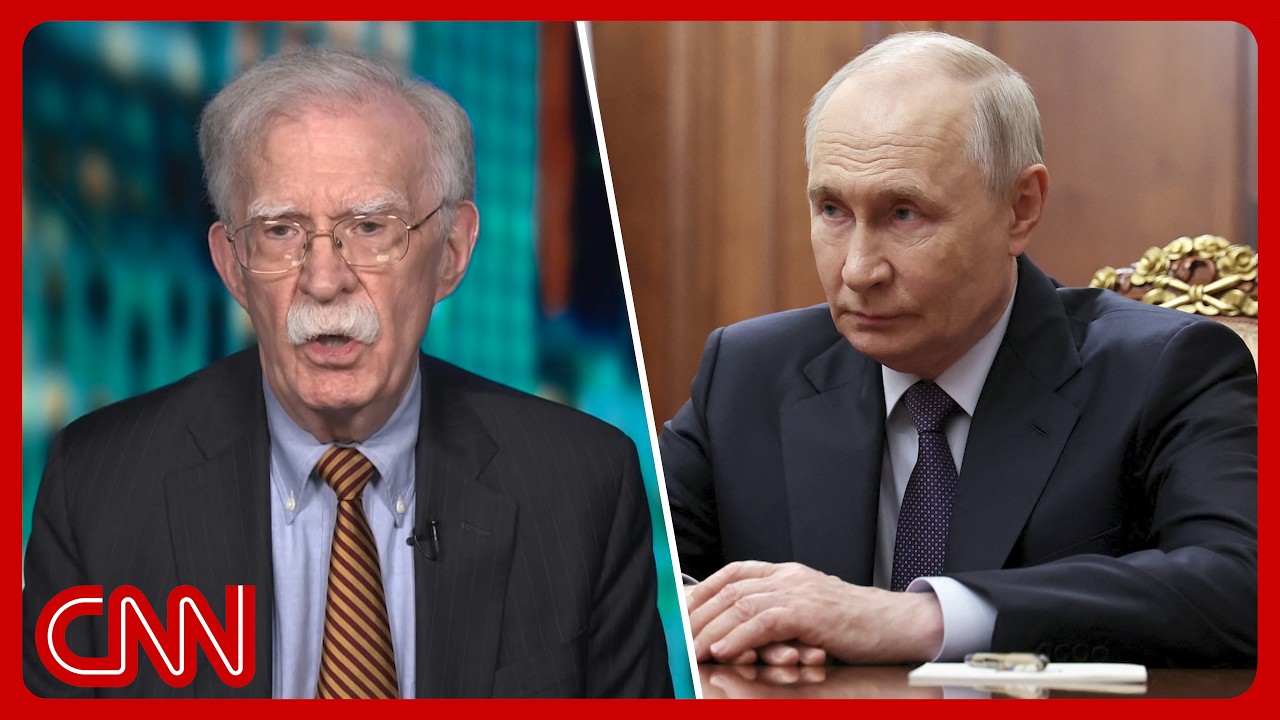
 Reference video
A video on the same topic from an external channel, separate from the reports analyzed here.
Russia Potential Limited Attacks on NATO Allies
US intelligence warns of Russian tests of NATO unity.
Event Overview
U.S. intelligence assessments suggest Vladimir Putin may launch limited attacks, such as cyberattacks or small-scale incursions, on NATO allies in Poland or the Baltics. These potential actions aim to test the alliance's resolve and commitment to Article 5. Recent incidents involving drones and airspace violations in Germany, Romania, and Poland are cited as evidence of this encroachment. Some reports link this threat to depleted U.S. munitions stockpiles and uncertainty regarding U.S. leadership.
Issue Summary
Bias Distribution
Bias Signal Summary
Coverage Tone Distribution
· AlignedRedder = higher bias. Larger area = more outlets. Click an outlet to jump to its position.
AI Analysis
All 3 articles from Fox, Google News, and Forbes highlight Russia's probing of NATO defenses, showing a consistent pattern of framing Putin as a calculating aggressor, which characterizes the coverage as focused on immediate security threats. 2 of 7 articles specifically link the risk of provocation to depleted U.S. munitions stockpiles and leadership uncertainty, establishing a pattern of attributing vulnerability to internal U.S. weaknesses. However, 0 of 7 articles address the potential diplomatic or non-military countermeasures NATO could employ to deter these incursions, revealing a substantial missing perspective regarding diplomatic conflict resolution.
Critical coverage dominates with mid-to-high intensity bias.
Related Coverage
Coverage flow
Coverage volume
Focus shift
Story timeline
Recommended Reads
New Intelligence Warns Russia May Provoke NATO Amid Dwindling U.S. Munitions - WSJ
WSJ
U.S. intelligence agencies warn Putin could test NATO by authorizing provocative actions - CBS News
CBS News
US intel warns Russia could launch limited attack on NATO ally in effort to fragment organization: report
Fox News
Exclusive | U.S. Intel Finds Putin Could Test NATO’s Resolve With Limited Incursion - wsj.com
WSJ
Three of the five outlets emphasized urgency driven by systemic vulnerabilities and Russian opportunism, while the remaining two focused on geopolitical instability and criticisms of NATO's cautious strategy.
The writer intends to instill a sense of urgency and instability by framing Russia as an opportunistic aggressor and the U.S. leadership as an unpredictable variable in NATO's collective security.
The writer intends to instill a sense of urgency and vigilance in the reader by framing Russia as a calculating aggressor seeking to exploit potential weaknesses in U.S. munitions and NATO's collective resolve.
The writer intends to instill a sense of urgency and vulnerability in the reader by linking Russian aggression and intelligence warnings with a depleted US military capacity to defend its allies.
The writer intends to instill a sense of urgency and vulnerability in the reader by linking a specific external threat (Putin's potential aggression) with an internal weakness (depleted U.S. munitions stockpiles).
The writer intends to instill a sense of urgency and vulnerability in the reader by linking Putin's potential aggression with a depleted US military arsenal, suggesting that NATO's deterrence capability is currently compromised.
The writer intends to instill a sense of urgency and geopolitical instability by highlighting intelligence warnings of Russian aggression and Chinese economic dominance.
The writer intends to instill a sense of urgency and alarm in the reader, framing NATO's current cautious approach as a dangerous form of appeasement that invites further Russian aggression.
Loading comments...