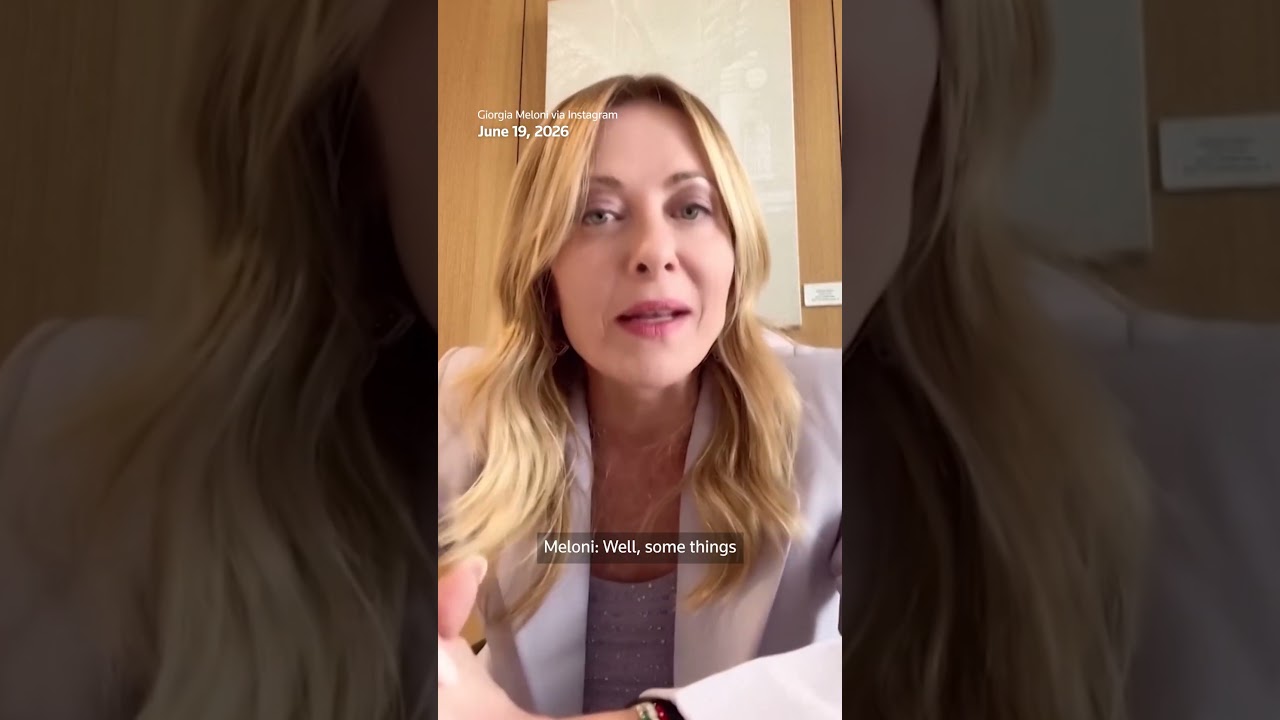
 Reference video
A video on the same topic from an external channel, separate from the reports analyzed here.
CAA Criticizes Meta's Muse Image AI Policy
Conflict over AI consent and creator likeness rights.
Event Overview
Meta released Muse Image, an AI tool allowing users to create photos and 'remixes' using public Instagram handles. CAA has criticized the tool's opt-out system, demanding an opt-in model to ensure documented consent for the use of likenesses and creative work. Meta states the tool was built with safety in mind, while other reports indicate the model enables deepfakes and lacks consistent detection capabilities.
Issue Summary
Bias Distribution
Bias Signal Summary
Coverage Tone Distribution
· -Redder = higher bias. Larger area = more outlets. Click an outlet to jump to its position.
AI Analysis
Missing perspectives include the viewpoints of the general Instagram user base and technical experts regarding the tool's actual safety efficacy and deepfake detection capabilities. There is also a lack of direct input from Meta's developers explaining the technical or strategic rationale behind the opt-out model.
Related Coverage
Coverage flow
Coverage volume
Focus shift
Story timeline
Recommended Reads
CAA Slams Meta for Using Opt-Out Policy for AI Platform Muse Image, Which Can Create Content Using Public Instagram Accounts
Variety
CAA Calls BS On Meta’s AI Image Generator; Zuckerberg Pushes Back On Muse Privacy Worries
Deadline
Meta AI now lets people make deepfakes from public Instagram photos without explicit consent - NBC News
NBC News
Two of the three outlets focused on Meta's AI policy as a violation of creator rights and user privacy, while one highlighted the conflict as a clash of power and corporate hypocrisy.
The writer intends to frame Meta's AI policy as a violation of creator rights and autonomy, positioning the 'opt-out' mechanism as an irresponsible burden placed on the user rather than the platform.
The writer intends to frame the conflict as a clash between two powerful entities, while specifically highlighting the hypocrisy of CAA for demanding AI protections while simultaneously profiting from digital likeness technology.
The writer intends to alert the reader to a privacy and security vulnerability created by Meta, framing the company as negligent regarding consent and detection capabilities.
Loading comments...