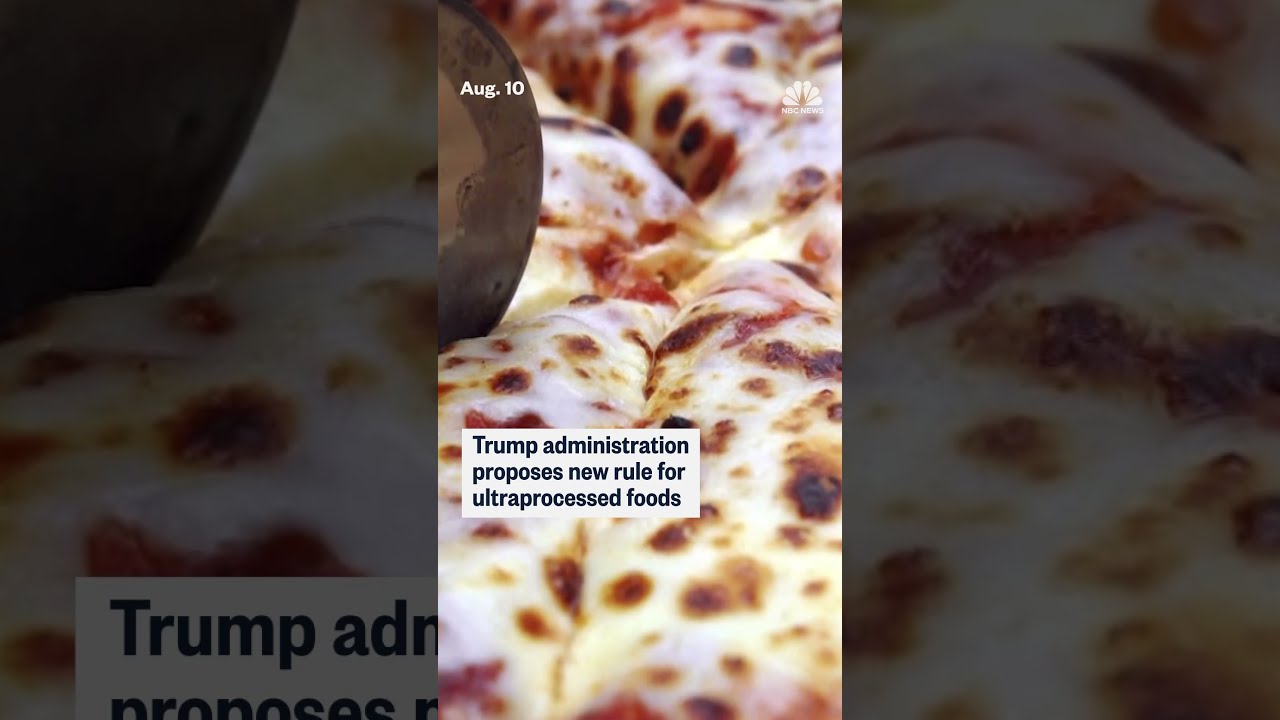
 Reference video
A video on the same topic from an external channel, separate from the reports analyzed here.
Trump Administration Proposes FDA Food Ingredient Rule
New rules target the 'GRAS' loophole for food additives.
Event Overview
The Trump administration, led by HHS Secretary Robert F. Kennedy Jr., has proposed a new FDA rule requiring food manufacturers to notify the agency when they self-certify ingredients as 'generally recognized as safe' (GRAS). This initiative, part of the Make America Healthy Again (MAHA) agenda, aims to end a voluntary notification practice in place since 1958 and increase transparency. Additionally, the administration has submitted the first official federal definition of ultra-processed foods.
Issue Summary
Bias Distribution
Bias Signal Summary
Coverage Tone Distribution
· ConflictRedder = higher bias. Larger area = more outlets. Click an outlet to jump to its position.
AI Analysis
Across 4 of 6 articles, the focus remains on the FDA's GRAS notification rule, showing a pattern of debating the administrative scope of the policy, which characterizes the coverage as primarily centered on regulatory mechanics. In 2 of 6 articles, the narrative emphasizes the economic burden and bureaucratic overreach of the rule, reflecting a pattern of fiscal criticism that characterizes the coverage as focused on industry impact. Despite the event overview mentioning the first official federal definition of ultra-processed foods, only 0 articles address this specific development, revealing a pattern of total omission that characterizes a substantial missing perspective regarding the administration's nutritional definitions.
Critical coverage dominates with mid-to-high bias intensity.
Related Coverage
Coverage flow
Coverage volume
Focus shift
Story timeline
Recommended Reads
MAHA: RFK Jr. Announces Policy Changes Designed to Modernize Oversight of Food Ingredients
Breitbart
Trump officials propose new requirements for food additives and ingredients - AP News
AP News
RFK Jr. proposes fix to loophole that allows additives into food. Critics say it doesn’t go far enough. - NBC News
NBC News
RFK Jr. Wants More FDA Oversight of Food Ingredients. It Could End Up Costing $210 Million.
Reason
Coverage across the five outlets was deeply divided: two framed the move as an insufficient compromise, while the remaining three each offered a distinct perspective, viewing it as either a bureaucratic expansion, a necessary regulatory correction, or a historic public health victory.
The writer intends to frame the Trump administration's food policy changes as historic, necessary, and transformative victories for public health, instilling in the reader a sense of progress against a 'chronic disease epidemic' caused by corporate secrecy.
The writer intends to present the Trump administration's new food safety initiatives as a significant shift toward transparency and oversight, while simultaneously tempering expectations by highlighting the limitations of the proposal and the demands of health advocates.
The writer intends to frame the administration's proposal as a modest administrative change that falls short of the systemic reform demanded by health experts, leaving the core 'loophole' of industry self-regulation intact.
The writer intends to present RFK Jr.'s initiative as a corrective measure against a systemic failure in food safety regulation, leading the reader to perceive the move as a necessary tightening of corporate oversight.
The writer intends to portray the administration's proposal as a compromise that failed to fully satisfy either the regulatory goals or the industry's economic concerns, leaving the reader with a sense of unresolved tension between health regulation and food costs.
The writer intends to frame RFK Jr.'s food safety initiative as an expensive bureaucratic expansion that increases costs for consumers and businesses without providing a guarantee of safety, thereby encouraging a dangerous reliance on federal regulators.
Loading comments...