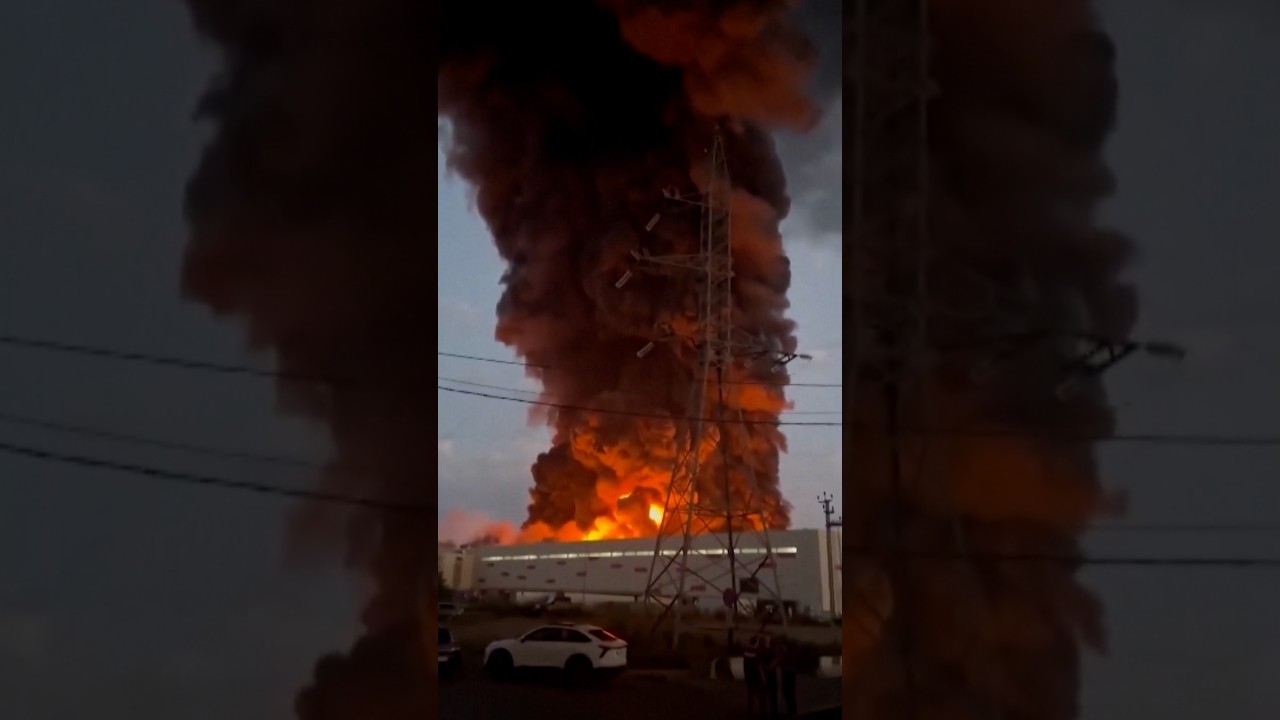
 Reference video
A video on the same topic from an external channel, separate from the reports analyzed here.
Ukraine strikes Wildberries warehouses in Russia
Strikes target Russia's largest online marketplace.
Event Overview
Ukraine launched a series of drone attacks targeting warehouses and logistics hubs owned by Wildberries, Russia's largest online retailer. The strikes occurred across several Russian regions, including Moscow, Krasnodar, Stavropol, and Crimea, causing significant fires and infrastructure damage. While the Kremlin maintains these are civilian targets, President Zelenskyy and Ukraine assert the facilities supply the Russian military with drone and navigation components.
Issue Summary
Bias Distribution
Bias Signal Summary
Coverage Tone Distribution
· ConflictRedder = higher bias. Larger area = more outlets. Click an outlet to jump to its position.
AI Analysis
Across 4 articles, the focus remains on Ukraine's strategic shift toward economic attrition and the degradation of domestic logistics, establishing a pattern of framing the strikes as a calculated effort to undermine Russian stability. In 3 of 4 articles, the narrative emphasizes the exploitation of systemic vulnerabilities in centralized e-commerce hubs, characterizing the coverage as a technical analysis of infrastructure fragility. However, in all 4 articles, there is a total absence of perspectives from Wildberries corporate leadership or affected warehouse employees, representing a substantial missing perspective regarding the immediate operational and human impact on the ground.
Related Coverage
Coverage flow
Coverage volume
Focus shift
Story timeline
Recommended Reads
Ukraine targets Russian online retailer Wildberries
NBC News
Ukraine hits Russia's largest online marketplace, hurting small businesses and bringing the war home - AP News
AP News
Russia’s Amazon-style retail giant Wildberries is now in Ukraine’s crosshairs. Here's why
CNBC
Why Do Russia’s Wildberries Warehouses Burn So Fiercely?
Forbes
Six outlets analyzed the strikes through different strategic lenses: two focused on the disruption of commercial logistics and the economy, two viewed them as a justified effort to erode morale and the military-industrial complex, while one each highlighted the exposure of Russian domestic instability and the exploitation of systemic economic vulnerabilities.
The writer intends to frame the attack as a strategic military strike against a logistics hub supporting the Russian army, while acknowledging the retailer's civilian nature to highlight the escalation of 'bringing the war home'.
The writer intends to frame the attacks as a strategic shift in Ukraine's military campaign to target the Russian consumer economy and logistics, thereby bringing the reality of the war to ordinary Russian citizens.
The writer intends to highlight the disproportionate financial burden placed on small-to-medium sellers compared to the corporate entity, framing the situation as a precarious legal and financial trap for the sellers.
The writer intends to frame Ukraine's attacks on civilian-facing retail infrastructure as a strategic and justified economic warfare tactic that targets the Russian military-industrial complex.
The writer intends to show that the war is increasingly impacting the Russian civilian 'comfort zone' and commercial infrastructure, while highlighting the vulnerability of small business owners and the potential negligence of corporate management during the crisis.
The writer intends to inform the reader that Ukraine is expanding its targeting strategy to include critical commercial logistics infrastructure within Russia to disrupt its economy.
The writer intends to frame the Ukrainian drone strikes as a sophisticated exploitation of a systemic vulnerability in the modern centralized economy, warning the global community that e-commerce hubs are now legitimate and highly effective military targets.
The writer intends to portray the strike not just as a military event, but as a catalyst for revealing domestic instability, government incompetence, and the personal desperation of ordinary Russian citizens.
The writer intends to show that Ukraine's strategy has evolved to target the daily lives and economic stability of ordinary Russians, thereby breaking the public's complacency and forcing them to associate the war's costs with the Kremlin's decisions.
The writer intends to frame the attacks not as random civilian strikes, but as a strategic effort to erode Russian morale and economic stability by targeting a ubiquitous service used by ordinary citizens and small entrepreneurs.
Loading comments...