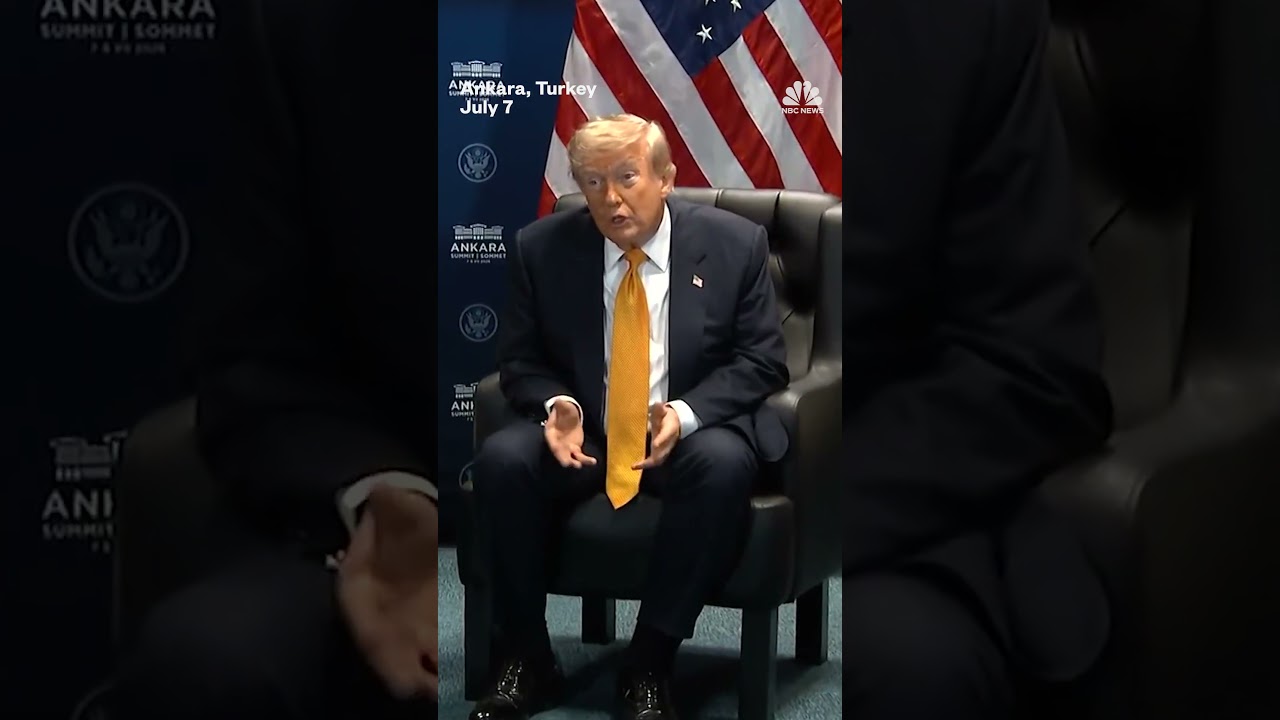
 Reference video
Reference video may not be directly related to the topic of this article
U.S. and Iran Memorandum of Understanding Collapses
Failure of a deal to secure the Strait of Hormuz.
Event Overview
The U.S. and Iran reached a memorandum of understanding (MoU) on June 17 to lift blockades of the Strait of Hormuz and ease economic disruptions. The agreement later collapsed, with President Trump accusing Iranian negotiators of lying and cheating during a NATO summit in Ankara. This failure followed U.S. military strikes on Iranian targets in the Persian Gulf, which were responses to Iranian attacks on oil tankers.
Issue Summary
Bias Distribution
Bias Signal Summary
Coverage Tone Distribution
· -Redder = higher bias. Larger area = more outlets. Click an outlet to jump to its position.
AI Analysis
Missing are the perspectives of the Iranian government regarding the collapse of the MoU and the viewpoints of global economic stakeholders affected by the disruptions in the Strait of Hormuz.
Related Coverage
Related Cards
Coverage flow
Coverage volume
Focus shift
Story timeline
Recommended Reads
Analysis of the four outlets reveals a split focus: two criticized Trump's volatility and strategic failures, while one questioned the Iranian regime's reliability and another framed the aggression as a diplomatic facade.
The writer intends to portray the U.S. diplomatic effort as a desperate, flawed reaction to a strategic military blunder, leading the reader to view the failure of the MoU as inevitable due to inherent vagueness and deep-seated mistrust.
The writer intends to portray Donald Trump's aggressive public persona as a facade ('bluster') that masks a strategic necessity for diplomacy, leading the reader to conclude that military force has failed to achieve US objectives in Iran.
The writer intends to portray Donald Trump as volatile, inconsistent, and impulsive, highlighting a rapid shift from praising Iranian leaders to insulting them and moving from a peace deal to threats of war.
Loading comments...