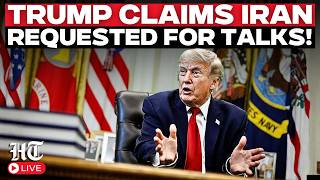
 Reference video
Reference video may not be directly related to the topic of this article
Iran Holds Funeral for Ayatollah Ali Khamenei
Death of Iran's leader triggers regional instability.
Event Overview
Supreme Leader Ayatollah Ali Khamenei was killed in U.S. and Israeli airstrikes, with one report specifically citing a February 28 strike called Operation Epic Fury. Iran organized a multi-day funeral procession moving from Tehran to other cities, including Qom and Mashhad, with officials aiming for millions of attendees to project strength. While public mourning occurred, the absence of successor Mojtaba Khamenei has led to speculation regarding his health and leadership status.
Issue Summary
Bias Distribution
Bias Signal Summary
55 articles — 7 signal types detected.
Coverage Tone Distribution
· -Redder = higher bias. Larger area = more outlets. Click an outlet to jump to its position.
AI Analysis
Missing are the perspectives of the Iranian general public regarding the leadership transition and the official diplomatic responses from global allies or neutral nations. There is also a lack of analysis from military experts regarding the strategic implications of "Operation Epic Fury."
Related Coverage
Related Cards
Coverage flow
Coverage volume
Focus shift
Story timeline
Recommended Reads
Inside Tehran as funeral for late Iranian supreme leader
NBC News
Live updates: Whereabouts of Iran’s new supreme leader unknown as public mourning of Khamenei continues - CNN
CNN
Live updates: Trump and Iran issue conflicting statements about new talks - CNN
edition.cnn.com
Iran War Gives 'Switzerland of Middle East' Key Say in Fate of Hormuz
Newsweek
Of the 18 outlets analyzed, nine viewed the funeral as a calculated political performance by a weakened regime, while five expressed skepticism toward diplomatic efforts and four emphasized U.S. strength against Iranian terrorism.
The writer intends to portray the Iranian government as fractured and unstable, suggesting that internal contradictions between civilian and military factions make a successful peace agreement unlikely.
The writer intends to convey the scale of public grief and hostility toward the U.S. in Iran following the death of their leader, framing the event as a direct consequence of U.S. and Israeli military action.
The writer intends to portray the funeral not just as a religious event, but as a high-stakes geopolitical flashpoint characterized by extreme security risks, symbolic defiance against the US, and a precarious regional stability.
The writer intends to inform the reader of the scale of the mourning process in Iran and the geopolitical context of the leader's death, framing the event as a massive state-led mobilization.
The writer intends to portray the funeral not just as a mourning event, but as a strategic demonstration of Iranian resilience and unity in the face of foreign aggression, suggesting that the assassination of the leader failed to destabilize the regime.
The writer intends to portray the funeral not just as a mourning period, but as a strategic political tool used by the Iranian regime to consolidate power, signal defiance to the West, and maintain internal stability during a leadership transition.
The writer intends to convey that geopolitical easing in the Middle East, combined with supply factors and weak demand, is currently exerting downward pressure on oil prices, leading the reader to perceive the market as entering a period of lower volatility or price correction.
The writer intends to present the funeral not merely as a religious rite, but as a high-stakes political performance and a security risk, prompting the reader to view the Iranian regime as 'battered' and unstable.
The writer intends to alert the reader to the availability of expert analysis regarding the economic risks associated with U.S.-Iran tensions, encouraging them to consume the full video content.
The writer intends to portray the funeral as a highly charged political event that serves both as a tool for domestic consolidation under a new leader and as a strategic signal of defiance against Western powers during an active war.
Loading comments...