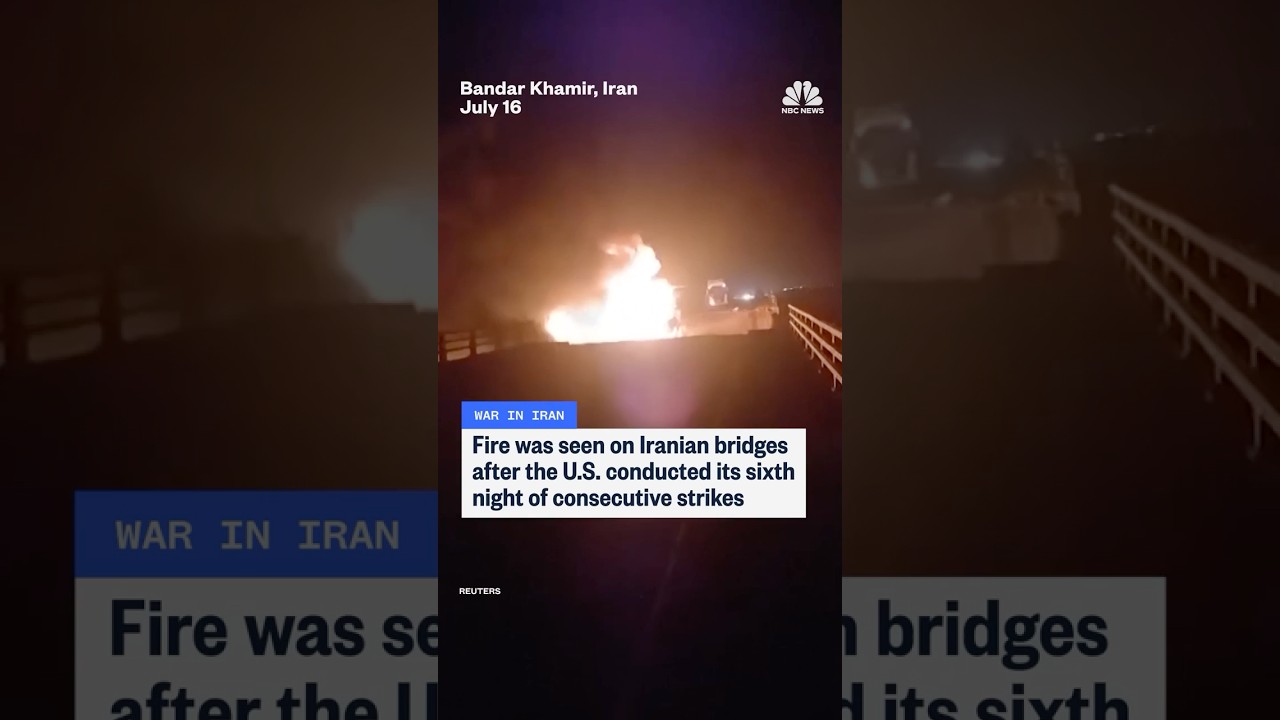
 Reference video
Reference video may not be directly related to the topic of this article
U.S. and Iran Resume Military Operations After MOU Collapse
Conflict threatens global energy security and regional stability.
Event Overview
A memorandum of understanding between the U.S. and Iran to halt military operations and reopen the Strait of Hormuz collapsed less than a month after signing. The U.S. has conducted airstrikes on Iranian infrastructure, including bridges, ports, and the islands of Abu Musa and Greater Tunb, while reimposing a naval blockade. Iran has retaliated with missile attacks targeting U.S.-hosted bases and infrastructure in Jordan, Bahrain, Qatar, and Kuwait.
Issue Summary
Bias Distribution
Bias Signal Summary
23 articles — 7 signal types detected.
Coverage Tone Distribution
· -Redder = higher bias. Larger area = more outlets. Click an outlet to jump to its position.
AI Analysis
Missing are the perspectives of the affected Gulf nations (Jordan, Bahrain, Qatar, and Kuwait) regarding the attacks on their soil, as well as the viewpoints of the Iranian government or its citizens. There is also a lack of analysis from neutral international bodies or global economic experts on the specific impact of the blockade on non-combatant nations.
Related Coverage
Related Cards
Coverage flow
Coverage volume
Focus shift
Story timeline
Recommended Reads
U.S. hits bridges and energy targets, Iran says, as strikes widen - The Washington Post
Washington Post
The U.S.-Iran battle over the Strait of Hormuz raises risks for global waterways - NPR
NPR
Days of fighting have collapsed the Iran deal
AP News
Iran hit at least 3 bases hosting US assets in latest strikes: Visual analysis
abcnews.com
Coverage across 14 outlets is divided, with five focusing on escalating regional instability and four advocating for aggressive military action over diplomacy. The remaining outlets are split between analyzing systemic threats to global security (3) and expressing dread over strategic and diplomatic failures (2).
The writer intends to convey a sense of imminent and expanding regional instability, framing Iran's rhetoric as an escalatory threat to global trade and regional security.
The writer intends to frame the current military conflict as a potential catalyst for diplomatic failure, prompting the reader to question whether peace negotiations are now impossible.
The writer intends to challenge the narrative of US military dominance by presenting evidence that Iran retains the capability to strike US assets, thereby instilling a sense of strategic uncertainty and vulnerability in the reader.
The writer intends to convey a sense of escalating conflict and widening geographic scope, leading the reader to perceive the situation as a volatile cycle of strikes and retaliation.
The writer intends to portray the conflict as a dangerous escalation where both sides are targeting critical civilian and strategic infrastructure, highlighting the regional instability and the high stakes regarding global energy security.
The writer intends to present the U.S. military action as a strategic tool of coercion used by the administration to force diplomatic concessions from Iran.
The writer intends to convey a sense of high instability and danger in a critical global oil artery, framing the situation as a failure of diplomacy and a victory of fear over economic interest.
The writer intends to frame Iran's control of the Strait of Hormuz not just as a regional conflict, but as a systemic threat to the global maritime order that could encourage other nations to weaponize strategic waterways.
The writer intends to frame the current escalation as a direct consequence of Iranian bad faith and violations of the memorandum, positioning U.S. military pressure as a necessary tool to force Iran back to the negotiating table.
The writer intends to provide a rapid-fire digest of diverse global crises and political failures, framing the current geopolitical climate as volatile and the US administration as prone to operational and communicative errors.
Loading comments...