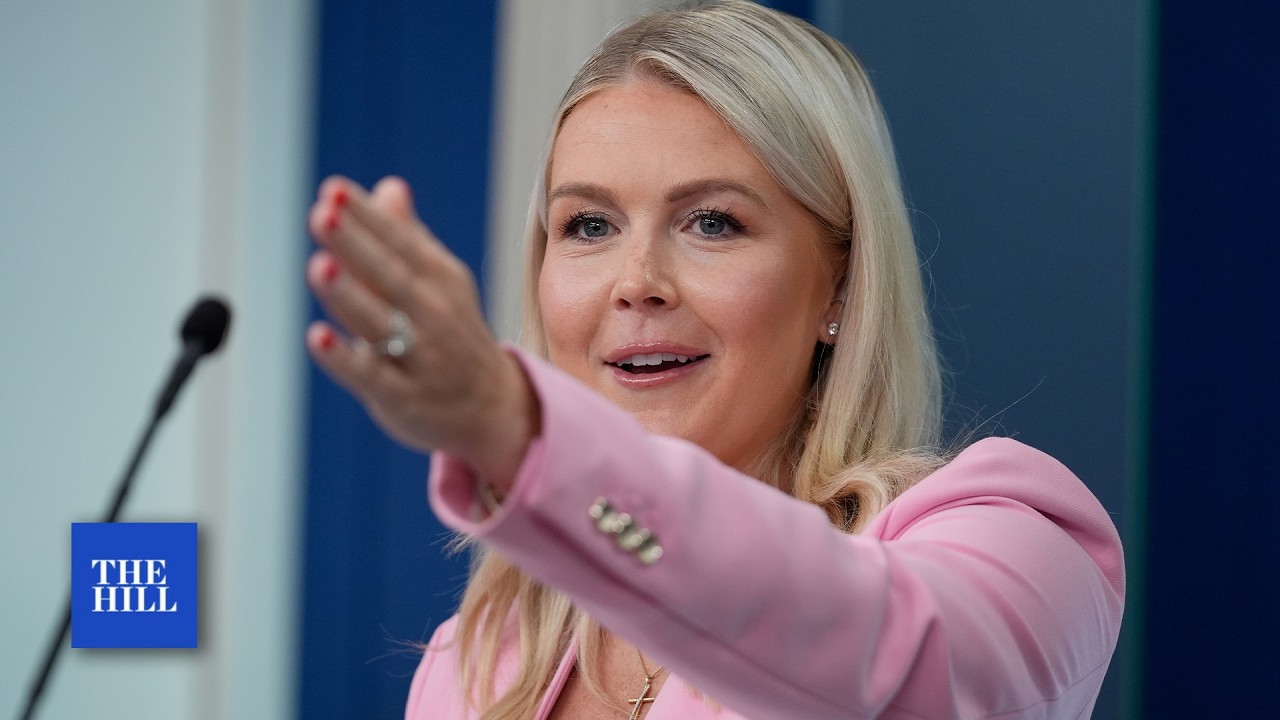
 Reference video
Reference video may not be directly related to the topic of this article
US and Iran Engage in Military Conflict and Diplomacy
US military readiness and oil prices face strategic risks.
Event Overview
The US and Iran are engaged in a conflict involving US strikes known as Operation Epic Fury and a US blockade of Iranian assets. The US has paused bombing campaigns to allow for negotiations and to address the depletion of air defense missile stockpiles. Meanwhile, tensions persist over the control of the Strait of Hormuz and the impact of the conflict on global oil prices.
Issue Summary
Bias Distribution
Bias Signal Summary
26 articles — 5 signal types detected.
Coverage Tone Distribution
· ConflictRedder = higher bias. Larger area = more outlets. Click an outlet to jump to its position.
AI Analysis
The US strategic pause in military action is highlighted by cbs, showing a pattern of balancing diplomatic patience with readiness, which characterizes the coverage as focused on tactical flexibility. A focus on the Strait of Hormuz by ny_post reveals a pattern of framing Iran as an illegal aggressor, describing the coverage as centered on maritime security and international law. Despite the conflict's scale, only 1 outlet in gnews_business addresses the convergence of Middle Eastern hostilities with the Russia-Ukraine war, indicating a substantial missing perspective regarding the broader geopolitical synergy of global energy crises.
Critical coverage dominates with mid-to-high intensity bias.
Related Coverage
Related Cards
Coverage flow
Coverage volume
Focus shift
Story timeline
Recommended Reads
Mike Waltz dismisses concerns over depleted U.S. weapons stockpile amid Iran war
NBC News
New front in US-Iran war escalates as Houthis fire at Saudi oil facilities - Al Jazeera
Al Jazeera
Iran blames US for Hormuz dispute as both sides confirm ongoing talks - Al Jazeera
Al Jazeera
Oil tanker explodes after hitting naval mine in Strait of Hormuz, IRGC-linked media claims - report - The Jerusalem Post
jpost.com
Eight of the 16 outlets framed the administration as desperate or tactically failing, while five highlighted the conflict as a polarizing and fragile stalemate. The remaining three outlets focused on strategic diplomatic patience or presented U.S. actions as a necessary response to Iranian aggression.
The writer intends to frame Trump's decision not as a sign of weakness or lack of capability, but as a strategic, calculated pause based on logistical advice and a preference for diplomacy, while emphasizing that the U.S. remains dominant and 'locked and loaded.'
The writer intends to convey a state of high-stakes volatility and mutual defiance, leaving the reader with a sense of imminent danger and diplomatic deadlock.
The writer intends to instill a sense of desperation and inevitability in the reader, framing the Trump administration as trapped in a geopolitical corner with no viable options left to prevent an energy crisis.
The writer intends to frame the current military pause not as a step toward peace, but as a temporary tactical lull driven by resource depletion and political pressure, intending to instill a sense of skepticism and alarm in the reader regarding the Trump administration's war strategy.
The writer intends to juxtapose a violent maritime incident attributed to Iranian-linked reports with the friction in diplomatic negotiations, suggesting a climate of instability and Iranian rigidity regarding the Strait of Hormuz.
The writer intends to portray Iran as an aggressor and a destabilizing force that is illegally restricting international navigation in a critical oil chokepoint, while framing the US response as a necessary but restrained posture of strength.
The writer intends to convey that while the direct U.S.-Iran kinetic conflict has paused for diplomacy, the broader regional instability is expanding through proxies and new fronts, suggesting a fragile and volatile security environment.
The writer intends to demonstrate the tangible economic and logistical impact of Houthi aggression, framing the shipping slowdown as a direct consequence of geopolitical instability and the U.S.-Iran conflict.
The writer intends to instill a sense of urgency and alarm in the reader by framing the global energy situation as a 'grim' crisis that makes a global recession 'quite real,' effectively debunking previous optimistic market forecasts.
The writer intends to highlight a contradiction between Donald Trump's public persona as a peace-seeker and his private enthusiasm for military action, as revealed by a former ally.
Loading comments...