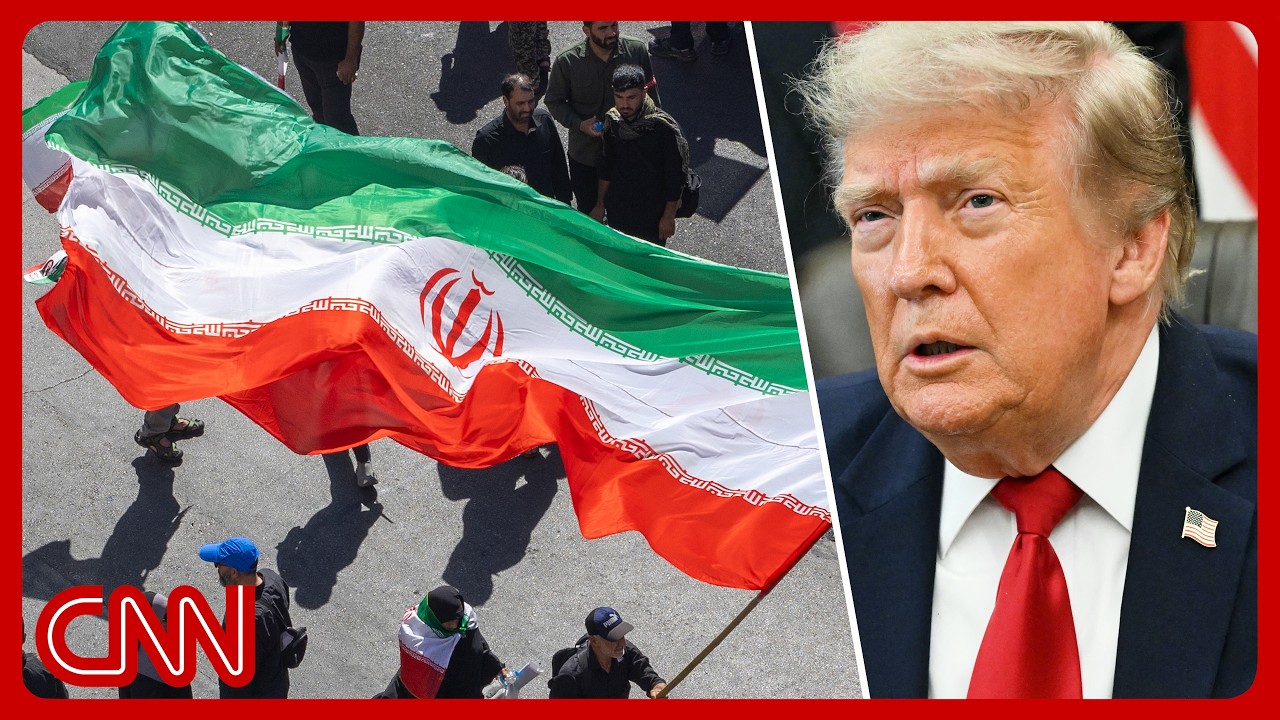
 Reference video
Reference video may not be directly related to the topic of this article
US and Iran Exchange Military Strikes and Blockades
Conflict threatens global energy security and shipping.
Event Overview
The US conducted three consecutive nights of airstrikes against Iranian coastal defenses, missile sites, and drone capabilities in cities including Bushehr and Chah Bahar. In response, Iran targeted US assets in Kuwait, Bahrain, and Jordan, and launched cruise missiles at two tankers, the Mombasa and Al Bahiyah, in the Strait of Hormuz. President Donald Trump reinstated a naval blockade on Iranian ports and proposed a 20% cargo fee to fund security in the strait. The tanker attacks resulted in the death of one Indian national and injuries to eight others, including Indian and Ukrainian crew members.
Issue Summary
Bias Distribution
Bias Signal Summary
8 articles — 4 signal types detected.
Coverage Tone Distribution
· -Redder = higher bias. Larger area = more outlets. Click an outlet to jump to its position.
AI Analysis
Missing are the perspectives of the affected crew members and their home countries, specifically India and Ukraine, as well as the viewpoints of the governments in Kuwait, Bahrain, and Jordan. There is also a lack of coverage regarding the Iranian government's official justification for its retaliatory strikes.
Related Coverage
Related Cards
Coverage flow
Coverage volume
Focus shift
Story timeline
Recommended Reads
Is the U.S. fighting an unwinnable war with Iran?
CBS News
UAE condemns Iran's 'brazen' attack on tankers as US launches fresh strikes - BBC
BBC
Trump demands world reimburse US for Iran war: ‘We’re protecting a very rich portion’
Washington Examiner
U.S. targets Iranian military assets in latest round of strikes as Tehran hits Gulf states
cnbc.com
Analysis of seven outlets reveals a divide in perspective: three viewed U.S. actions as high-stakes gambles with legal and economic risks, while one supported them as necessary responses to aggression. The remaining three outlets focused on factual reporting of military actions or the resulting global energy volatility.
The writer intends to frame the current conflict as potentially stagnant or failing by contrasting the actual duration of the war with the President's initial timeline, prompting the reader to question the feasibility of victory.
The writer intends to highlight a significant policy contradiction within the U.S. administration, contrasting Trump's transactional approach to security with the established diplomatic positions of his senior officials.
The writer intends to present Trump's actions as a high-stakes gamble that risks international legal conflict and domestic political backlash over oil prices, while framing the situation as a volatile cycle of escalation.
The writer intends to inform the reader of an escalation in U.S.-Iran hostilities, presenting the military strikes and blockade as direct executive actions taken by President Trump.
The writer intends to alert the reader to an ongoing military action and direct them toward a video report for detailed analysis.
The writer intends to portray the situation as a volatile escalation of conflict that threatens global energy security and commercial shipping, framing the U.S. actions as strategic degradation and Iranian actions as retaliatory aggression.
The writer intends to frame Iran as an aggressor targeting innocent civilians and commercial shipping, while presenting U.S. military action as a necessary cost-imposing measure and the new reimbursement policy as a pragmatic financial adjustment.
The writer intends to portray the current situation as a volatile cycle of escalation where the US is taking an unconventional and legally questionable approach to maritime control, potentially risking regional stability and domestic political backlash.
Loading comments...