 Reference video
Reference video may not be directly related to the topic of this article
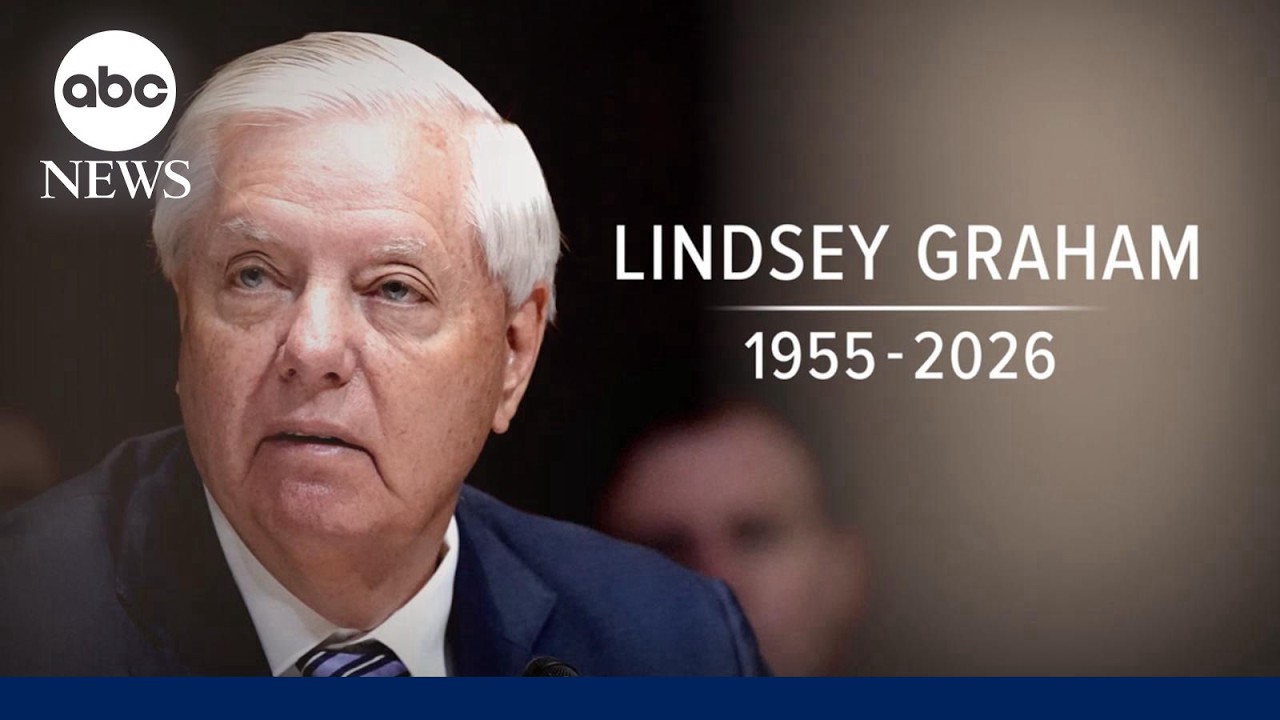
Senator Lindsey Graham Dies
Death of a key GOP leader impacts Senate math and policy.
Event Overview
Senator Lindsey Graham of South Carolina died on July 11 at age 71 following a brief illness caused by an aortic tear. Following his death, Governor Henry McMaster appointed Graham's sister, Darline Graham Nordone, to finish his term, while South Carolina will use a primary and potential runoff to select a Republican nominee for the November election. His passing, combined with Senator Mitch McConnell's hospitalization, has temporarily eroded the Republican Senate majority and created partisan ties on the Budget and Appropriations committees.
Issue Summary
Bias Distribution
Bias Signal Summary
85 articles — 6 signal types detected.
Coverage Tone Distribution
· -Redder = higher bias. Larger area = more outlets. Click an outlet to jump to its position.
AI Analysis
Missing are the perspectives of South Carolina constituents regarding the appointment of Darline Graham Nordone and the viewpoints of Democratic lawmakers on the resulting partisan ties in Senate committees. There is also a lack of coverage regarding the specific medical or public health context of the cause of death.
Related Coverage
Related Cards
Coverage flow
Coverage volume
Focus shift
Story timeline
Recommended Reads
U.S. and world leaders pay tribute to Lindsey Graham following sudden death
CBS News
Sen. Lindsey Graham dies after a 'brief and sudden illness,' his office says
pbs.org
Trump says he spoke with Sen. Lindsey Graham hours before his death
NBC News
Why It Is Time for the West to Crush Putin’s War Economy
time.com
Coverage of the subject is deeply polarized across 28 outlets: 10 focused on government failure and undemocratic processes, while 6 offered hagiographic portrayals of the subject as a moral patriot. Meanwhile, 7 outlets provided balanced retrospective accounts, and 5 framed the subject as a strategic legislative asset.
The writer intends to frame Lindsey Graham not as a principled statesman, but as a calculated political opportunist and 'shape-shifter' whose primary motivation was personal relevance and proximity to power.
The writer intends to portray Graham's political trajectory as one of opportunistic adaptation, framing his shift from a 'staunch critic' to a 'fierce ally' as a calculated realization that his political survival and the party's future were tied to Trump.
The writer intends to frame Lindsey Graham not as a man of fixed conviction, but as a pragmatic opportunist whose primary skill was adapting to the shifting power dynamics of the Republican Party to ensure his own political survival.
The writer intends to portray Graham as a pragmatic 'shape-shifter' whose primary skill was maintaining proximity to power, while framing his death as a strategic disaster for Trump's legislative agenda.
The writer intends to frame Lindsey Graham's final hours as being dedicated to active diplomatic work and foreign policy, leaving the reader with an impression of a senator who remained committed to his legislative goals until the very end.
The writer intends to provide a factual account of the senator's passing and a brief retrospective of his life and political trajectory, instilling a sense of solemnity and closure regarding his public service.
The writer intends to frame Lindsey Graham as an indispensable and influential political figure whose death leaves a significant void in both U.S. foreign policy and Senate leadership, while emphasizing his unique ability to bridge personal and political divides.
The writer intends to frame Bill Browder's claims as speculative 'conspiracy theories' by juxtaposing them with official medical reports and law enforcement findings, leading the reader to view Browder's suspicions as unfounded.
The writer intends to portray Ana Kasparian as a malicious and unpatriotic individual by framing her reaction to a political opponent's death as 'wicked' and 'vile,' thereby inciting moral outrage in the reader.
The writer intends to provide a detailed timeline of the senator's final hours by utilizing exclusive audio evidence, while framing Graham as a dedicated public servant and patriot.
Loading comments...