 Reference video
Reference video may not be directly related to the topic of this article
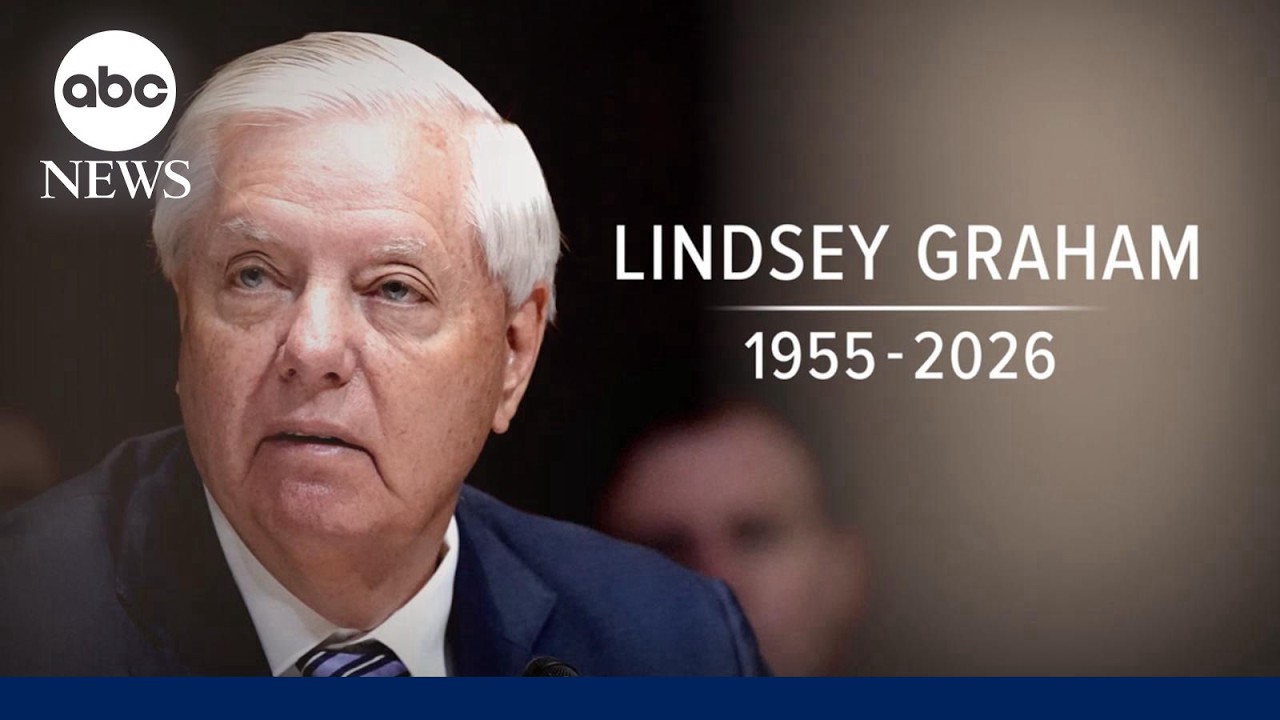
Senator Lindsey Graham Dies
Death of a key GOP leader impacts Senate math and policy.
Event Overview
Senator Lindsey Graham of South Carolina died on July 11 at age 71 following a brief illness caused by an aortic tear. Following his death, Governor Henry McMaster appointed Graham's sister, Darline Graham Nordone, to finish his term, while South Carolina will use a primary and potential runoff to select a Republican nominee for the November election. His passing, combined with Senator Mitch McConnell's hospitalization, has temporarily eroded the Republican Senate majority and created partisan ties on the Budget and Appropriations committees.
Issue Summary
Bias Distribution
Bias Signal Summary
85 articles — 6 signal types detected.
Coverage Tone Distribution
· -Redder = higher bias. Larger area = more outlets. Click an outlet to jump to its position.
AI Analysis
Missing are the perspectives of South Carolina constituents regarding the appointment of Darline Graham Nordone and the viewpoints of Democratic lawmakers on the resulting partisan ties in Senate committees. There is also a lack of coverage regarding the specific medical or public health context of the cause of death.
Related Coverage
Related Cards
Coverage flow
Coverage volume
Focus shift
Story timeline
Recommended Reads
U.S. and world leaders pay tribute to Lindsey Graham following sudden death
CBS News
Sen. Lindsey Graham dies after a 'brief and sudden illness,' his office says
pbs.org
Trump says he spoke with Sen. Lindsey Graham hours before his death
NBC News
Why It Is Time for the West to Crush Putin’s War Economy
time.com
Coverage of the subject is deeply polarized across 28 outlets: 10 focused on government failure and undemocratic processes, while 6 offered hagiographic portrayals of the subject as a moral patriot. Meanwhile, 7 outlets provided balanced retrospective accounts, and 5 framed the subject as a strategic legislative asset.
The writer intends to present a comprehensive obituary that frames Graham as a pivotal, influential, and complex figure in U.S. foreign policy and GOP politics, ensuring the reader views his passing as a significant loss to the Republican establishment and its international allies.
The writer intends to present a comprehensive portrait of the relationship between Trump and Graham, balancing Trump's current mourning and praise with the historical reality of their political volatility.
The writer intends to inform the reader of the passing of a prominent political figure while briefly framing his legacy through his shift in alignment with Donald Trump.
The writer intends to portray Lindsey Graham as an indispensable, universally beloved figure in the U.S.-Israel relationship, instilling in the reader a sense of significant loss for both nations.
The writer intends to frame Lindsey Graham's career as a cautionary tale of moral compromise and opportunism, leading the reader to perceive him as a symbol of the erosion of principled patriotism in modern politics.
The writer intends to frame Lindsey Graham's death as a significant loss to his allies and a blow to U.S.-Israel relations, while portraying him as a tireless worker and a clear-eyed defender against evil.
The writer intends to frame Lindsey Graham's career as a cautionary tale of political pragmatism, suggesting that while Graham successfully manipulated Trump to achieve policy goals, he did so at the cost of his integrity and the long-term health of his party's traditional values.
The writer intends to portray Donald Trump as a grieving friend and leader who views Lindsey Graham's death not only as a personal loss but as a strategic blow to a specific legislative goal.
The writer intends to portray Lindsey Graham as an opportunistic political actor who abandoned his principles and national security concerns to serve Donald Trump, thereby inadvertently serving Vladimir Putin's interests. The reader is expected to view Graham's legacy as one of hypocrisy and submission to a demagogue.
The writer intends to convey that the Republican grip on the South Carolina Senate seat has been destabilized, framing the situation as a strategic opportunity for Democrats to disrupt a previously predictable GOP victory.
Loading comments...