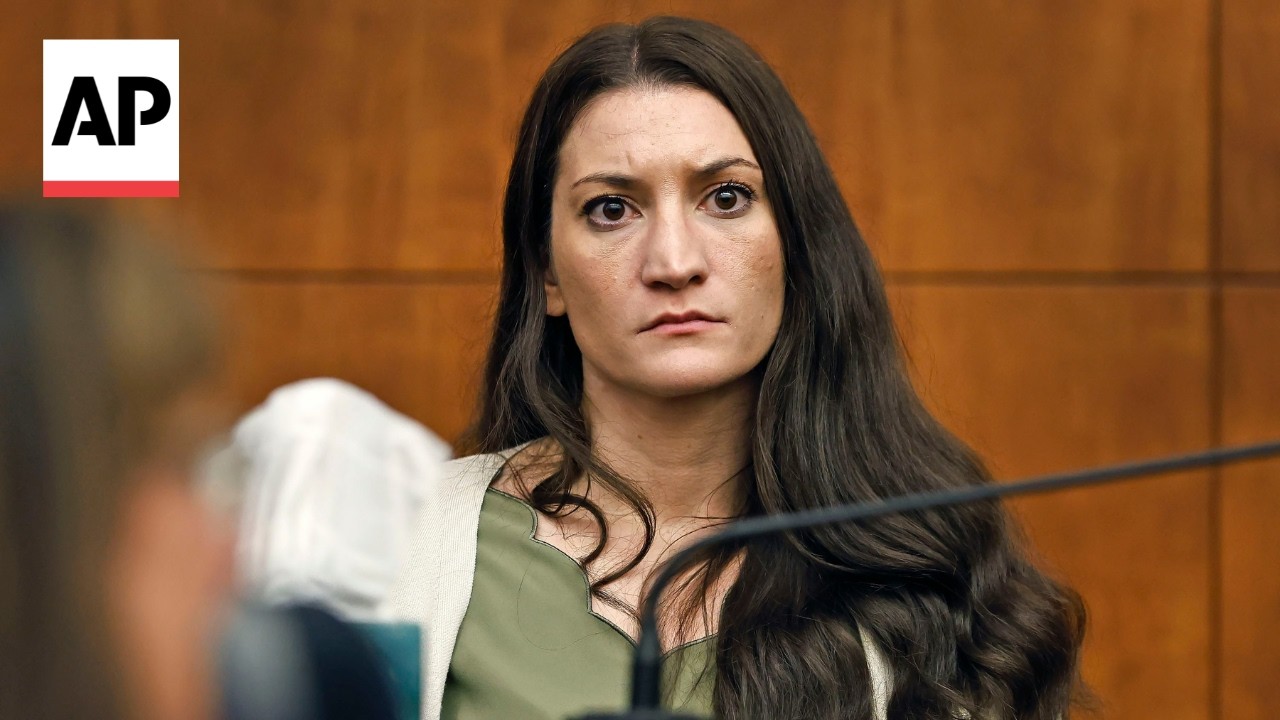
 Reference video
Reference video may not be directly related to the topic of this article
Lindsay Clancy stands trial for child murders
Trial debates criminal intent versus postpartum psychosis.
Event Overview
Lindsay Clancy, a former nurse, is on trial for the January 2023 strangulation of her three children in Duxbury, Massachusetts. The prosecution argues the murders were calculated and premeditated, while the defense contends Clancy suffered from extreme postpartum psychosis and overmedication. Testimony from her ex-husband, Patrick Clancy, has detailed the discovery of the children and the defendant's mental health decline.
Issue Summary
Bias Distribution
Bias Signal Summary
Coverage Tone Distribution
· ConflictRedder = higher bias. Larger area = more outlets. Click an outlet to jump to its position.
AI Analysis
All 8 articles focus on the legal proceedings and the conflict between the prosecution's premeditation theory and the defense's postpartum psychosis claim, establishing a pattern of trial-centric reporting that characterizes the coverage as a legal and medical debate. 2 of 8 articles specifically highlight the testimony of Patrick Clancy and the details of the crime scene, creating a pattern of reliance on courtroom evidence to describe the event's factual timeline. However, only 0 outlets address the broader systemic failures of the healthcare system or the lack of postpartum mental health resources, revealing a substantial missing perspective regarding the societal causes behind the tragedy.
Neutral coverage dominates with low bias intensity.
Related Coverage
Coverage flow
Coverage volume
Focus shift
사건 전개
Recommended Reads
Live Updates: Lindsay Clancy trial resumes with ex-husband's 911 call
CBS News
Trial begins for woman who claims postpartum psychosis drove her to kill her 3 children - PBS
pbs.org
Lindsay Clancy's ex-husband testifies about the day she killed their 3 children
pbs.org
Lindsay Clancy’s ex-husband details ‘big spiral’ as expert says one part ‘scared me’ in mom’s murder trial
Fox News
Three of the five outlets framed the trial as a conflict between criminal intent and a mental health crisis, while the remaining two focused on providing a comprehensive, chronological account of the proceedings and emotional evidence.
The writer intends to present the trial as a conflict between legal accountability and medical pathology, encouraging the reader to consider whether postpartum psychosis should mitigate criminal responsibility.
The writer intends to frame the trial not as a question of 'what happened,' but as a complex legal and medical debate over the intersection of postpartum mental illness and criminal culpability.
The writer intends to provide a factual, chronological account of the trial's daily proceedings to keep the reader informed of the evidence being presented to the jury.
The writer intends to provide a neutral, chronological update on the trial's proceedings, presenting the conflicting theories of the prosecution and defense to keep the reader informed of the legal arguments without endorsing either side.
The writer intends to inform the reader about a rare procedural step in the trial, framing the event as a way for the jury to reconcile the 'outwardly ordinary' appearance of the family's life with the violent reality of the crime.
The writer intends to frame the jury's site visit as a standard procedural step to establish a factual timeline, while emphasizing the extreme emotional gravity of the case to evoke sympathy or horror in the reader.
The writer intends to present a balanced account of the conflicting narratives in the trial—calculated murder versus mental health crisis—by juxtaposing the clinical evidence of the children's deaths with the emotional distress documented in the defendant's diary.
The writer intends to present a tension between the defendant's documented mental distress and the clinical observations of her stability, leaving the reader to weigh whether the crime was a result of psychosis or a calculated act.
The writer intends to frame the current stage of the trial as a strategic win for the defense, suggesting that the legal threshold for 'criminal responsibility' in Massachusetts creates a challenging burden for the prosecution.
Loading comments...