 Reference video
Reference video may not be directly related to the topic of this article
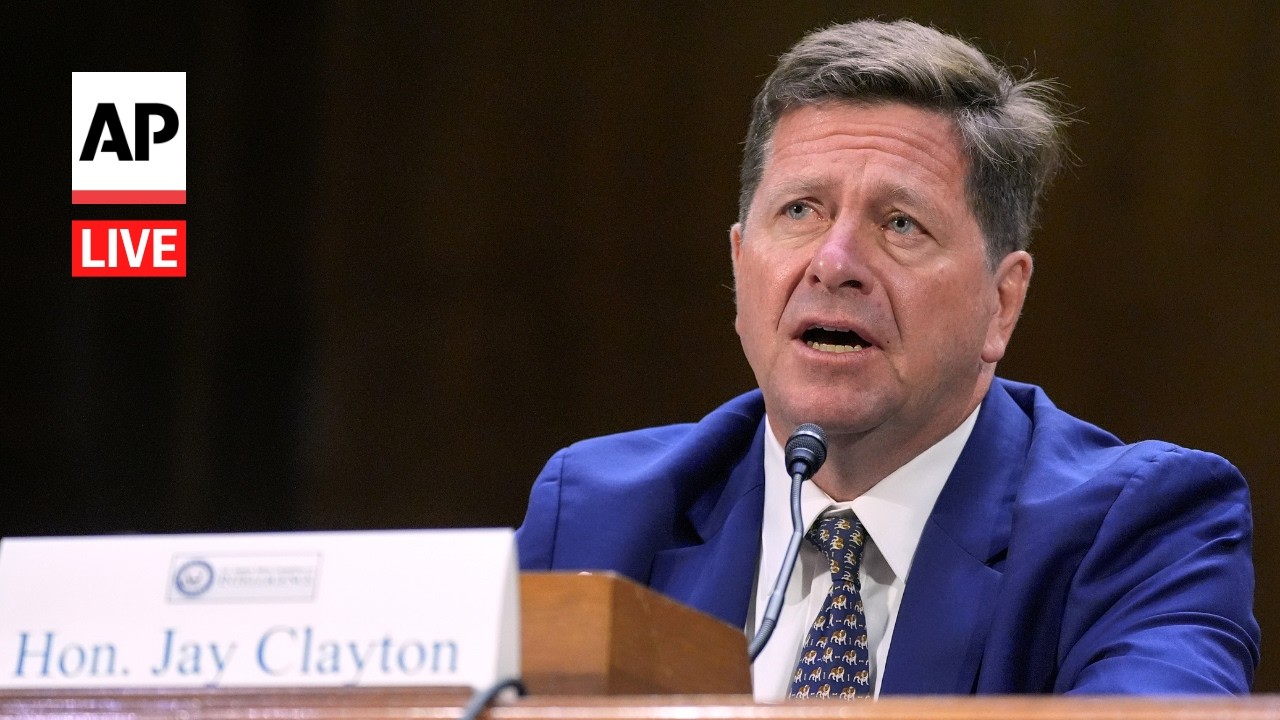
Jay Clayton Testifies at DNI Confirmation Hearing
Nominee's refusal to name 2020 election winner sparks debate.
Event Overview
Jay Clayton, nominated by President Trump for Director of National Intelligence, appeared before the Senate Intelligence Committee for his confirmation hearing. During the proceedings, Clayton declined to explicitly state who won the 2020 election, noting only that Joe Biden was 'certified'. The hearing also addressed Clayton's lack of intelligence experience and his replacement of acting director Bill Pulte.
Issue Summary
Bias Distribution
Bias Signal Summary
17 articles — 5 signal types detected.
Coverage Tone Distribution
· -Redder = higher bias. Larger area = more outlets. Click an outlet to jump to its position.
AI Analysis
Missing are perspectives from Jay Clayton's supporters or legal defenders regarding his interpretation of "certification," as well as viewpoints addressing the specific qualifications or shortcomings of his professional background relative to the DNI role.
Related Coverage
Coverage flow
Coverage volume
Focus shift
사건 전개
Recommended Reads
Trump's DNI pick Jay Clayton refuses to answer on who won the 2020 election
CBS News
Trump’s DNI pick Jay Clayton pitches finance whiz background — as Senate ‘anxious’ to dump Bill Pulte
NY Post
Trump's intelligence nominee refuses to say who won 2020 election - PBS
pbs.org
Trump's pick to head national intelligence, Jay Clayton, won't tell senators Biden won the 2020 election - CNBC
cnbc.com
Coverage across the 12 outlets was divided, with five framing the nominees as threats to democratic norms and three focusing on their evasion regarding election legitimacy, while four maintained a neutral tone regarding the confirmation process.
The writer intends to frame Jay Clayton as a strategic, modern alternative to the 'unqualified' Bill Pulte, suggesting that Clayton's non-traditional financial expertise is actually a necessary evolution for US intelligence.
The writer intends to portray Jay Clayton as an evasive and controversial nominee whose commitment to democratic norms and press freedom is questionable, thereby framing his likely confirmation as a result of partisan control rather than merit.
The writer intends to portray Jay Clayton as a weak and opportunistic figure who lacks professional respect and integrity, thereby framing his nomination as problematic.
The writer intends to portray Jay Clayton as evasive and unfit for the DNI role by highlighting his inability or unwillingness to provide a simple, direct answer to a factual question about the 2020 election.
The writer intends to portray the confirmation hearing as a clash between Democratic efforts to test the nominee's loyalty to democratic norms (the 2020 election result) and Republican efforts to focus on bureaucratic reform, while highlighting the nominee's evasiveness on the election issue.
The writer intends to inform the reader that the nominee is being scrutinized over the president's controversial claims, framing the hearing as a confrontation.
The writer intends to highlight the nominee's avoidance of a fundamental factual question, intending to leave the reader with an impression of ambiguity or evasion regarding the legitimacy of the 2020 election.
The writer intends to frame Jay Clayton's testimony as a dangerous sign of blind loyalty to Donald Trump, using Joe Scarborough's commentary to instill a sense of alarm regarding the potential for authoritarianism in the U.S. government.
The writer intends to portray Susan Collins and the Republican Party as dangerously indifferent to the erosion of democratic norms. By framing Collins's moderate reputation against her acceptance of an 'election denier,' the writer seeks to instill a sense of alarm in the reader regarding the stability of the American republic.
The writer intends to present Jay Clayton as a highly qualified, bipartisanly respected candidate who is attempting to navigate a volatile political environment created by President Trump's erratic nomination process and controversial acting appointments.
Loading comments...