 Reference video
Reference video may not be directly related to the topic of this article
Iran holds funeral for Ayatollah Ali Khamenei
Funeral marks a precarious leadership transition in Iran.
Event Overview
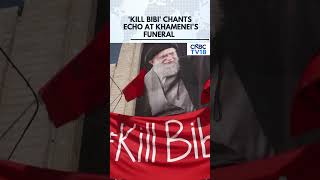
Iran held massive funeral ceremonies in Tehran for Supreme Leader Ayatollah Ali Khamenei, who was killed in U.S. and Israeli airstrikes on February 28. While hundreds of thousands of mourners attended and other sons of the late leader appeared, the new supreme leader, Mojtaba Khamenei, remained absent due to reported injuries and threats. The events featured calls for revenge against U.S. President Donald Trump and Israeli Prime Minister Benjamin Netanyahu.
Issue Summary
Bias Distribution
Bias Signal Summary
Coverage Tone Distribution
· -Redder = higher bias. Larger area = more outlets. Click an outlet to jump to its position.
AI Analysis
Missing are the perspectives of the Iranian general public regarding the leadership transition and the specific reactions or official responses from the U.S. and Israeli governments.
Related Coverage
Related Cards
Coverage flow
Coverage volume
Focus shift
Story timeline
Recommended Reads
Khamenei's Funeral Is Meant to Project Strength. But Iran's New Leader Has Yet to Appear
time.com
Three sons of Iran's slain leader Khamenei appear at funeral, not his successor - Reuters
Reuters
Iranians call for Trump’s death at funeral for assassinated ayatollah: ‘Seek revenge’
Washington Examiner
Khamenei's other sons appear at his funeral in Iran as new supreme leader remains in hiding
pbs.org
Coverage was split between two outlets portraying the regime and its individuals as extremist or hostile and two focusing on internal contradictions and performance, while one outlet maintained a neutral observation of geopolitical stability.
The writer intends to frame the funeral as a calculated performance of strength that is undermined by the conspicuous absence of the new leader, suggesting a gap between the regime's projected resilience and its actual vulnerability.
The writer intends to highlight the physical condition and mysterious absence of the new supreme leader, contrasting the public spectacle of the state-led mourning with the private reality of the successor's injuries.
The writer intends to portray Calla Walsh as an extremist who has transitioned from mainstream Democratic activism to becoming a mouthpiece for a brutal Islamist regime, thereby associating her previous political affiliations with radicalism.
The writer intends to portray a state of extreme hostility and volatility between Iran and the U.S., framing the Iranian side as bloodthirsty and Trump as provocatively dismissive, thereby instilling a sense of imminent danger and diplomatic instability in the reader.
The writer intends to portray the funeral not just as a religious rite, but as a geopolitical signal of Iranian defiance and internal stability, while highlighting the volatile tension between the Iranian public's desire for revenge and the U.S. government's diplomatic pressures.
Loading comments...