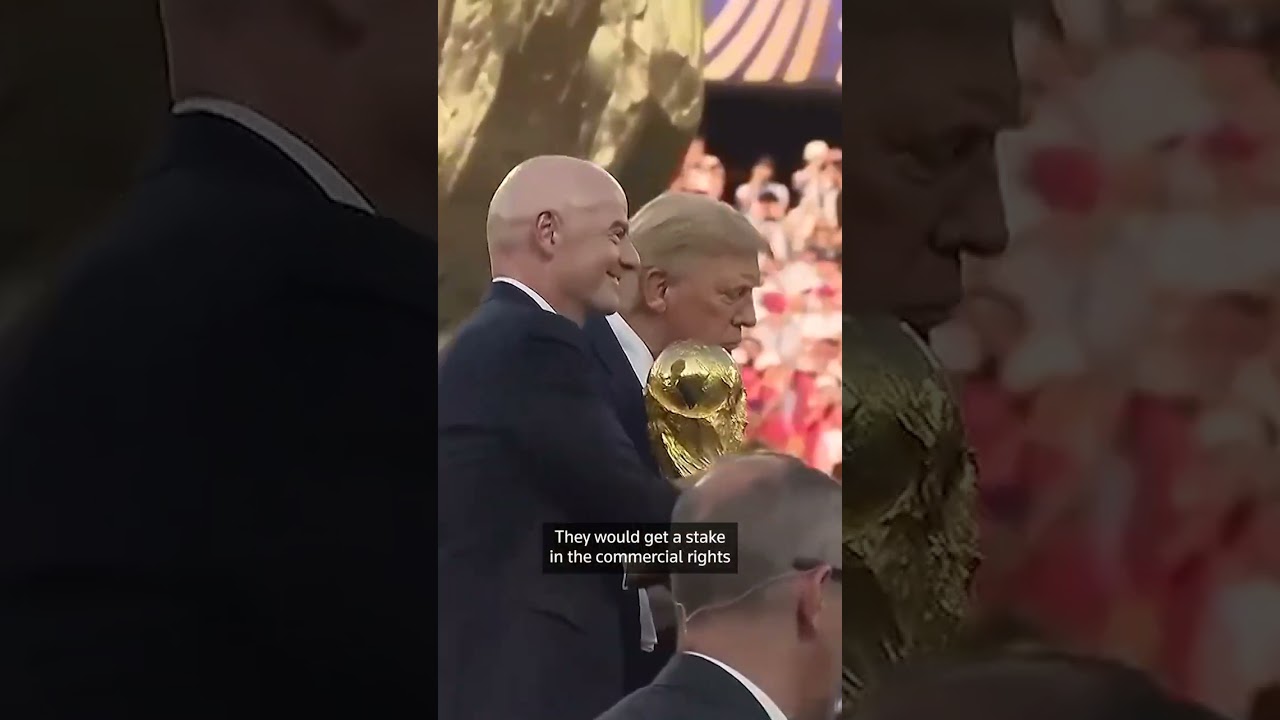
 Reference video
Reference video may not be directly related to the topic of this article
FIFA Proposes Privatization of World Cup Commercial Rights
FIFA's plan to sell World Cup stakes sparks global backlash.
Event Overview
FIFA President Gianni Infantino proposed creating a commercial subsidiary called FIFA Forward Enterprise (FFE) to manage commercial rights for the men's, women's, and Club World Cups. The entity is valued at approximately $20 billion, with plans to sell minority stakes to private investors to raise up to $4.2 billion. FIFA intends to use these funds to increase development funding for its 211 member associations. The proposal has faced strong opposition from major governing bodies, including UEFA and CONCACAF.
Issue Summary
Bias Distribution
Bias Signal Summary
17 articles — 5 signal types detected.
Coverage Tone Distribution
· AlignedRedder = higher bias. Larger area = more outlets. Click an outlet to jump to its position.
AI Analysis
All 3 articles highlight the opposition from governing bodies and the risk of commodifying the sport, showing a pattern of framing the proposal as an unethical exploitation of football, which characterizes the coverage as focused on institutional and ethical backlash. 2 of 9 articles specifically emphasize the betrayal of the sport's spirit and the danger of private profit prioritization, reflecting a pattern of moral condemnation that characterizes the coverage as highly critical of FIFA's motives. Only 1 outlet mentions the specific financial valuation of the entity and the intended distribution of funds to member associations, revealing a pattern of omitting the proposed economic benefits for smaller nations, which represents a substantial missing perspective regarding the potential positive impact on global football development.
Critical coverage dominates with mid-to-high bias intensity.
Related Coverage
Coverage flow
Coverage volume
Focus shift
사건 전개
Recommended Reads
World Cup Boycott Proposed as Opposition to Controversial FIFA Private Investment Plan Grows
variety.com
FIFA Draws Fury Over Plan to Sell Stakes in World Cup
time.com
How to Stop Infantino — Two Ways FIFA's World Cup Plans Can Be Thwarted
Newsweek
Fifa’s sales pitch revealed: more tournaments, more debt … but no mention of women’s game
The Guardian
Eight outlets viewed FIFA's plan as controversial, with four highlighting a power grab linked to political influence, two condemning it as a corrupt betrayal of the sport, and two focusing on the resulting institutional and fan resistance.
The writer intends to frame Infantino's plan as a controversial attempt to commercialize the 'soul' of soccer, emphasizing the backlash from European authorities to make the reader perceive the move as an overreach of power.
The writer intends to frame Fifa's commercial plan as a greedy and dangerous move that prioritizes profit over the integrity of the sport, encouraging the reader to view the proposal as a 'sell-out' of football's heritage.
The writer intends to portray Fifa's commercial strategy as an aggressive, profit-driven scheme that prioritizes financial growth and investor interests over player welfare and gender inclusivity.
The writer intends to frame Infantino's proposal as a secretive, undemocratic power grab that prioritizes private profit and political connections over the integrity of the sport and the consensus of soccer's governing bodies.
The writer intends to frame Infantino's proposal as a greedy, isolated attempt to commercialize the sport against the will of the global football community, leaving the reader with the impression that the plan is widely despised and potentially career-threatening for Infantino.
The writer intends to portray Gianni Infantino as an overreaching, secretive leader whose greed and political alliances have alienated his base and jeopardized his presidency. The reader is expected to view Infantino's actions as a betrayal of the sport's fans and a dangerous exercise in unilateral power.
The writer intends to frame Infantino's proposal not as a benevolent investment plan, but as a controversial power grab that risks fracturing global soccer governance and prioritizing private capital over player welfare and tradition.
Loading comments...