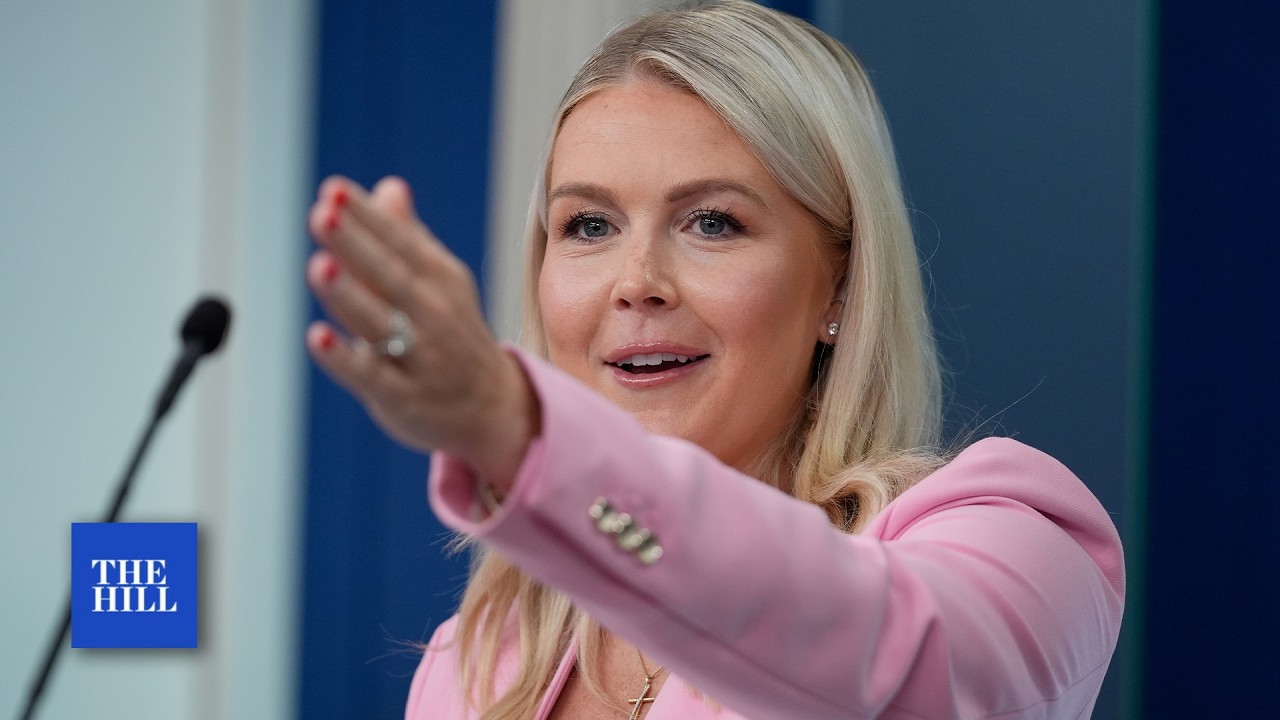
 Reference video
Reference video may not be directly related to the topic of this article
US and Iran Engage in Military Conflict
Military escalation drives global oil prices and US spending.
Event Overview
The United States and Iran are engaged in a military conflict involving reciprocal strikes and threats to critical infrastructure. The US has conducted sustained bombing campaigns and strikes against Iranian targets, while Iran and Houthi forces have targeted shipping in the Red Sea and near Saudi Arabia. The conflict has led to significant US military spending and a surge in global oil prices.
Issue Summary
Bias Distribution
Bias Signal Summary
102 articles — 5 signal types detected.
Coverage Tone Distribution
· ConflictRedder = higher bias. Larger area = more outlets. Click an outlet to jump to its position.
AI Analysis
All 4 outlets report on the Trump administration's strategic approach to the conflict, showing a pattern of conflicting assessments of leadership competence, which characterizes the coverage as a debate over executive decision-making. 2 of 4 articles focus on the financial and strategic failures of the war, revealing a pattern of linking military action to domestic budget depletion and strategic delusion, describing the conflict as an exorbitant venture. Only 1 outlet mentions the Houthi attacks on Saudi oil infrastructure and maritime incidents, indicating a pattern of isolated reporting on non-state actors, which represents a substantial missing perspective regarding the broader regional proxy dynamics.
Critical coverage dominates with mid-to-high intensity bias.
Related Coverage
Related Cards
Coverage flow
Coverage volume
Focus shift
Story timeline
Recommended Reads
Saudi Arabia trades fire with Iran-backed rebels in Yemen
NBC News
Trump Weighs ‘Massive Attack’ as Iran Rejects Cease-Fire Proposal
time.com
Waltz says pause in strikes against Iran is "giving diplomacy some space"
CBS News
Pete Hegseth’s Iran war math doesn’t add up - Salon.com
salon.com
Coverage across 29 outlets is divided, with 11 providing neutral reporting on geopolitical volatility and 13 adopting critical or alarmist tones regarding leadership incompetence and government opacity. Meanwhile, 5 outlets offer a more balanced portrayal of strategic leadership and military readiness.
The writer intends to alert the reader to an escalation of conflict in the Middle East, framing the clashes as a 'new warfront' to instill a sense of expanding regional instability.
The writer intends to present the current military pause as a strategic diplomatic window while simultaneously highlighting the deep divisions within the U.S. government and public regarding the war's efficacy and resource cost.
The writer intends to present Chris Christie's view that Donald Trump's political and diplomatic style has become obsolete and ineffective, leading the reader to perceive Trump as a figure who has lost his influence and the attention of the public.
The writer intends to portray the Pentagon and the Trump administration as deceptive and law-breaking regarding military casualty reporting and congressional authorization, while framing other government agencies (DEA, CPS) as ineffective or flawed.
The writer intends to portray Donald Trump as an incompetent and ego-driven leader whose reckless foreign policy has created a global crisis. The reader is expected to perceive the US administration as a destructive force that prioritizes 'point-scoring' over human lives and global economic stability.
The writer intends to convey a sense of precarious uncertainty, framing the current lull in fighting not as a resolution, but as a volatile 'inflection point' where military force and diplomacy are being used simultaneously to reach an equilibrium.
The writer intends to frame the 'stay the course' approach as a strategic necessity and the 'cut and run' approach as naive or dangerous, positioning Kennedy as a voice of resolve against Democratic perceived weakness.
The writer intends to convey that the immediate risk of escalating conflict has diminished, leading to a market correction in oil prices, while framing the U.S. pause as a strategic necessity due to resource depletion.
The writer intends to convey that the market is currently in a state of volatile transition, where short-term relief from geopolitical tensions is being balanced against systemic risks from AI spending and monetary policy.
The writer intends to portray the current defense leadership as corrupt, fiscally irresponsible, and motivated by personal profit and political optics rather than national security. The reader is expected to view the budget requests as a 'firehose of money' benefiting insiders and a 'military-industrial complex' under the guise of a 'generational investment.'
Loading comments...