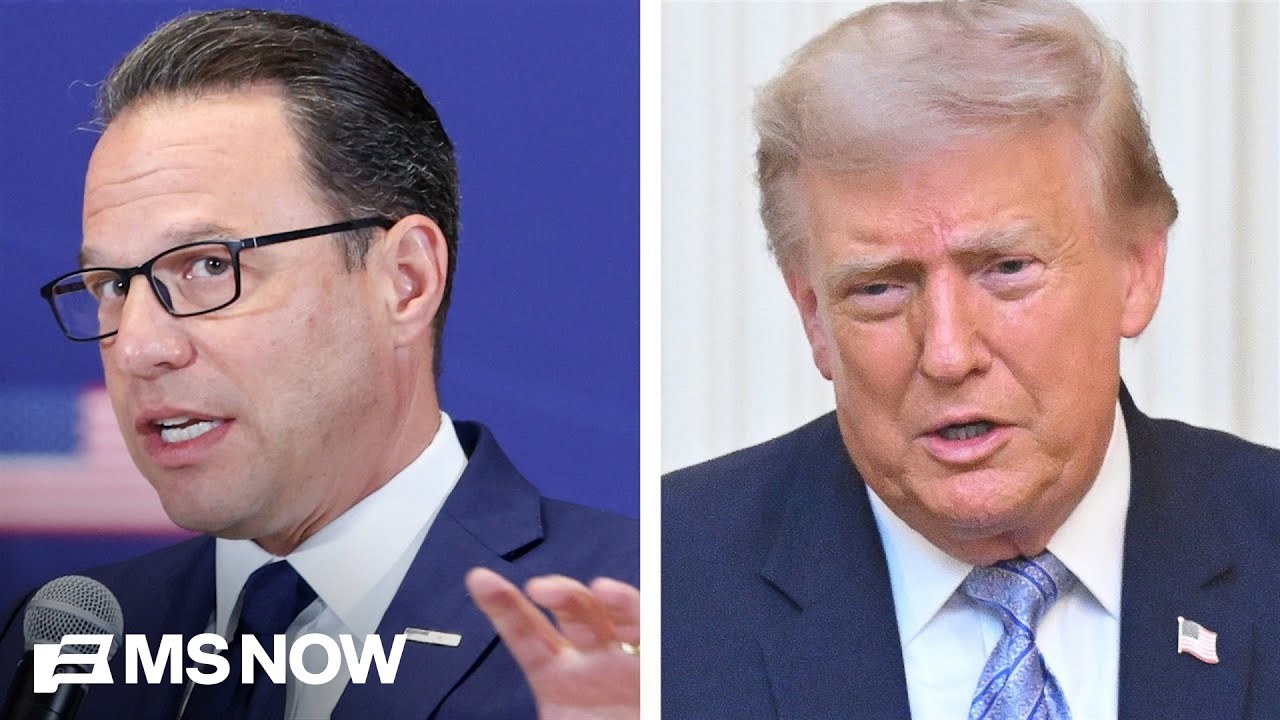
 Reference video
Reference video may not be directly related to the topic of this article
Donald Trump Alleges Election Fraud and Foreign Interference
Trump's fraud claims spark internal GOP and diplomatic tension.
Event Overview
President Donald Trump has claimed that the 2020 election was stolen through conspiracies involving the 'Deep State' and foreign nations, specifically China. He has alleged that China compromised election data and attempted to influence the 2018 and 2020 elections. These claims have led to internal friction within the GOP and diplomatic disputes with the Chinese Foreign Ministry, while election officials from 37 states have rejected the evidence as unfounded.
Issue Summary
Bias Distribution
Bias Signal Summary
29 articles — 7 signal types detected.
Coverage Tone Distribution
· AlignedRedder = higher bias. Larger area = more outlets. Click an outlet to jump to its position.
AI Analysis
Across 2 of 29 articles, the focus on baseless claims and calculated strategies to subvert the election creates a pattern of framing the rhetoric as a dangerous political tool.
In 2 of 29 articles, the emphasis on China's categorical denials and the risk of espionage via student visas establishes a pattern of framing the event as a diplomatic and national security conflict.
Only 1 of 29 articles addresses the specific rejection of evidence by election officials from 37 states, leaving the perspective of state-level administrative verification as a substantial missing perspective.
Related Coverage
Related Cards
Coverage flow
Coverage volume
Focus shift
Story timeline
Recommended Reads
Fact checking Trump's new claims of election interference
CBS News
Live updates: Trump could make election conspiracy theories a focus of his national address
AP News
How Trump’s election integrity speech could affect the Xi Jinping summit
Washington Examiner
Five claims Trump made in primetime address not backed up by evidence
The Guardian
While 11 outlets dismissed Trump's claims as baseless or out of touch and 5 framed his rhetoric as a threat to democracy, 4 other outlets focused on the geopolitical lens, splitting between his transactional approach to China and his role as a courageous leader against the CCP.
The writer intends to frame Donald Trump's rhetoric as deceptive and dangerous to election integrity, leading the reader to view his claims as baseless falsehoods.
The writer intends to frame the discussed political events—specifically Trump's speech and the Vance/Rogan Epstein discourse—as insignificant or lacking substance, guiding the reader to view them as 'nothing-burgers.'
The writer intends to frame Trump's demands as an attack on press freedom and a pattern of intimidation, while reassuring the reader that such threats are legally difficult to execute and that the networks' actions are consistent with past precedents.
The writer intends to frame Trump's speech not as a legitimate political argument, but as a dangerous, delusional precursor to authoritarian action. The reader is expected to feel alarm and urgency regarding the threat Trump poses to the democratic process in the upcoming midterms.
The writer intends to portray Trump as out of touch with his own party's strategic interests and the priorities of the electorate, framing his insistence on discussing election fraud as a liability.
The writer intends to portray a disconnect between Donald Trump's obsession with 2020 election fraud and the pragmatic priorities of Republican candidates who view such claims as a political liability.
The writer intends to portray President Trump's claims of election vulnerabilities as baseless and alarmist, emphasizing that even his own party's election experts find his evidence laughable or outdated.
The writer intends to reassure the reader that the complexity and decentralization of the American electoral system are its primary security strengths, thereby framing Trump's claims of widespread fraud as logically and factually impossible.
The writer intends to portray the current state of Arizona's election administration as fragile and under siege from Trump-aligned figures, suggesting that local administrative disputes are symptoms of a larger, dangerous pattern of federal interference and election denialism.
Loading comments...