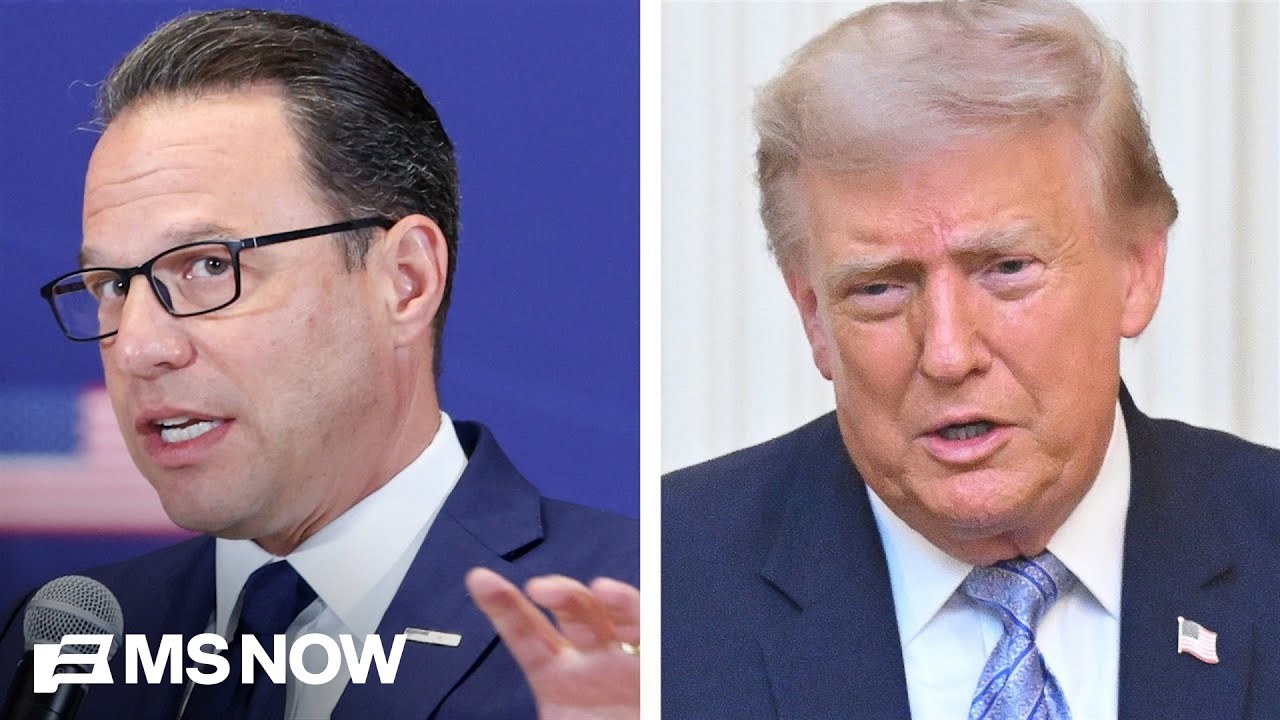
 Reference video
Reference video may not be directly related to the topic of this article
Donald Trump Alleges Election Fraud and Foreign Interference
Trump's fraud claims spark internal GOP and diplomatic tension.
Event Overview
President Donald Trump has claimed that the 2020 election was stolen through conspiracies involving the 'Deep State' and foreign nations, specifically China. He has alleged that China compromised election data and attempted to influence the 2018 and 2020 elections. These claims have led to internal friction within the GOP and diplomatic disputes with the Chinese Foreign Ministry, while election officials from 37 states have rejected the evidence as unfounded.
Issue Summary
Bias Distribution
Bias Signal Summary
29 articles — 7 signal types detected.
Coverage Tone Distribution
· AlignedRedder = higher bias. Larger area = more outlets. Click an outlet to jump to its position.
AI Analysis
Across 2 of 29 articles, the focus on baseless claims and calculated strategies to subvert the election creates a pattern of framing the rhetoric as a dangerous political tool.
In 2 of 29 articles, the emphasis on China's categorical denials and the risk of espionage via student visas establishes a pattern of framing the event as a diplomatic and national security conflict.
Only 1 of 29 articles addresses the specific rejection of evidence by election officials from 37 states, leaving the perspective of state-level administrative verification as a substantial missing perspective.
Related Coverage
Related Cards
Coverage flow
Coverage volume
Focus shift
Story timeline
Recommended Reads
Fact checking Trump's new claims of election interference
CBS News
Live updates: Trump could make election conspiracy theories a focus of his national address
AP News
How Trump’s election integrity speech could affect the Xi Jinping summit
Washington Examiner
Five claims Trump made in primetime address not backed up by evidence
The Guardian
While 11 outlets dismissed Trump's claims as baseless or out of touch and 5 framed his rhetoric as a threat to democracy, 4 other outlets focused on the geopolitical lens, splitting between his transactional approach to China and his role as a courageous leader against the CCP.
The writer intends to portray James Carville as aggressively hostile toward Donald Trump by highlighting his use of extreme language ('literally crazy', 'off his rocker'), potentially framing the Democratic perspective as alarmist or irrational.
The writer intends to frame President Trump's claims of election fraud as baseless and outdated, leading the reader to perceive the President's warnings as alarmist rather than factual.
The writer intends to present China's official denial as a direct response to Trump's claims, framing the situation as a diplomatic clash of narratives while noting the ongoing effort to maintain bilateral relations.
The writer intends to frame Trump's claim as alarmist or misleading by immediately contrasting it with the fact that this data is already public and commercially available.
The writer intends to highlight a rift between Donald Trump's rhetoric regarding election fraud and the priorities of some of his own core supporters, suggesting that his focus on the past is becoming a liability or a 'shtick' that alienates voters.
The writer intends to portray President Trump as a desperate leader whose systematic attempts to undermine democratic processes are failing, thereby encouraging the reader to view his rhetoric as a sign of weakness and the act of voting as the primary solution.
The writer intends to frame the Trump administration's actions as a baseless, partisan attempt to undermine public confidence in election security and intimidate state officials for political gain.
The writer intends to frame the president's address as a dangerous exercise in spreading unproven conspiracy theories and misinformation, intending for the reader to perceive the speech as a pretext to undermine future democratic elections.
The writer intends to position the network as an objective arbiter of truth by framing Trump's claims as allegations that require 'fact-checking' rather than established facts.
The writer intends to present a balanced report of a diplomatic clash, framing the situation as a reciprocal exchange of accusations and restrictive policies between the U.S. and China.
Loading comments...