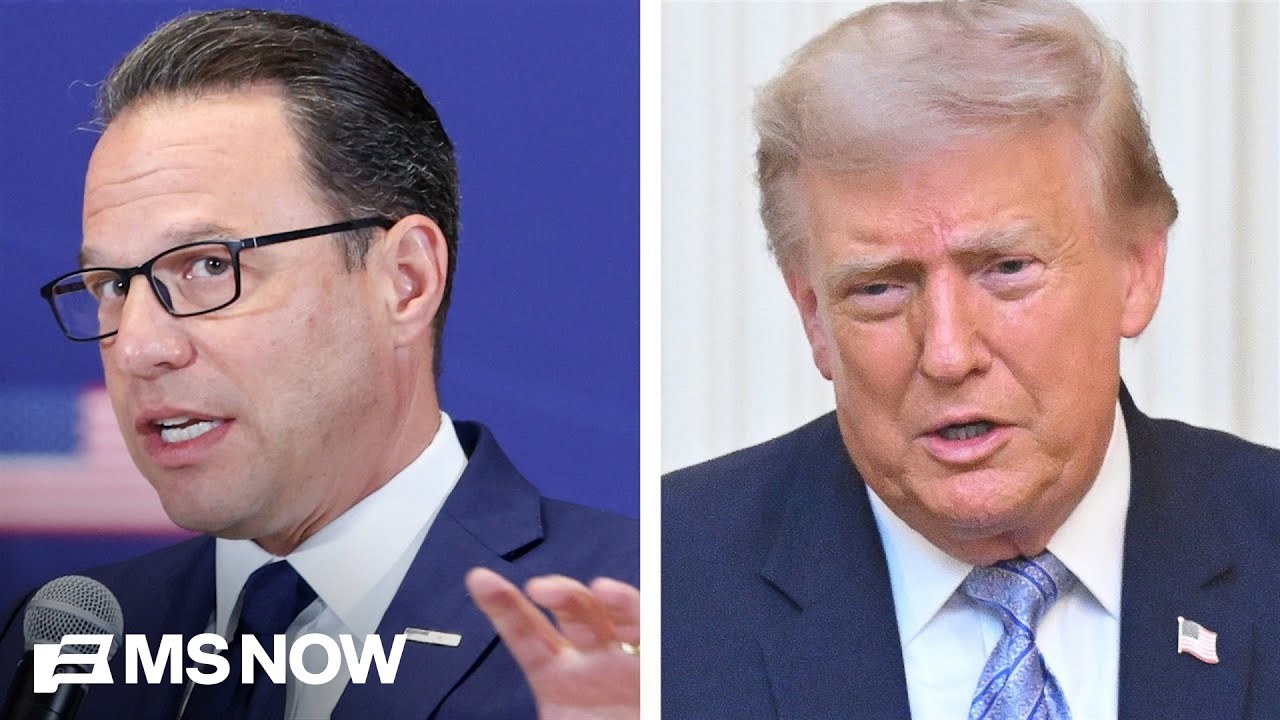
 Reference video
Reference video may not be directly related to the topic of this article
Donald Trump Alleges Election Fraud and Foreign Interference
Trump's fraud claims spark internal GOP and diplomatic tension.
Event Overview
President Donald Trump has claimed that the 2020 election was stolen through conspiracies involving the 'Deep State' and foreign nations, specifically China. He has alleged that China compromised election data and attempted to influence the 2018 and 2020 elections. These claims have led to internal friction within the GOP and diplomatic disputes with the Chinese Foreign Ministry, while election officials from 37 states have rejected the evidence as unfounded.
Issue Summary
Bias Distribution
Bias Signal Summary
29 articles — 7 signal types detected.
Coverage Tone Distribution
· AlignedRedder = higher bias. Larger area = more outlets. Click an outlet to jump to its position.
AI Analysis
Across 2 of 29 articles, the focus on baseless claims and calculated strategies to subvert the election creates a pattern of framing the rhetoric as a dangerous political tool.
In 2 of 29 articles, the emphasis on China's categorical denials and the risk of espionage via student visas establishes a pattern of framing the event as a diplomatic and national security conflict.
Only 1 of 29 articles addresses the specific rejection of evidence by election officials from 37 states, leaving the perspective of state-level administrative verification as a substantial missing perspective.
Related Coverage
Related Cards
Coverage flow
Coverage volume
Focus shift
Story timeline
Recommended Reads
Fact checking Trump's new claims of election interference
CBS News
Live updates: Trump could make election conspiracy theories a focus of his national address
AP News
How Trump’s election integrity speech could affect the Xi Jinping summit
Washington Examiner
Five claims Trump made in primetime address not backed up by evidence
The Guardian
While 11 outlets dismissed Trump's claims as baseless or out of touch and 5 framed his rhetoric as a threat to democracy, 4 other outlets focused on the geopolitical lens, splitting between his transactional approach to China and his role as a courageous leader against the CCP.
The writer intends to signal to the reader that the President's claims are subject to verification and may be inaccurate, positioning CBS News as an objective arbiter of truth.
The writer intends to convince the reader that allowing large numbers of Chinese students into the U.S. is a dangerous security risk that rewards a hostile adversary. The goal is to frame the current visa policy as an absurdity in the face of alleged election interference and espionage.
The writer intends to frame President Trump as a courageous leader who exposed hidden threats from the CCP and a complicit intelligence apparatus, thereby urging the reader to view the CCP as an existential threat to American sovereignty.
The writer intends to convey that while Trump's rhetoric is provocative and dismissed by China, it is a manageable element of a larger, transactional relationship that will not prevent high-level diplomatic engagement.
The writer intends to portray Donald Trump as a purveyor of misinformation by systematically debunking his claims with evidence and expert testimony, leading the reader to view his assertions as baseless or misleading.
The writer intends to convince the reader that Trump's focus on election security is a strategic blunder that ignores the public's actual priorities, thereby risking the GOP's electoral success.
The writer intends to frame President Trump's claims about election integrity as unsubstantiated and destabilizing, while presenting the Democratic primary in Wisconsin as chaotic and unstable.
The writer intends to debunk Donald Trump's claims of election interference by contrasting his rhetoric with factual intelligence reports and expert testimony, leading the reader to perceive Trump's arguments as misleading and unsupported by evidence.
The writer intends to frame Trump's claims of election interference as contradictory and self-defeating by juxtaposing his rhetoric with the factual reduction of election security resources (CISA) and the dissent of his own party members.
The writer intends to debunk the alarmist nature of Trump's claim by demonstrating that the 'stolen' data is largely public information, thereby framing the claim as an exaggeration or a misunderstanding of how voter rolls work.
Loading comments...