 Reference video
Reference video may not be directly related to the topic of this article
Taylor Farms Recalls Iceberg Lettuce Amid Cyclospora Outbreak
Widespread parasite outbreak linked to contaminated lettuce.
Event Overview
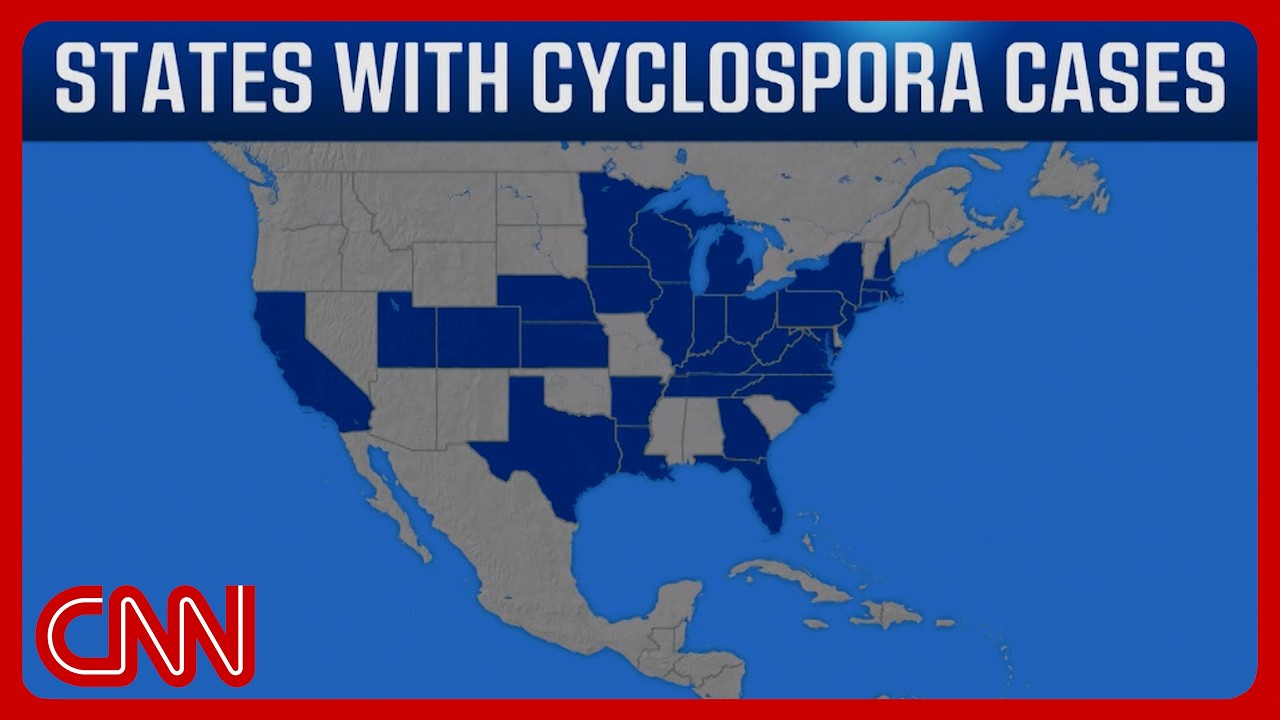
A major cyclosporiasis outbreak linked to pre-shredded iceberg lettuce from central Mexico has affected numerous US states, with Michigan reporting the highest number of cases. Taylor Farms de Mexico issued a voluntary recall of the product, which was used at some Taco Bell restaurants and the Cheshire Medical Center cafeteria. The CDC and FDA are investigating the outbreak, though the FDA later retracted an initial positive test result as a false positive.
Issue Summary
Bias Distribution
Bias Signal Summary
46 articles — 5 signal types detected.
Coverage Tone Distribution
· ConflictRedder = higher bias. Larger area = more outlets. Click an outlet to jump to its position.
AI Analysis
Across 27 articles, the reporting follows these patterns:
Time Mag's focus on identifying health risks and imported produce risks leads to a pattern of consumer-centric guidance, characterizing the coverage as a public health advisory. CBS's emphasis on market hesitation and declining foot traffic creates a pattern of financial analysis, characterizing the coverage as an economic impact assessment. Only 1 outlet, Forbes, addresses the fragility of global public health infrastructure and domestic under-resourcing, revealing a substantial missing perspective regarding the systemic failure of health systems.
The overall balance is neutral with mid-level bias intensity.
Related Coverage
Coverage flow
Coverage volume
Focus shift
사건 전개
Recommended Reads
The best electrolyte drinks for diarrhea as cyclosporiasis cases rise - USA Today
USA Today
Confusing product recall adds to US cyclospora outbreak uncertainty
The Guardian
Can You Die From Cyclospora? Chances of Hospitalization
Newsweek
Here is how cyclospora outbreak is affecting businesses
CBS News
Coverage across the 17 outlets was split between informational reporting on health risks (6) and critiques of government incompetence and systemic dysfunction (5), while the remainder focused on economic impacts (4) or calls for public health reform (2).
The writer intends to convey that while there are signs of a slowdown in some areas, the outbreak is complex and potentially ongoing due to multiple contaminated sources and systemic failures in the U.S. public health infrastructure.
The writer intends to convey that the current public health response to the outbreak is dysfunctional and confusing, leaving the public vulnerable and forced to rely on outside experts for clear guidance.
The writer intends to reassure the reader that fresh produce remains beneficial and generally safe, provided they adopt specific hygiene habits and cautious selection strategies, thereby preventing panic-driven dietary changes.
The writer intends to alert the reader to a growing public health threat by linking the rise in measles cases directly to declining vaccination rates, thereby instilling a sense of urgency regarding immunization.
The writer intends to shift the reader's perception of measles from a remote medical issue affecting only the unvaccinated to a systemic economic and societal burden. By framing public health as 'infrastructure' and outbreaks as a 'hidden tax,' the writer seeks to persuade the reader—including those fiscally conservative or already vaccinated—that maintaining high vaccination rates and public health funding is a pragmatic economic necessity.
The writer intends to alarm the reader about the return of a dangerous disease by framing the current lack of vaccination as a dangerous form of complacency born from past success.
The writer intends to portray the Trump administration as incompetent and potentially corrupt in its handling of a public health crisis, intending to instill a sense of alarm in the reader regarding the erosion of trust in government health institutions.
The writer intends to reassure parents that the long-term health benefits of fruits and vegetables far outweigh the temporary risks of a parasite outbreak, encouraging a consistent, lifelong approach to nutrition over fear-based avoidance.
The writer intends to portray the government's handling of the outbreak as incompetent and contradictory, leaving citizens feeling vulnerable, anxious, and distrustful of official health guidance.
The writer intends to inform the public about the widening geographic scope of a foodborne illness outbreak to ensure awareness and caution regarding the contaminated product.
Loading comments...