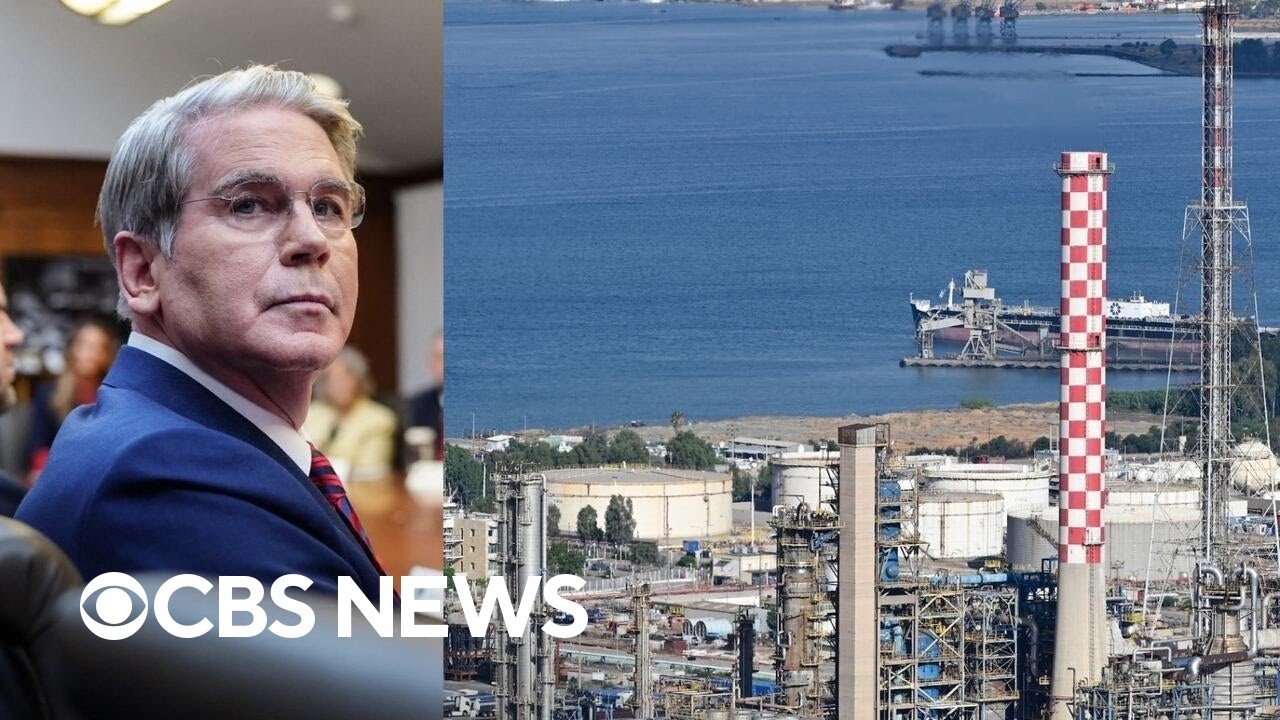
 Reference video
Reference video may not be directly related to the topic of this article
Trump Signals Potential Deal to Reopen Strait of Hormuz
Global oil flow depends on a precarious U.S.-Iran deal.
Event Overview
President Donald Trump indicated a deal to reopen the Strait of Hormuz could be reached following negotiations between Iran and Oman. Proposed terms include an interim 60-day agreement where ships enter via an Iranian-coordinated route and exit via an Omani-coordinated route. While the Trump administration signals progress, Iran has officially denied that a deal was reached, labeling the claims as psychological warfare. The situation is further complicated by ongoing shipping attacks and U.S. opposition to Iranian control or tolls in the waterway.
Issue Summary
Bias Distribution
Bias Signal Summary
6 articles — 3 signal types detected.
Coverage Tone Distribution
· ConflictRedder = higher bias. Larger area = more outlets. Click an outlet to jump to its position.
AI Analysis
All 6 articles report on the Trump administration's signals regarding a deal to reopen the Strait of Hormuz, creating a pattern of focus on U.S.-led diplomatic progress and the proposed Iranian-Omani coordination. 2 of 6 articles highlight the contradiction between U.S. optimism and Iran's official denial, establishing a pattern of diplomatic volatility. Only 1 outlet addresses the specific impact of ongoing shipping attacks on the feasibility of the deal, revealing a substantial missing perspective regarding the immediate security risks to maritime commerce.
Critical coverage is slightly more prevalent than supportive views, with a moderate to high intensity of bias.
Related Coverage
관련카드
Coverage flow
Coverage volume
Focus shift
사건 전개
Recommended Reads
Live Updates: Trump says Strait of Hormuz deal could happen today or tomorrow amid Iran-Oman talks - CBS News
CBS News
Trump says deal to reopen the Strait of Hormuz could come as early as Wednesday - AP News
AP News
Trump appears ready to accept Iran’s deal with Oman to open Strait of Hormuz as his own
Washington Examiner
Trump Says Deal To Reopen Strait Of Hormuz Could Come As Early As Wednesday
HuffPost
Analysis across five outlets is split between those highlighting the gap between diplomatic rhetoric and reality (2), those focusing on strategic contradictions and market decoupling (2), and one outlet strongly endorsing 'maximum pressure' as the key to diplomatic success.
The writer intends to present a juxtaposition between the optimistic diplomatic rhetoric of the Trump administration regarding a waterway deal and the precarious reality of depleted U.S. military munitions, suggesting a hidden pressure to reach an agreement.
The writer intends to portray Trump's approach to the Strait of Hormuz as a pragmatic attempt to avoid war, while simultaneously highlighting the contradiction between Trump's claims of 'wonderful discussions' and the lack of evidence or Iranian confirmation.
The writer intends to present a precarious diplomatic situation where the hope for economic relief via a maritime deal is contrasted with ongoing military volatility and fundamental disagreements over sovereignty and control.
The writer intends to present a state of volatile uncertainty where diplomatic hopes for economic relief are contrasted with ongoing military aggression and fundamental disagreements over sovereignty and control of the waterway.
The writer intends to highlight the divergence in market reactions between traditional commodities and cryptocurrency, suggesting that Bitcoin has become decoupled from geopolitical volatility that typically drives oil prices.
The writer intends to portray President Trump's 'maximum pressure' strategy—combining threats of overwhelming military force with diplomatic openings—as the sole reason for Iran's willingness to negotiate.
Loading comments...