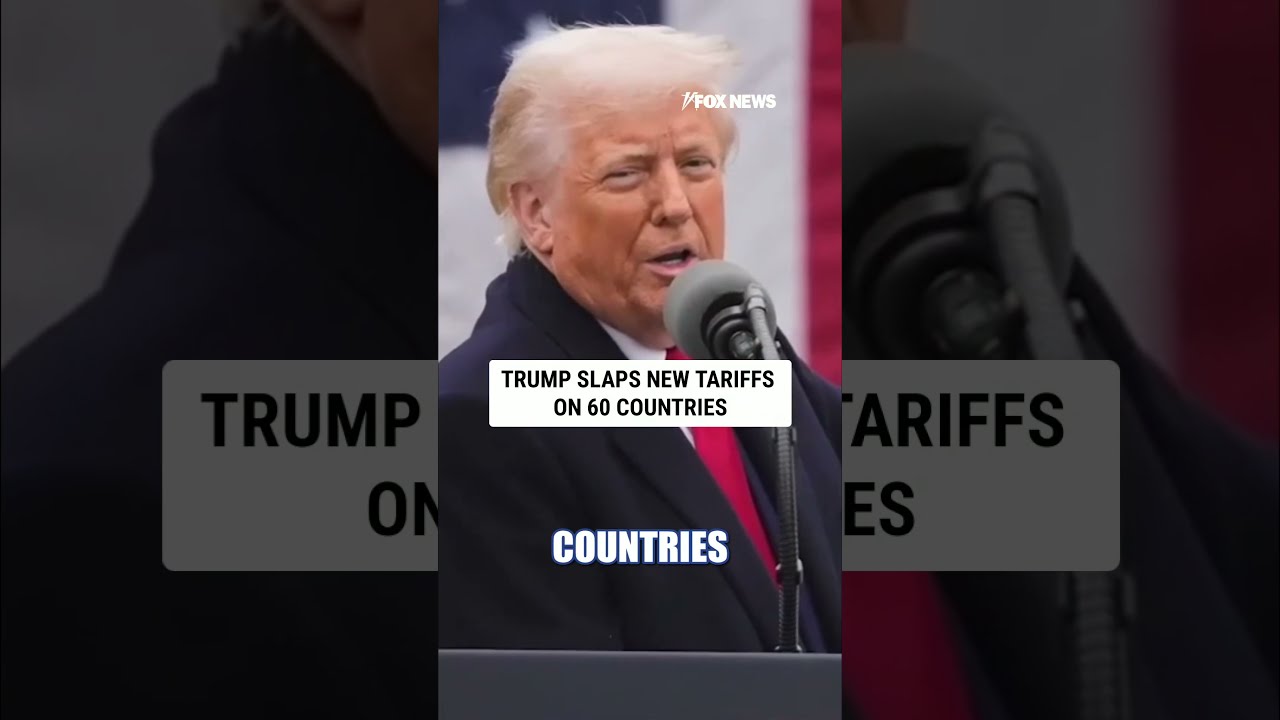
 Reference video
Reference video may not be directly related to the topic of this article
Trump Administration Imposes Forced-Labor Tariffs
New tariffs on dozens of nations impact US consumers.
Event Overview
The Trump Administration has implemented new tariffs ranging from 10% to 12.5% on 60 to over 80 trading partners. These measures, enacted under Section 301 of the Trade Act of 1974, replace previous temporary 10% levies and cite the failure of affected economies to ban imports produced with forced labor. The administration frames the move as a human rights initiative, while critics argue it is a legal workaround to bypass Supreme Court restrictions on presidential taxing authority.
Issue Summary
Bias Distribution
Bias Signal Summary
10 articles — 5 signal types detected.
Coverage Tone Distribution
· AlignedRedder = higher bias. Larger area = more outlets. Click an outlet to jump to its position.
AI Analysis
Across 4 of 10 articles, the focus remains on the legal mechanisms of Section 301 and the circumvention of Supreme Court rulings, showing a pattern of legal scrutiny that characterizes the coverage as a critique of executive authority. In 3 of 10 articles, the narrative emphasizes the economic burden on American consumers and households, establishing a pattern of domestic financial concern that defines the coverage as focused on internal economic fallout. Despite the administration's framing of the tariffs as a human rights initiative, 0 of 10 articles provide detailed analysis or verification of the forced labor conditions in the affected trading partners, revealing a substantial missing perspective regarding the actual humanitarian justifications.
Critical coverage dominates with mid to very high bias intensity.
Related Coverage
Related Cards
Coverage flow
Coverage volume
Focus shift
Story timeline
Recommended Reads
Why Trump's new tariff blitz is very different this time round
cnbc.com
Trump’s New Tariffs on Over 80 Countries, Explained
time.com
Fresh wave of U.S. tariffs takes effect, hitting global trade partners
NBC News
Tariffs are Trump’s favorite plaything – and his justifications are absurd | Steven Greenhouse
The Guardian
Coverage across the eight outlets was split between those framing tariffs as strategic legal workarounds (3), those analyzing structural economic risks and consumer costs (2), and those portraying the policies as erratic and damaging (2), while one outlet focused on objectively questioning their efficacy.
The writer intends to convey that the current tariff push is not a temporary negotiating tactic but a strategic, legally fortified shift toward permanent protectionism that poses a structural risk to global economic growth.
The writer intends to frame the new tariffs as a strategic workaround to legal restrictions rather than a purely humanitarian effort, encouraging the reader to view the policy as legally precarious and economically contentious.
The writer intends to present the BBC as an objective analyzer of economic policy, prompting the reader to question the actual efficacy and cost of the administration's tariff strategy.
The writer intends to portray Donald Trump as an erratic and insincere leader whose tariff policies are economically damaging and logically bankrupt, leading the reader to view these actions as desperate political distractions rather than legitimate economic strategy.
The writer intends to present the new tariffs as a strategic legal pivot by the administration to bypass previous court restrictions, while highlighting the tension between U.S. justifications and the strong denials from global partners.
The writer intends to alert the reader to a new economic policy and signal that there will be consequences for the average consumer, framing the tariffs as a point of concern for the public.
The writer intends to frame Trump's trade policy as a source of ongoing economic strain, leading the reader to perceive the tariffs as detrimental to the U.S. economy.
The writer intends to portray the Trump Administration's forced labor tariffs as a contentious and potentially pretextual tool for protectionism, emphasizing the widespread international backlash and skepticism regarding the 'forced labor' justification.
The writer intends to frame the new tariffs not as a humanitarian effort against forced labor, but as a legal workaround to revive previously illegal global tariffs, thereby warning the reader of impending price hikes and fiscal shortfalls.
The writer intends to frame Trump's tariff policy as an obsessive and damaging economic strategy that prioritizes government revenue and political leverage over the financial well-being of American citizens and global economic stability.
Loading comments...